 Follow Us on Google News
 Follow Us on Google Discover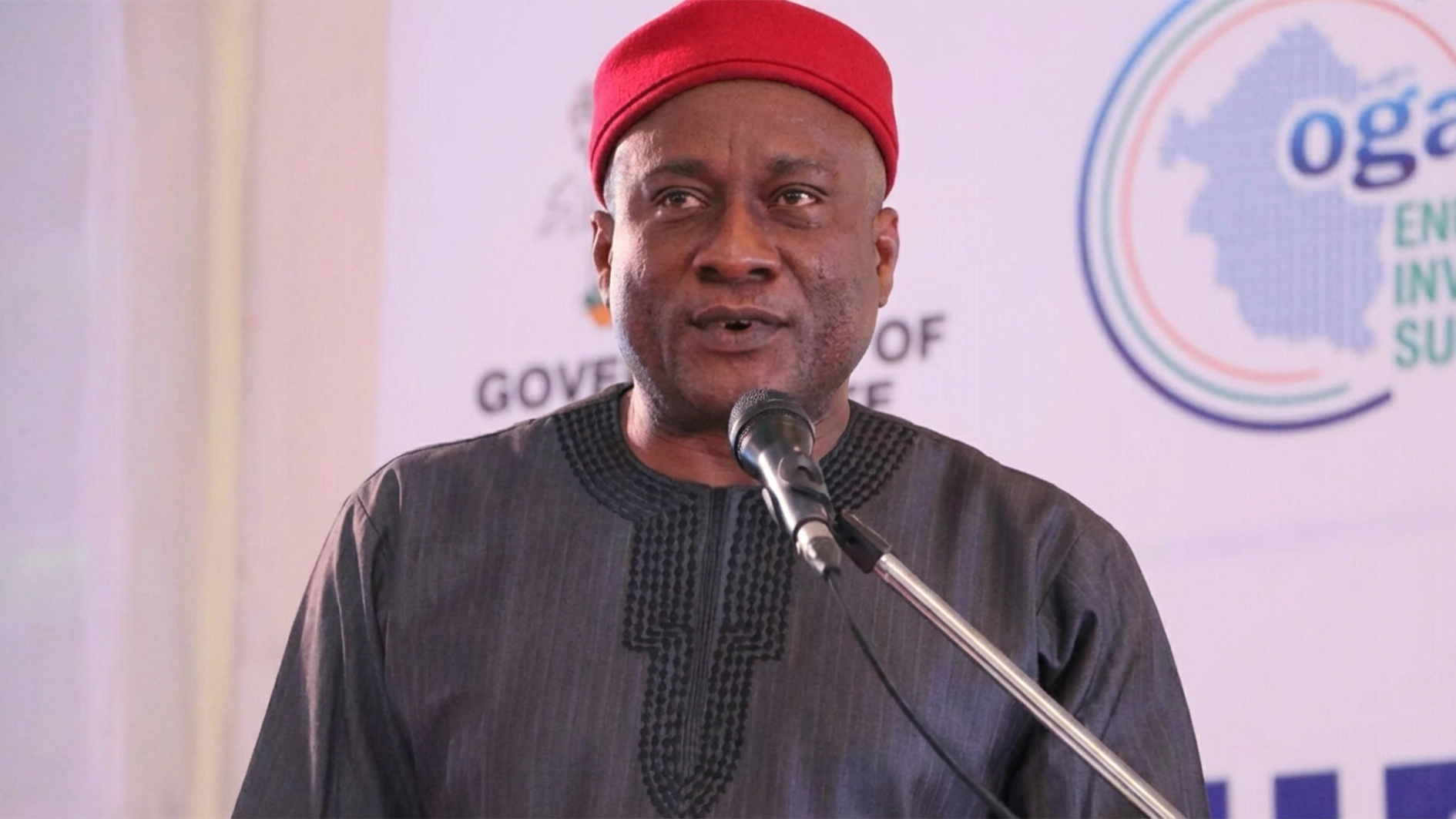
The Chairman of Air Peace, Allen Onyema, has raised concerns that Nigeria’s growing burden of aviation taxes, levies and regulatory charges was threatening the survival of domestic airlines and negatively impacting the economic benefits the sector could generate for the country.
Onyema specially said that the government should stop viewing airlines as sources of immediate revenue and instead treat aviation as a strategic economic catalyst capable of generating substantially greater revenues indirectly through tourism, trade, employment and wider economic activities.
He made the statement yesterday at the 30th annual conference of the League of Airport and Aviation Correspondents (LAAC) with the theme: ‘Towards a Sustainable Aviation Industry: Balancing Government Revenue Demands with Sector Growth.’
Onyema also advocated a comprehensive review and harmonisation of taxes and charges imposed on airlines and other aviation operators.
According to him, the Nigerian aviation industry contributes about $2.5 billion yearly to the economy and sustains more than 217,000 jobs, making it too important to be subjected to a taxation regime that could weaken its operators.
He said while the government had legitimate reasons to collect taxes and fees to fund public infrastructure, safety, regulation and other essential services, excessive charges could ultimately become counterproductive by raising airfares, depressing passenger traffic and pushing airlines towards financial distress.

He said: “You don’t use airlines per se to raise revenue for the nation. Airlines are not used to raise revenue directly, but indirectly. They energise the ecosystem for the government to make money through tourism, economic integration and so many other things.
“Airlines bring those things to bear indirectly. But taxing airlines directly to raise revenue for the government can threaten their existence.”
Quoting industry estimates, Onyema said airlines contend with about 54 different taxes, fees and charges administered by major government agencies, including the Nigeria Civil Aviation Authority (NCAA), Federal Airports Authority of Nigeria (FAAN), Nigerian Airspace Management Agency (NAMA) and the Nigeria Revenue Service (NRS).
He regretted that airlines bear several other aeronautical and non-aeronautical costs covering airport, airspace, regulatory, licensing, cargo and other services.
He also mentioned six major charges directly built into tickets, which are Passenger Service Charge (PSC), Common User Terminal Equipment (CUT )fee, Passenger Terminal Facility Charge, the five per cent Ticket Sales Charge (TSC), five per cent Excess Baggage Charge and the $20 security levy.
He added that the NCAA also introduced an $11.50 Advanced Passenger Information System (APIS) levy in December 2025.
He said the five per cent TSC, in particular, should be scrapped and replaced with a fixed unit charge per ticket, arguing that the present percentage-based system was unsustainable in an environment where airlines were already grappling with high fuel prices and multiple statutory charges.
Onyema added that businesses and government institutions, which had provided relatively stable patronage for domestic airlines, had also reduced travel budgets, with many organisations replacing physical trips with virtual meetings.
Also, the Chairman of the occasion, Dr Wale Babalakin warned that lack of policy consistency, contractual certainty and trust between government and private investors could affect long-term investment in Nigeria’s aviation industry.
Babalakin who was represented at the occasion by the Chief Operating Officer (COO), BASL, said government revenue and aviation industry growth should not be treated as competing objectives.
He argued that a thriving aviation sector would ultimately provide government with a stronger and more sustainable revenue base than a system focused primarily on extracting immediate revenue from airlines and airport operators.
He said the lesson from the Murtala Muhammed Airport Two (MMA2), Lagos experience was that airport concessions should not merely transfer responsibility from government to private operators, but should create sustainable economic models that benefit all stakeholders.
He said: “A concession must go beyond the transfer of responsibility. It should create a sustainable economic model that delivers value to the government through revenue and infrastructure, to the investor through commercial viability, and to the travelling public through improved service, safety, efficiency and convenience.”
Babalakin stressed that long-term aviation infrastructure investment could only be sustained where investors had confidence in government policies and contractual commitments.
He maintained that Nigeria had the market, human resources and economic potential to build a stronger aviation industry, but needed the right policy framework to unlock the opportunities.
He maintained that airports had significant opportunities to generate revenue through cargo, retail, hospitality, parking, advertising, property development and other commercial activities.

