 Follow Us on Google News
 Follow Us on Google Discover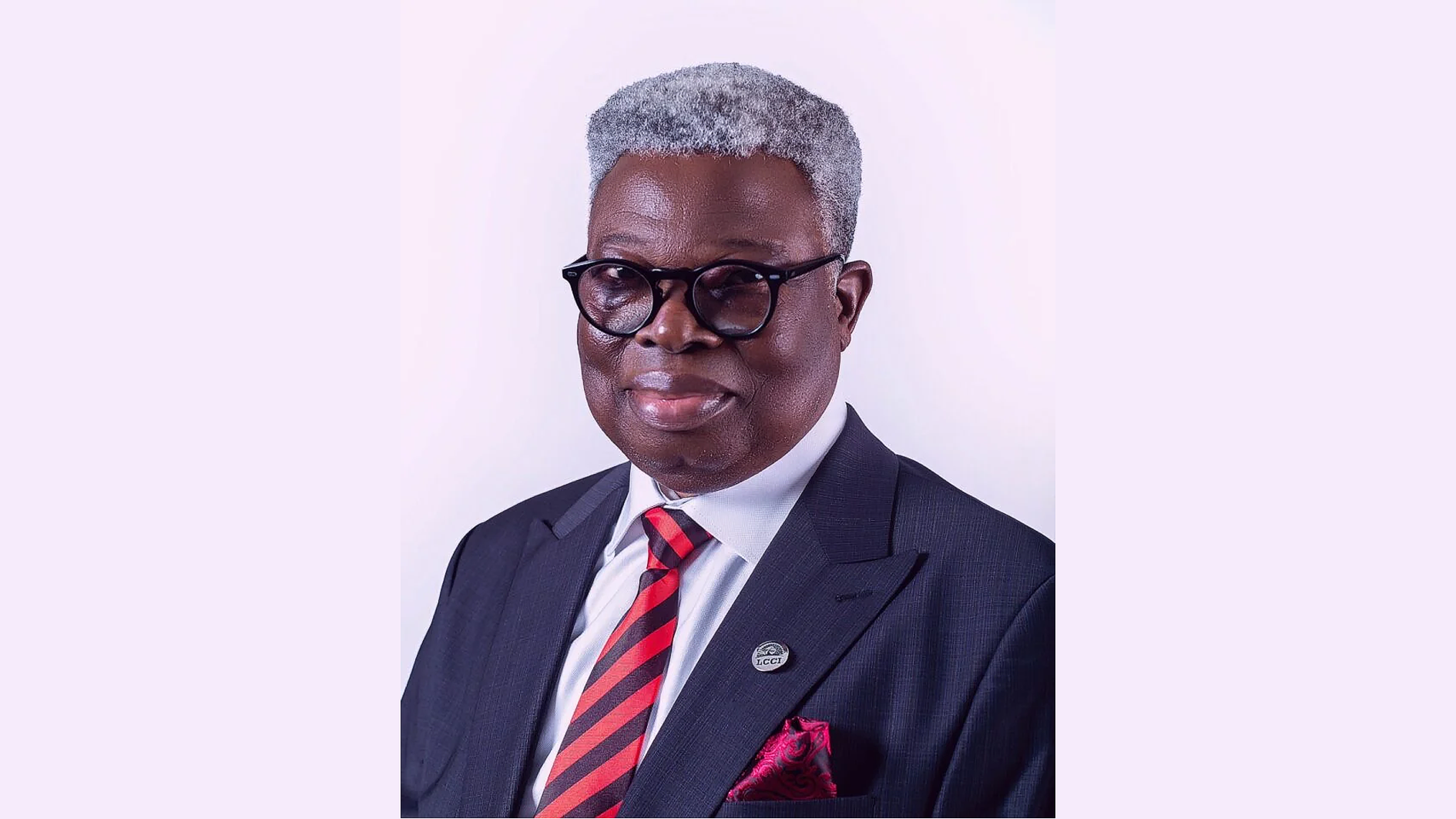
Industry stakeholders have urged the Federal Government to broaden Nigeria’s tax base and improve compliance rather than continually increasing the burden on existing taxpayers and businesses.
They warned that excessive taxation of formal businesses could weaken their capacity to invest, create jobs, expand production and compete internationally, even as the government seeks to boost revenue.
The stakeholders spoke at the Lagos Chamber of Commerce and Industry–Organised Private Sector (LCCI-OPS) Stakeholders’ Forum on Emerging Tax Matters in Nigeria, held in Lagos.
LCCI President, Leye Kupoluyi, said expanding the tax base, improving compliance and reducing revenue leakages offered a more sustainable path to higher revenue.
Kupoluyi, represented by Olajumoke Fashanu, said the forum, coming six months after the new tax regime took effect on January 1, 2026, provided an opportunity to assess its implementation and businesses’ experiences.
He said the four laws underpinning the reforms were intended to simplify the tax system, harmonise administration, improve compliance, modernise revenue collection and broaden the revenue base.

He stressed the need for tax certainty, warning that frequent changes in tax rules, delayed regulations and divergent interpretations by tax authorities could undermine investment decisions.
He said the success of the reforms should be measured by whether compliance had become easier, compliance costs had been reduced, the tax base had expanded, voluntary compliance had improved, and disputes had declined.
Kupoluyi urged the government to “broaden the base, improve compliance, reduce leakages, use technology intelligently, strengthen enforcement against evasion” and simplify compliance.
He also called for the protection of the productive capacity of compliant businesses, saying revenue mobilisation and economic growth should not be treated as competing objectives.
Meanwhile, Partner at PricewaterhouseCoopers (PwC), Emeka Chime, said the reforms had streamlined Nigeria’s income tax regime and introduced a 15 per cent minimum tax for certain companies in line with global developments.
Presenting PwC’s six-month assessment survey, Implementation of Tax Reforms: Key Findings and Recommendations, Chime said tax incentives were also being rationalised with greater scrutiny of their economic benefits.
He said the highest personal income tax rate was now 25 per cent for individuals earning N60 million or more annually, describing the change as one of the positive aspects of the reforms.
He, however, said the rapid rollout of the laws gave taxpayers limited preparation time and created uncertainty over some provisions and potential liabilities.
The survey, which covered 232 respondents, found broad support for consolidation, fairness and digitalisation, although administrative challenges remained.
Chime said 39 per cent of respondents believed transparency in tax collection had improved, while 41.5 per cent agreed that tax laws were clearer and easier to understand.
Digital platforms, including TaxPro Max and Web360, were also viewed positively for their ability to improve filing and compliance.
However, businesses remained concerned about VAT destination rules, coordination between federal and state tax authorities and the lack of clear administrative guidelines.
Chime said 40.9 per cent of businesses reported a positive cash-flow impact from the reforms, while 54.5 per cent reported no effect and 4.5 per cent a negative impact.
He urged the government to prioritise taxpayer education, simplify the laws and issue consistent guidelines, particularly on capital gains tax.
Executive Chairman, Lagos State Internal Revenue Service (LIRS), Dr Hamzat Ayodele Subair, said the reforms could only succeed if taxpayers understood the changes, complied with them and trusted the administration.
Subair, represented by Director of Tax Audit, LIRS, Foluso Mustapha, said the new regime had placed greater emphasis on simplification, digitalisation, data integration, transparency, harmonisation and voluntary compliance.
He disclosed that Lagos tax collections rose by 29 per cent in H1 2026 year-on-year, while PAYE collections increased by 36 per cent and other revenue lines by 15 per cent.
However, he said the agency’s assessment showed that 54 per cent of taxpayers who paid in the 2025 Year of Assessment had not, and would not, pay in 2026, while 44 per cent were expected to pay less than they did in 2025.
He said taxpayer education, clear processes and effective dispute resolution remained critical to improving compliance.
Also, the Institute of Chartered Accountants of Nigeria (ICAN) Second Deputy Vice President, Tajudeen Adewale, said revenue mobilisation must go hand in hand with economic growth and voluntary compliance.
He said a sustainable tax base was better achieved by growing and formalising the economy than by continually increasing the burden on existing taxpayers.
Adewale said uncertainty in implementing the new regime remained a major concern for businesses seeking predictability in pricing, contracts, investments and tax projections.
He recommended that tax commissions and transition arrangements be expressly stated in legislation.
He also urged the proposed Finance Bill 2027 to consolidate and clarify existing reforms rather than introduce further complexity.
The Chartered Institute of Taxation of Nigeria (CITN) Deputy Vice President, Dr. Titilayo Enitan Fowokan, who represented the Chairman, Innocent Ohagwa, urged tax authorities to consider genuine errors, differences in interpretation and technical challenges when enforcing the new regime.
She said it was too early to pass a definitive judgment on the reforms, barely seven months into implementation, as taxpayers and professionals were still adapting to emerging guidelines and regulations.

