 Follow Us on Google News
 Follow Us on Google Discover
For Nigerians struggling to keep pace with the rising cost of food, transport, energy, rent and other necessities, the significance of the new fiscal-monetary policy agreement will be measured by what happens to inflation and the cost of living in the coming months, COLLINS OLAYINKA reports.
The memorandum of understanding (MoU) between the Federal Ministry of Finance and the Central Bank of Nigeria (CBN) may signal closer ties aimed at achieving economic stability. Still, concerns remain that reaching the desired destination requires more than a mere exchange of documents.
The agreement aims to strengthen coordination on government borrowing, liquidity, cash management, inflation, debt and broader economic policy. Its underlying proposition is that Nigeria cannot sustainably tackle inflation when fiscal and monetary policies move in different directions.
Minister of Finance and Coordinating Minister of the Economy, Taiwo Oyedele, put it bluntly, saying, “fiscal policy must play its part”.
For households, the argument matters because much of the pressure they face comes from factors beyond the reach of interest-rate policy.
Inflation is felt in the shrinking food basket, rising transport fares and the increasing share of household income required for rent, healthcare and education.

Oyedele noted that Nigeria’s inflation has structural components, including food, imported goods, energy and logistics pressures that monetary policy alone cannot resolve.
He added that a higher policy rate cannot produce more food, repair a rural road or reduce the cost of transporting farm produce to urban markets.
He argued that the focus must be on stronger grain reserves, improved seeds and yields, irrigation, farming infrastructure and better roads.
The objective of the pact is to complement monetary efforts to control demand with measures that increase supply and reduce production and distribution costs.
He admitted that the CBN’s role is important in this mix.
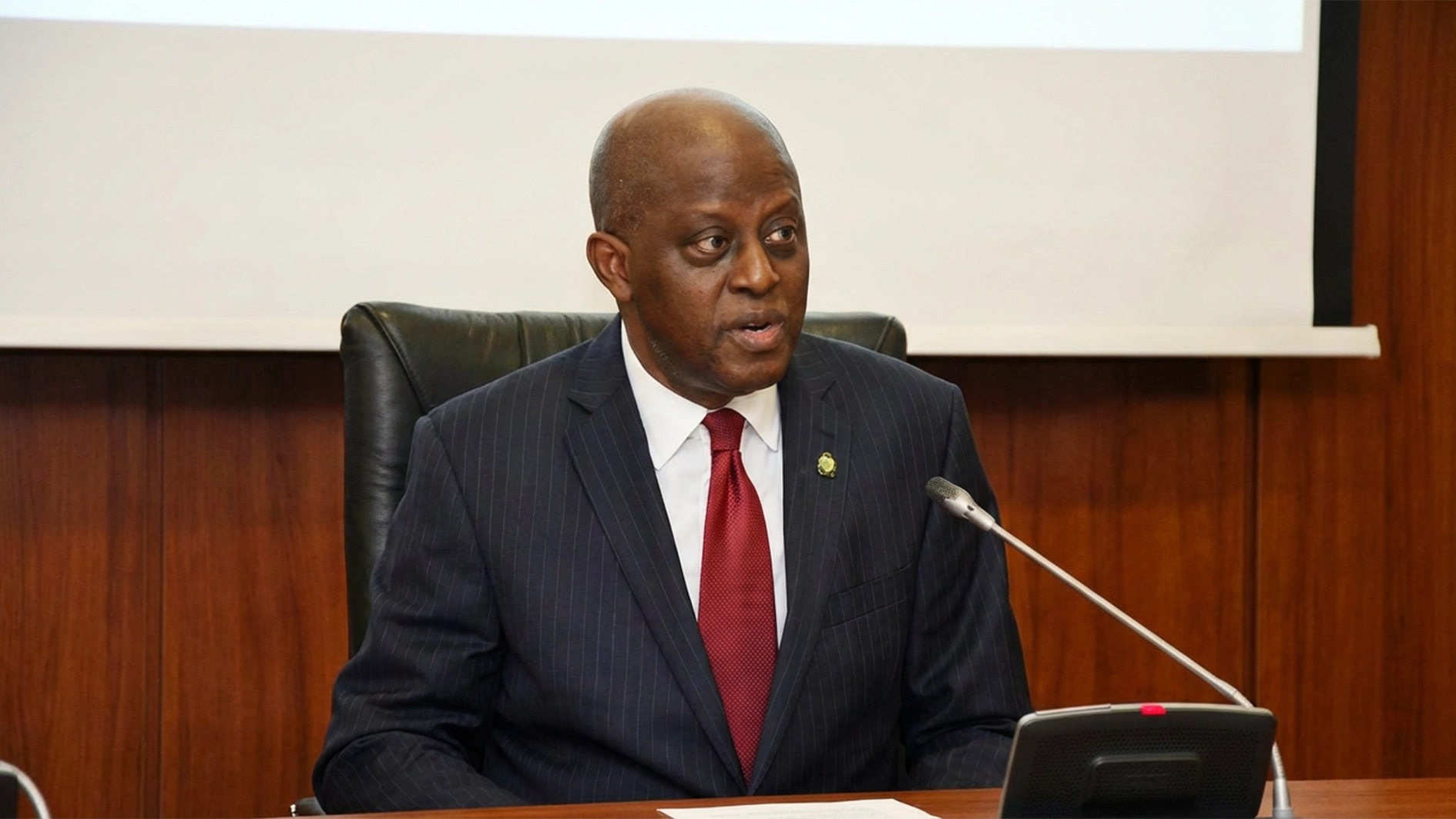
Both Oyedele and Cardoso said better coordination should allow both institutions to anticipate these effects before policy decisions create avoidable pressure elsewhere.
Cardoso said the MoU would provide a structured framework for “regular consultation, information exchange and policy coordination”, covering areas such as government cash management, debt issuance, liquidity forecasting and macroeconomic analysis.
For households, the potential payoff is a more coherent policy mix that makes inflation management more effective. But household welfare is not only about prices. It is also about income.
Therefore, heavy government borrowing can compete with the private sector for funds, potentially raising financing costs or restricting access to credit. A more predictable approach to government financing and liquidity management could create greater room for businesses to plan, invest and expand.
Oyedele noted this when he said the objective was to pursue “efficient financing that does not throttle the private sector”.
He declared that if businesses can invest and expand, the benefits can extend to households through production, employment and income.
The agreement also places considerable emphasis on data.
Oyedele said the two institutions would improve information sharing on fiscal positions, financing plans, credit growth and foreign-exchange flows, while working with the National Bureau of Statistics to strengthen producer-price, employment and productivity data.
That could improve the government’s ability to identify inflationary pressures before they fully reach consumers.
Consumer price data tells policymakers what households are already paying, while producer price data can provide an earlier indication of rising production costs, he said.
Oyedele, who succinctly captured the broader principle, added: “We need better data so we can have better policy.”
The emphasis becomes more important as the CBN advances towards inflation targeting, a framework Cardoso said required not only effective monetary policy but also a supportive fiscal environment.
The MoU also has implications for investors.
Policy uncertainty raises the risk attached to capital. Investors therefore watch inflation, exchange rates, government borrowing, debt sustainability and the consistency of economic policy.
A formal coordination mechanism could clarify how fiscal and monetary decisions will interact.
But Oyedele said the government’s ambition extends beyond short-term portfolio flows to foreign direct investments that fund factories, infrastructure, technology and jobs.
Both the Minister and Cardoso stressed that closer cooperation would not compromise the CBN’s independence.
Oyedele declared that coordination must never become fiscal dominance, while Cardoso described the agreement as a framework for consultation and information exchange rather than a merger of mandates.
While fiscal authorities remain responsible for government revenue, expenditure and borrowing, the CBN retains responsibility for monetary and financial system stability.
The overall aim is to ensure that separate mandates serve a common economy.
A retired central banker, Dr Yunana Bature, observed that the MoU is a framework, not a cure for Nigeria’s cost-of-living crisis.
“It cannot by itself reduce food prices, fix infrastructure or raise household incomes. But it could help prevent fiscal and monetary policies from working against each other while supply-side measures address the structural causes of inflation,” he explained.
As Cardoso put it, the objective is to strengthen economic management in pursuit of lasting economic stability and sustainable prosperity for all Nigerians.
Whether the latest move translates into relief for households will depend not on the MoU, but on its implementation and whether coordination produces economic gains that Nigerians can actually feel.

