 Follow Us on Google News
 Follow Us on Google Discover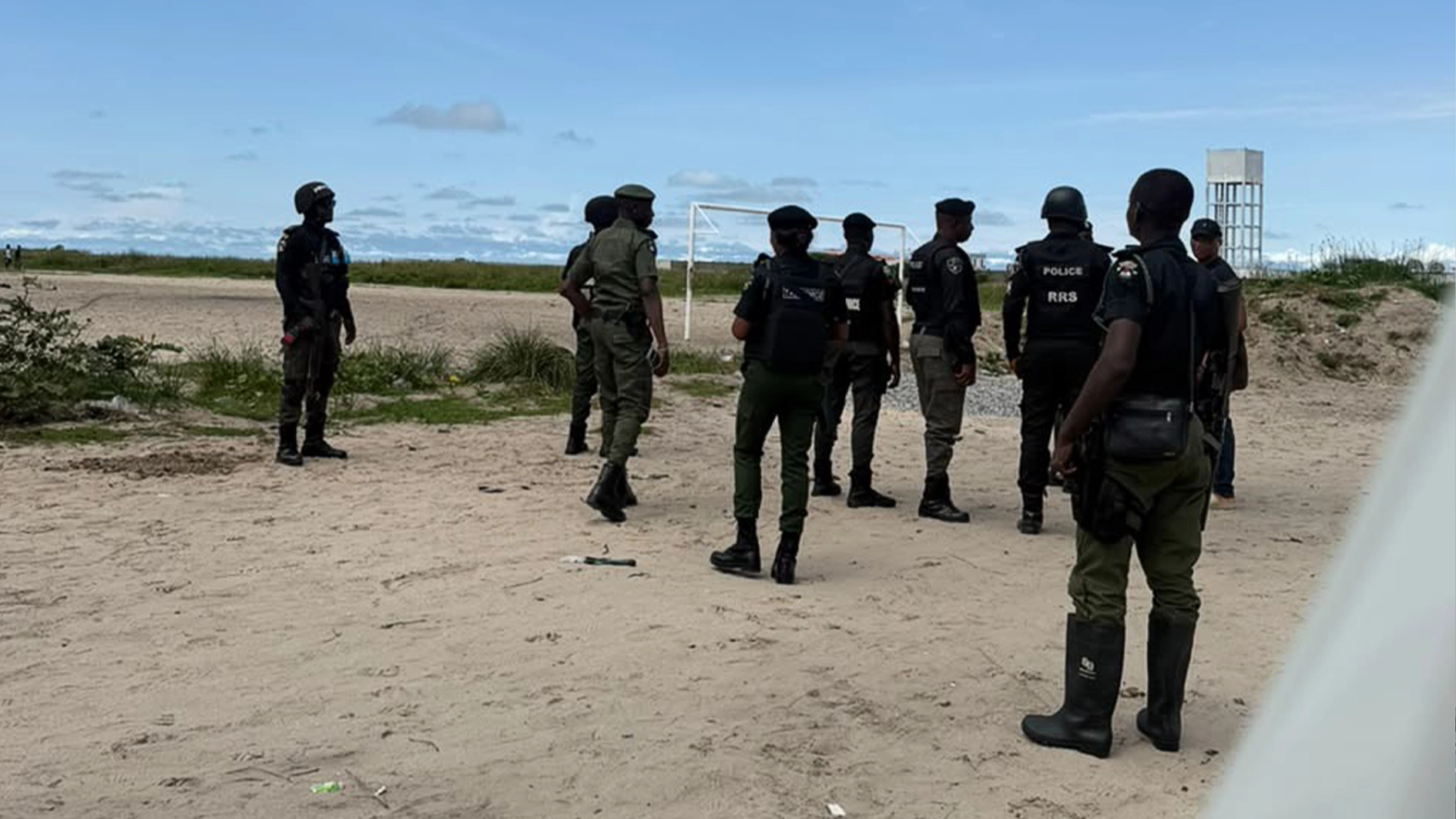
There is a man somewhere in Kaduna State who has witnessed things he cannot forget. He’s responded to mass casualty scenes, watched colleagues die, and dealt with the aftermath of violence that would break most people. He returns home, if he does, and stares at the ceiling. He does not talk about it. In his institution, talking about it is considered a show of weakness. So he drinks instead, withdraws, or snaps at his loved ones. Nobody calls it PTSD. Nobody calls it anything at all.
I know this officer. Not personally, but empirically.
My master’s dissertation at the Nigerian Defence Academy examined the influence of coping strategies on Post-Traumatic Stress Disorder among law enforcement officers in Kaduna State. The findings, based on 210 respondents from the Nigeria Police Force, the Nigeria Security and Civil Defence Corps, and the Federal Road Safety Corps, were disturbing: avoidant coping (denial, emotional withdrawal, substance use) emerged as the strongest predictor of PTSD symptoms. The officers who were most likely to suffer were not always the ones subjected to the most violence. They were the ones with the least psychological support and the fewest healthy ways to process what they had seen.
Nigeria is currently deploying people into one of the most psychologically hostile work environments on the planet, expecting them to function indefinitely without institutional support. Kaduna State alone has seen major kidnappings, religious violence, armed banditry, and airstrikes. Officers stationed there are not subjected to a single traumatic incident; rather, they experience cumulative, relentless exposure to trauma that compounds over years of service. My findings showed that more years of service, not fewer, were associated with higher PTSD symptoms. These are not recruits breaking down under pressure. These are experienced officers whose psychological reserves have been slowly depleted, year by year, with no system in place to replenish them.
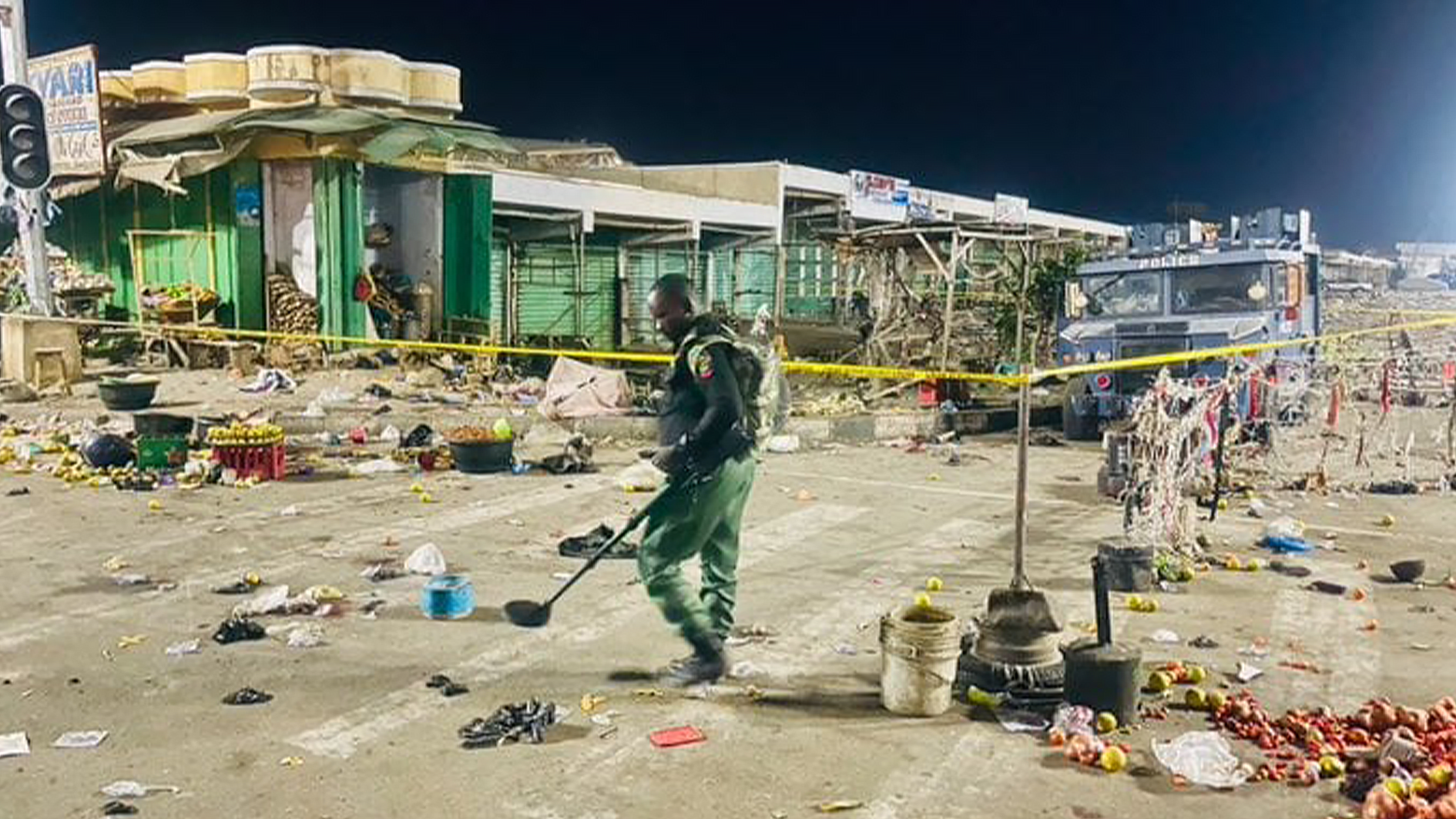
The institutional response to this situation is largely silence. Unlike military personnel, who have the framework of combat psychology to draw on, Nigerian police and paramilitary officers are expected to perform quasi-military duties under civilian law enforcement conditions, with no access to trauma debriefing, psychological counselling, or formal mental health infrastructure. Where such services do exist, they are limited by stigma. Officers who confess psychological distress risk being labelled unfit for duty. The culture deliberately penalises honesty about pain.
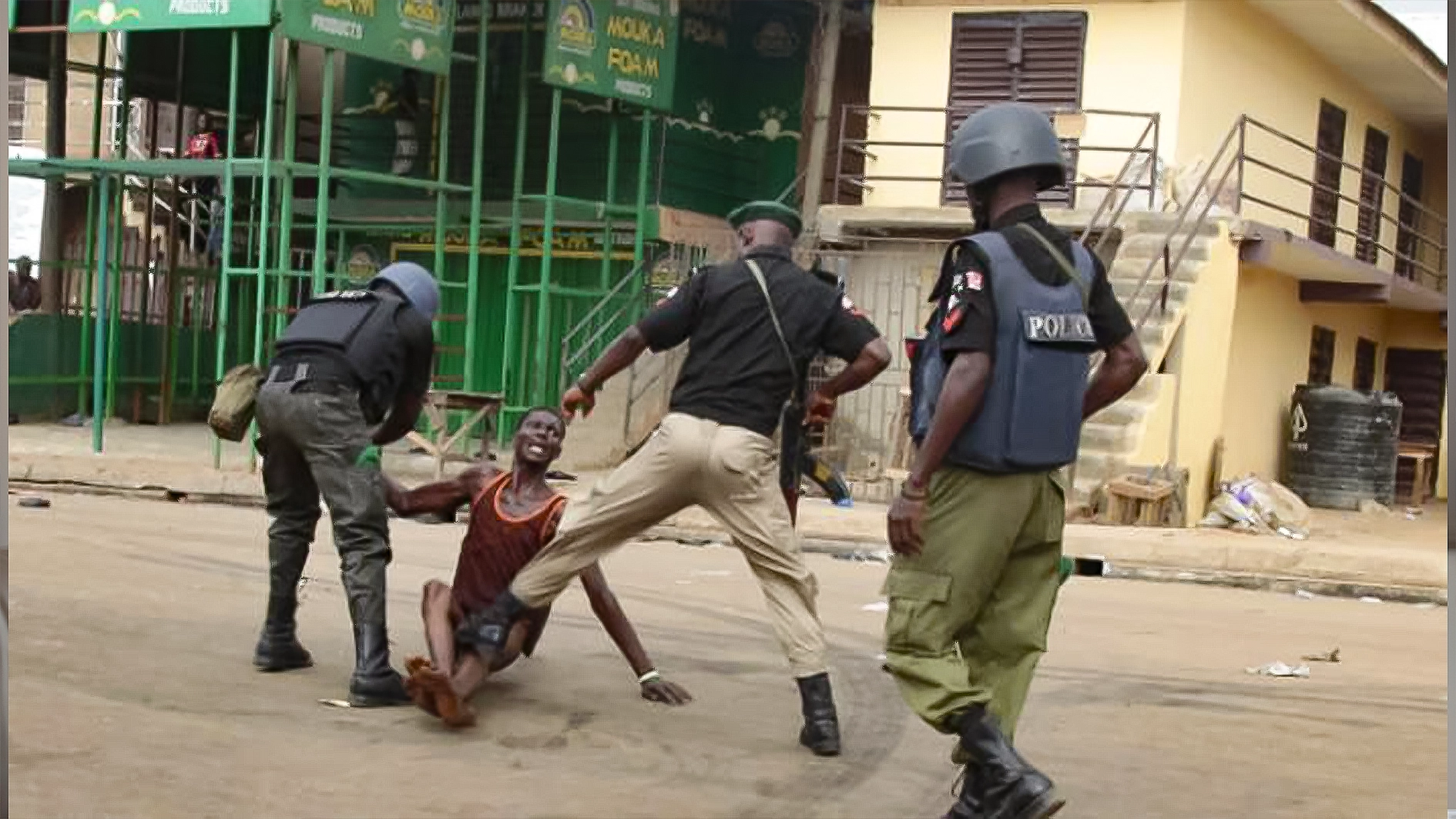
The consequences of this silence extend beyond the officer. An officer with untreated PTSD carries more than just private pain. Research consistently links untreated trauma to poor decision-making, violence, ethical transgressions, and community mistrust. The officer who has never processed his trauma becomes the officer who uses excessive force, is unavailable to the community he serves, and finally burns out, taking his institutional knowledge with him. Nigeria’s security crisis cannot be handled by deploying more traumatised individuals into violent situations and hoping for the best.

My research recommends what Nigeria’s security architecture desperately requires: basic, if not simple, change. Law enforcement agencies must integrate structured coping-skills training into their standard curricula, not as an elective, but as essential operational preparation. Psychological screening and trauma debriefing must become standard practice following high-risk deployments, rather than a luxury reserved exclusively in theory. Mental health professionals must be integrated within security agencies, with strong confidentiality protections that provide officers genuine reason to seek help. And policymakers must allocate resources to match the severity of the problem not symbolic gestures, but supported, long-term mental health infrastructure.
Nigeria spends billions arming its security forces. It spends almost nothing healing them.
The officer who cannot sleep isn’t weak. He is the foreseeable outcome of a system that views humans as operational assets and psychological victims as collateral damage. Until Nigeria decides that the mental health of its law enforcement officers is a security concern, not a personal one, the cycle will continue. The trauma will worsen. The ceiling will keep staring back.

Tajudeen Lanre Abdullahi is a master’s graduate in Criminology and Forensic Psychology at the Nigerian Defence Academy, where his dissertation examined PTSD and coping strategies among law enforcement officers in Kaduna State. He is a former intern and NYSC corps member at the Institute for Peace and Conflict Resolution, and writes on peace, security, and the psychology of conflict.

