 Follow Us on Google News
 Follow Us on Google Discover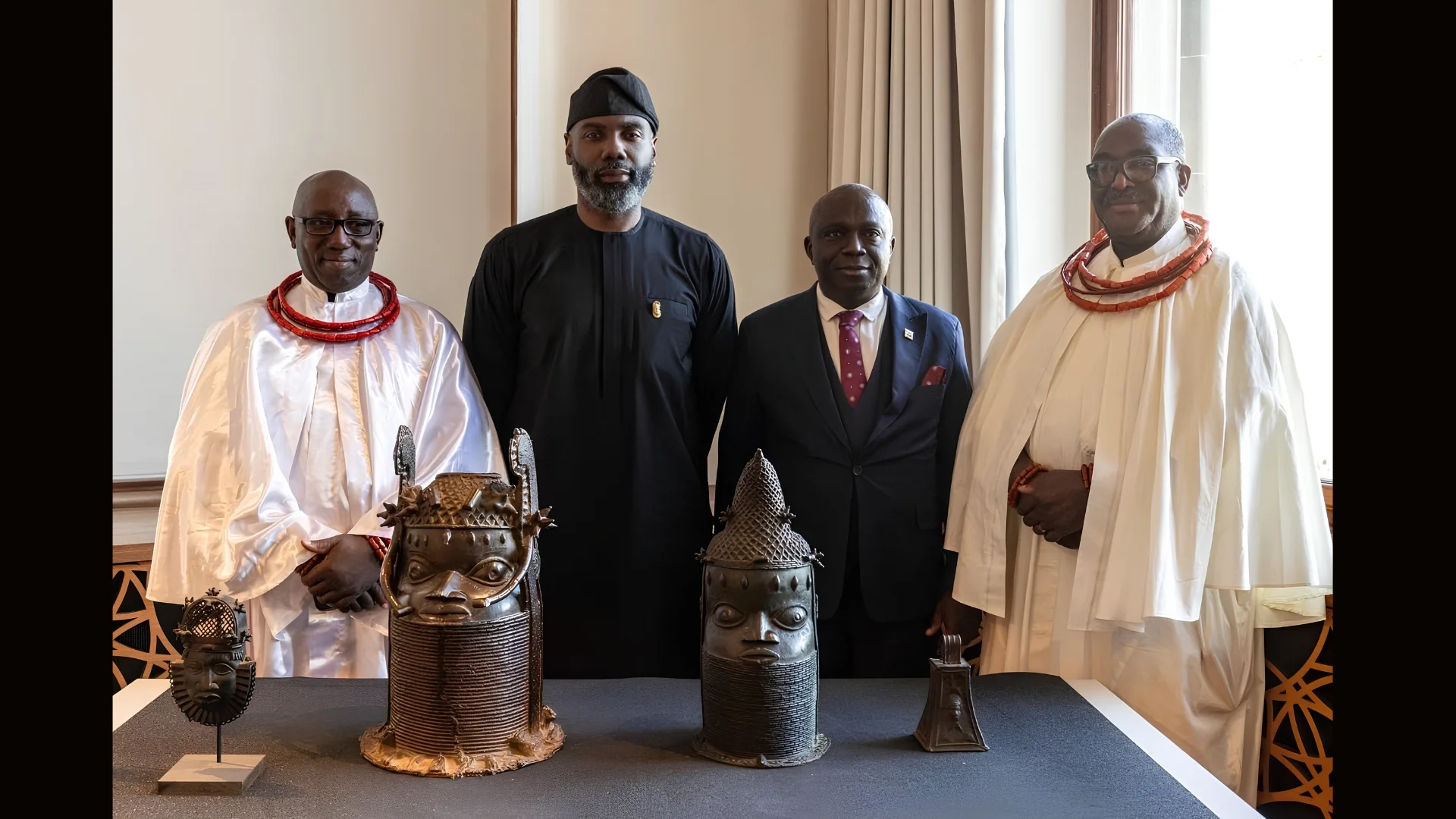
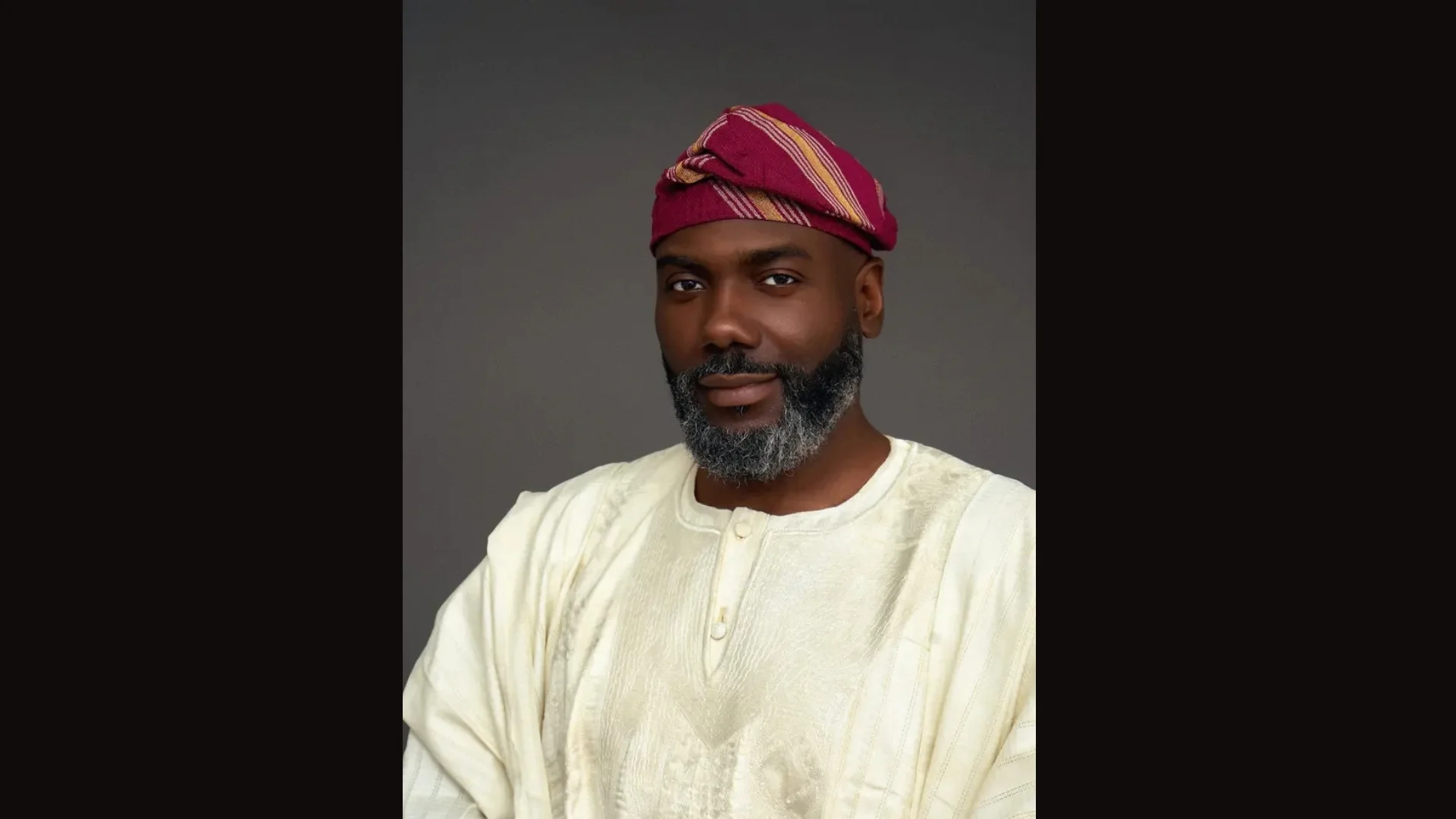
Director-General of Nigeria’s National Commission for Museums and Monuments (NCMM), Olugbile Holloway, has been named to TIME magazine’s inaugural TIME100 Art list, placing Nigeria’s campaign for the restitution of looted cultural objects alongside some of the people and institutions shaping contemporary conversations about art.
Holloway appears in the Leaders category of the 2026 list, with his recognition centred on his work as an advocate for the repatriation of Nigerian cultural heritage.
TIME launched TIME100 Art this month as an expansion of its influential TIME100 franchise, bringing together artists and figures working across museums, galleries, collecting, cultural policy, heritage protection and the international art market.
Painter Amy Sherald appears on the worldwide cover of the inaugural issue, photographed by Tyler Mitchell. The list extends beyond practising artists to include collectors, museum leaders, gallerists, dealers, curators, advisers and others influencing the structures around art.
For Holloway, the recognition comes after a period in which the NCMM has been involved in significant negotiations over the return of Nigerian cultural objects held overseas.
President Bola Tinubu appointed Holloway Director-General of the commission in March 2024, with responsibility for an agency charged with preserving and promoting Nigeria’s cultural heritage.

Since then, restitution of artefacts taken from Nigeria during the colonial era, particularly the Benin Bronzes, has remained an important part of the commission’s work.
The return from the Netherlands
One of the most significant developments came in 2025 with the restitution of 119 Benin Bronzes from the Netherlands.
The transfer agreements were signed in February 2025 by the Dutch government and Nigeria’s NCMM, represented by Holloway. The objects were subsequently physically returned to Nigeria in June.
The collection included 113 objects from the Dutch State Collection and six from the City of Rotterdam. The return was unconditional and followed provenance research into how the objects entered Dutch collections.
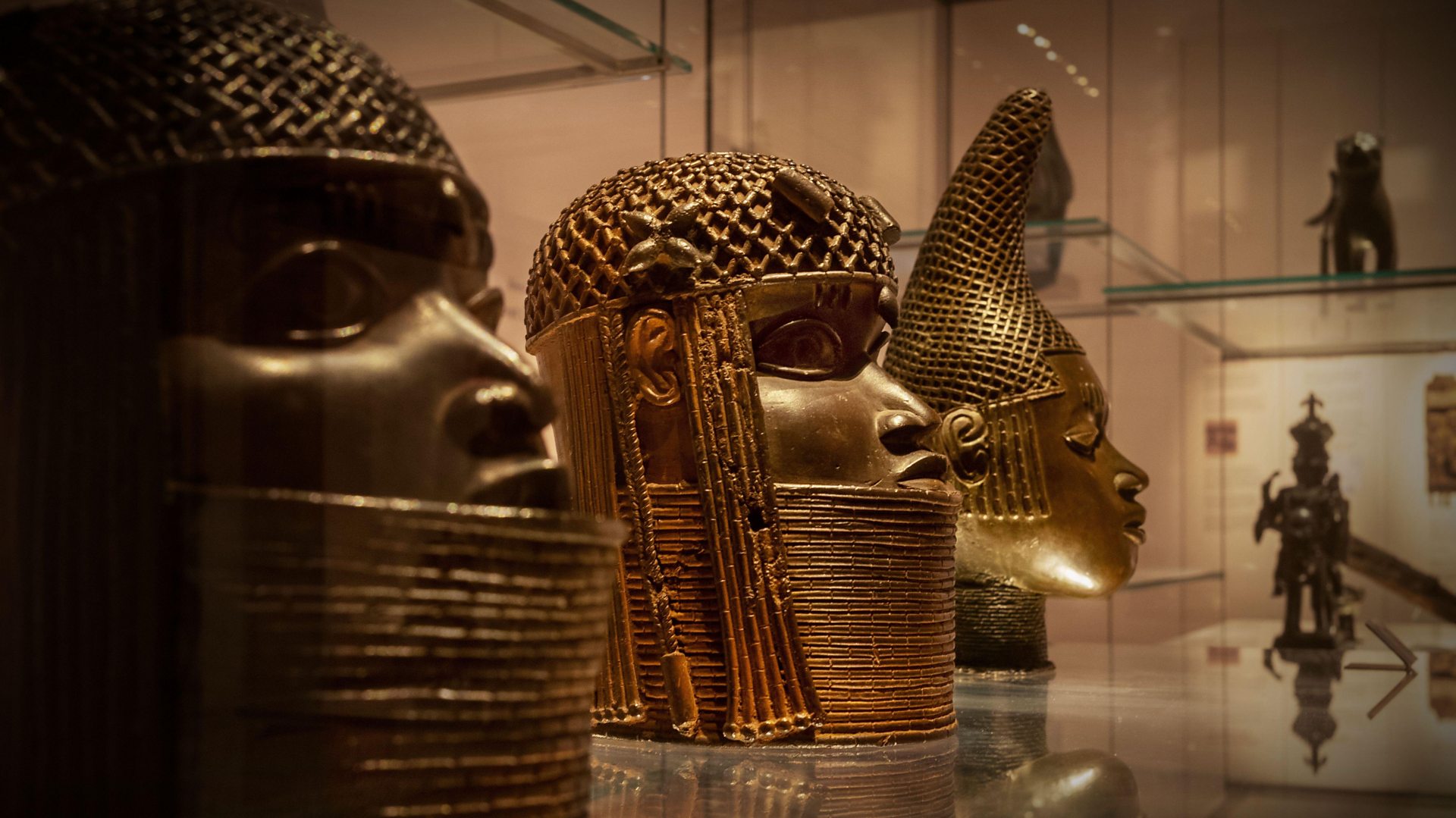
The 119 objects represented one of the largest single returns of Benin artefacts to Nigeria since British forces invaded Benin City in 1897 and removed thousands of cultural objects from the royal palace.
At the Lagos handover, Holloway described the return as significant not only for the people of Benin but for Nigeria more broadly.
The restitution also demonstrated how negotiations over objects taken during the colonial period have moved from debates about whether museums should return them towards more complicated questions of ownership, custody, conservation and future display.
Cambridge transfers ownership of 116 objects
Another development followed in February 2026 when the University of Cambridge formally transferred ownership of 116 Benin artefacts from the collection of its Museum of Archaeology and Anthropology to Nigeria.
The objects, predominantly brass works alongside ivory and wooden pieces, were associated with the 1897 British expedition against Benin.
The agreement followed a formal restitution request made by the NCMM in January 2022 and subsequent approval from Cambridge and the UK’s Charity Commission.
The transfer represented a legal change of ownership rather than the immediate physical return of all 116 objects. Cambridge said arrangements for the physical transfer of most of the collection would follow, while a small number would remain at the university on loan for display, teaching and research.
Holloway described the agreement at the time as an important development in relations between Nigeria and Cambridge.
Together, the Dutch and Cambridge agreements have placed the NCMM at the centre of a wider international debate over cultural restitution.
British Museum presents a harder challenge
Attention is increasingly turning towards institutions where restitution faces more complicated legal obstacles.
Among them is the British Museum, whose ability to permanently remove objects from its collection is restricted by British legislation.
That creates a different challenge from negotiations with institutions whose governing frameworks allow permanent restitution.
The issue is particularly significant for Nigeria because the British Museum holds an important collection of Benin objects acquired following the 1897 invasion.
Holloway’s inclusion in TIME100 Art reflects the extent to which restitution has become part of the international art conversation, involving not only questions of history but also law, diplomacy, museum governance and the future relationship between institutions and communities from which cultural objects originated.
It also places a Nigerian public cultural institution within a list that deliberately looks beyond artists themselves.
TIME Chief Executive Officer Jessica Sibley said the inaugural list recognises people whose work is expanding the possibilities of art and influencing the wider cultural conversation.
Half of those selected for the inaugural TIME100 Art are not artists, reflecting the magazine’s decision to recognise the wider ecosystem that influences how art is created, collected, preserved, exhibited and understood.
New York gathering
The recognition will extend beyond the publication of the list.
TIME is scheduled to host its inaugural TIME100 Impact Dinner: Leaders Shaping the Future of Art in New York City on October 5.
The event is expected to bring together figures included in the inaugural list and others working across visual art and culture.
For Holloway, the TIME recognition arrives while the work of recovering Nigerian cultural heritage remains unfinished.
The return of 119 objects from the Netherlands and Cambridge’s transfer of ownership of another 116 demonstrate that restitution agreements once considered difficult can be reached.
But the continuing presence of Nigerian cultural objects in major international collections means the broader debate is unlikely to disappear.
Holloway’s place on the inaugural TIME100 Art list therefore recognises more than an individual appointment at the NCMM.
It draws international attention to a cultural question Nigeria has pursued for decades: how objects removed during the colonial era should be returned, preserved and presented to future generations.

