 Follow Us on Google News
 Follow Us on Google Discover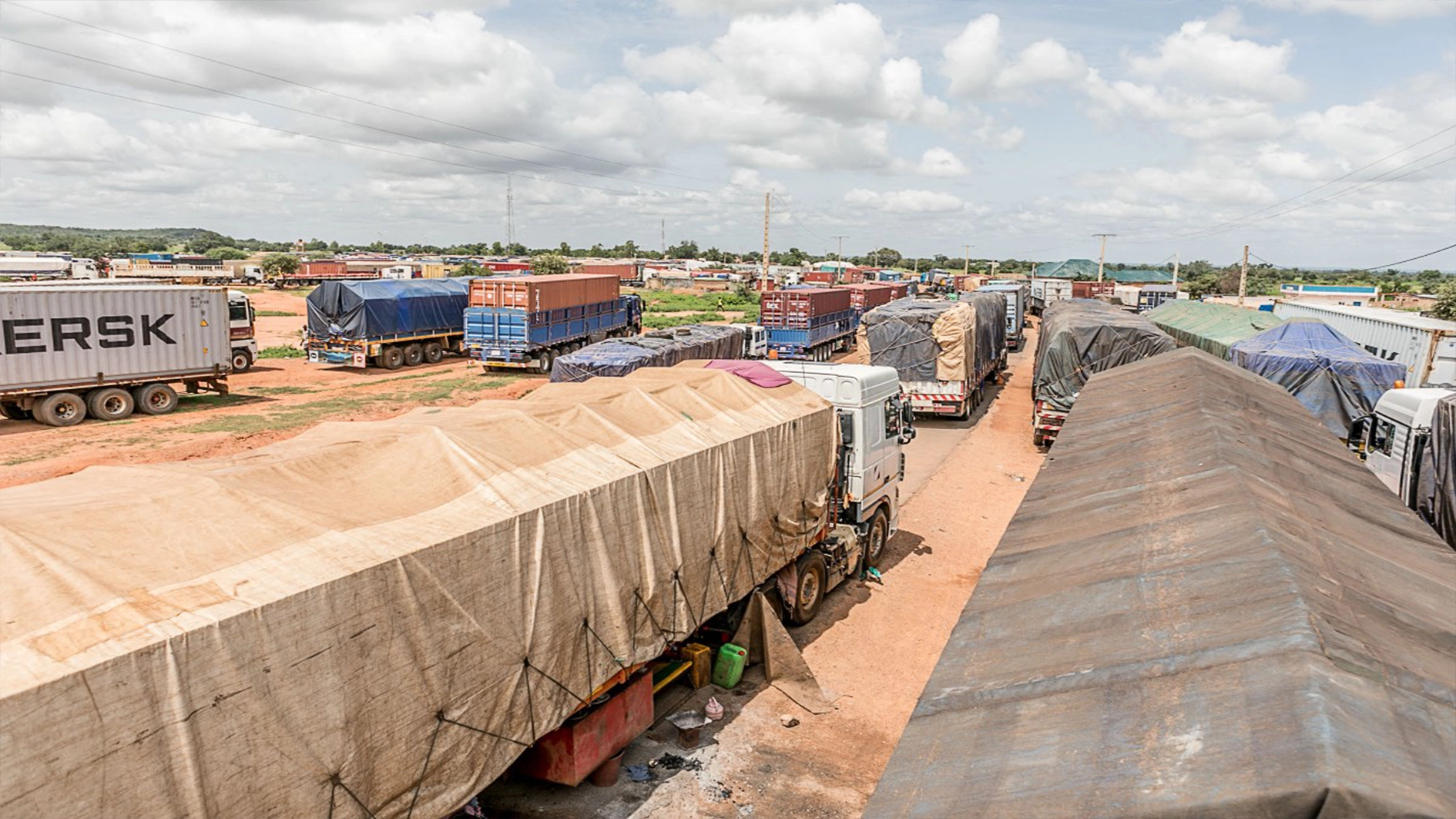
Stakeholders have cautioned traders and customs agents against smuggling, false declaration and duty evasion, urging them to comply with import and export regulations to protect their businesses from financial losses and sanctions.
The warning was issued yesterday at a stakeholders’ sensitisation and engagement on trade, customs compliance and anti-smuggling facilitation awareness organised by the Association of Nigeria Licensed Customs Agents (ANLCA), Seme Border, and hosted by the Lagos International Trade Fair Complex Management Board (LITFCMB) in Lagos.
The Executive Director and Chief Executive Officer of LITFCMB, Veronica Ndanusa, said the Trade Fair Complex was a major commercial hub where importers, manufacturers, distributors, freight forwarders, customs officials and other businesses interact.
She said it was therefore essential for businesses operating within the complex to understand applicable trade and customs procedures to maintain an orderly and sustainable trading environment.
Ndanusa said enforcement should be complemented by education, engagement and trade facilitation, noting that better understanding of regulatory requirements would make compliance easier and reduce inadvertent violations.
She warned that illicit trade and smuggling could undermine legitimate businesses.

Distort competition, deprive government of lawful revenue and create security and regulatory challenges.
According to her, the engagement was also in line with the Federal Government’s agenda to improve the ease of doing business across economic sectors.
Ndanusa stressed the importance of collaboration among stakeholders in promoting long-term economic stability and commercial growth, urging regulatory and enforcement agencies to adopt a stakeholder-oriented approach in implementing laws governing international trade.
The Chairman, ANLCA, Seme Border, Wasiu Abioye, said traders involved in import and export must understand the nature of their goods, required documentation, applicable customs procedures and duties, as well as whether the goods were prohibited or restricted.
He advised traders to seek clarification whenever they were uncertain about the requirements rather than rely on unverified sources, stressing that ignorance of the law was not an excuse for non-compliance.
“We, therefore, appeal to every trader: do not allow your business to be used for smuggling. Reject false declaration, concealment, duty evasion, identity misuse and other attempts to circumvent established procedures. No short-term gain is worth sacrificing sustainable business,” he said.
The Deputy Comptroller, Nigeria Customs Service, Seme Area Command, Emmanuel Njoku, called for greater collaboration and information sharing among stakeholders to improve trade facilitation and compliance.
He explained that the Seme-Krake Joint Border Post was co-managed by Nigeria and Benin Republic under the ECOWAS framework, describing it as an important gateway for cross-border trade in the region.
Njoku said Nigerian and Beninese customs authorities were working to integrate their systems, share information and collaborate with relevant agencies to modernise operations at the border.
He said the Customs Service had introduced various tools to facilitate legitimate trade, urging traders to take advantage of the Seme route.
The Assistant Comptroller, Officer-in-Charge, Bond Service, John Iroegbu, highlighted the benefits of importing through Seme Border, urging businesses to take advantage of its proximity to the Trade Fair Complex and Alaba International Market along the Lagos-Abidjan Corridor.
He said consignments cleared through the border were protected, explaining that once a truck had been cleared and sealed at the border, it could not be opened, searched or tampered with until it reached its destination, thereby reducing the risk of pilferage.
Iroegbu said the Seme Area Command operated a one-stop-shop examination system under which Customs and other relevant agencies conducted joint examinations at a designated point, saving traders time and reducing clearance costs.
He added that importing through the border could be more cost-effective because trucks cleared by the command moved directly to their destinations, reducing the possibility of demurrage and storage charges arising from delays in clearing containers at other locations.

