 Follow Us on Google News
 Follow Us on Google Discover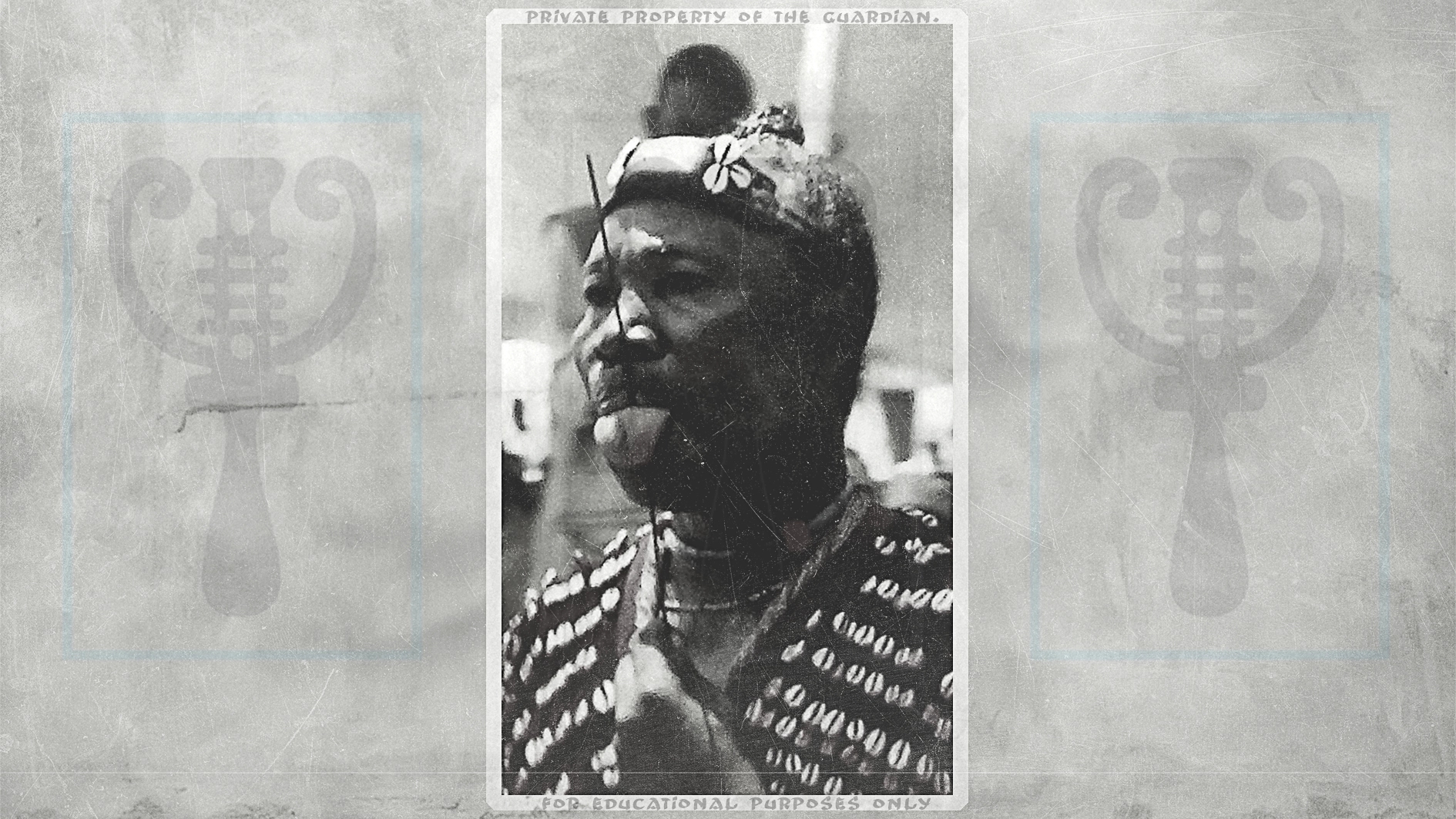
Before the era of digital campaigns, internet algorithms, and polished media consultants, connecting with the public required a much more grounded, culturally rich approach. These historical images reveal fascinating snapshots of how Nigerian politicians and local communities once leveraged traditional pageantry and street festivals to capture attention, rally crowds, and celebrate their heritage.
Long before the era of flashy billboards political mobilization was a deeply cultural affair. In October 26, 1990, during the National Republican Convention (NRC) campaign rally held in Warri, then part of Bendel State. Political rallies were not merely platforms for speeches and policy debates; they were grand carnivals of color, sound, and tradition.
The 1990 NRC rally featured an unexpected yet commanding guest: an Ipi masquerade. Towering and theatrically, the masquerade was brought out to entertain party supporters and inject vibrant cultural energy into the political atmosphere. By integrating indigenous performance art into party politics, candidates recognized a vital truth about grassroots connection. Culture spoke a language everyone understood. When the drums sounded and the masquerade danced, it drew massive crowds, turning a standard political convention into an unforgettable community event that bridged modern governance with ancient heritage.
Today, looking back at the streets of Lagos, we see a different style of this historical preservation. For instance, in March 1989, the raw, unadulterated street culture of Mushin was on full display during an Egungun festival.
Among the highlights was a smaller, agile masquerade affectionately known as Opemititi.
Mushin has always been a cultural crucible, a fast-paced neighborhood where tradition effortlessly coexists with modern urban hustle.
In the late 1980s, local festivals served as major social anchors. The appearance of Opemititi was more than just a spectacle; it was a communal ritual that brought neighbors together, offering a brief escape from economic pressures and celebrating local folklore. These street-level displays acted as the heartbeat of urban identity, proving that the preservation of culture does not only happen in national museums, but right on the asphalt where the people live and walk.
Beyond politics and neighborhood festivals, these records also showcase the raw theatricality of indigenous spiritual and performance traditions, such as traditional Sango displays. Known with striking visual intensity, these practices showcase the enduring power of performers who kept ancient mythologies alive through physical endurance, elaborate costuming, and mesmerizing pageantry.
Looking back at these historical records from the political rallies of Warri in 1990 to the lively streets of Mushin in 1989, we are reminded of the rich culture that built modern Nigeria.
They honour our past and, more importantly, show us that our traditions have always been a powerful tool for unity, expression, and storytelling, elements that continue to define the spirit of the nation today.
