 Follow Us on Google News
 Follow Us on Google Discover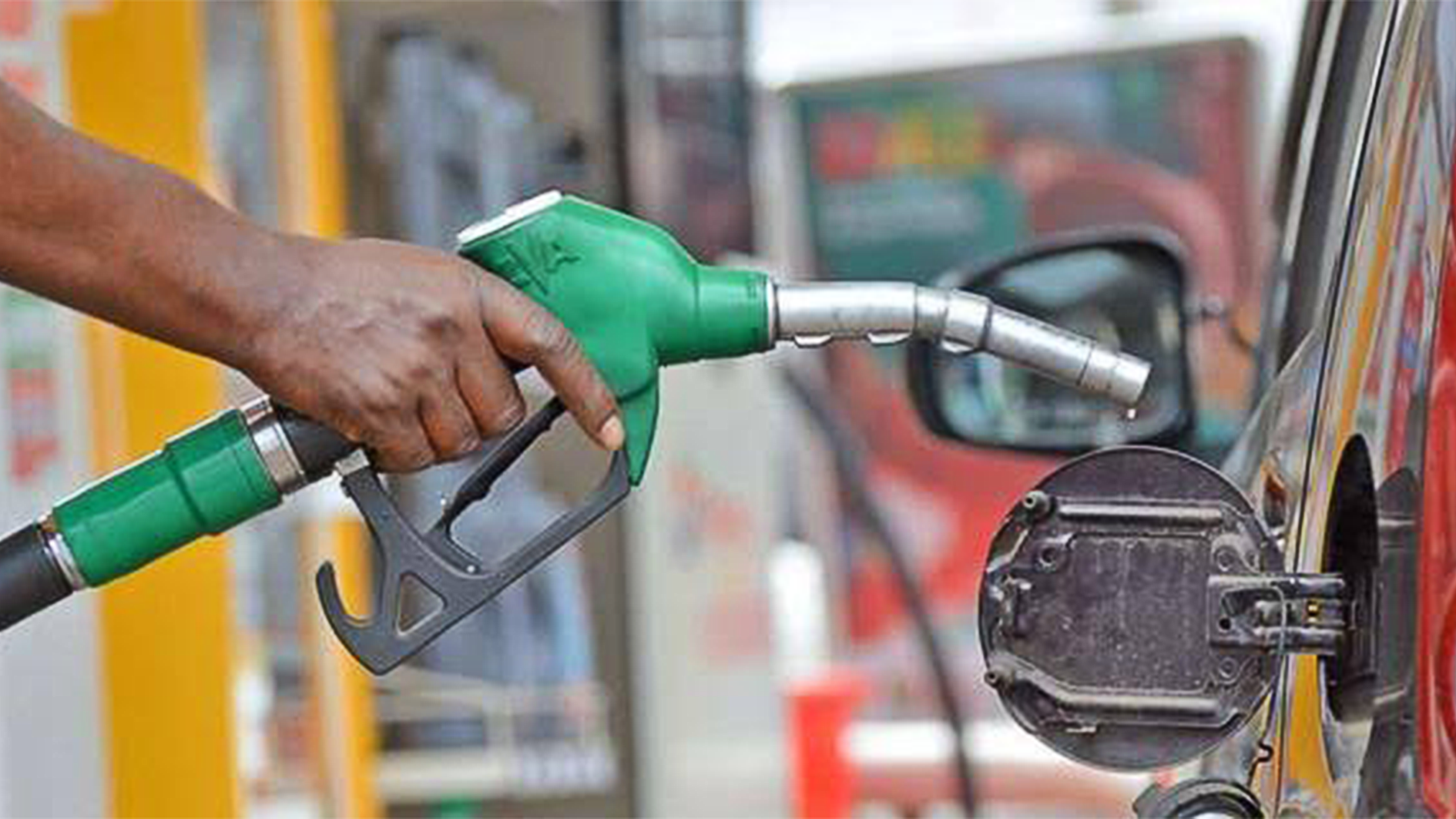
• Gas fund unlocks N1.6tr private investment as FG pushes policy stability
• Marketers warned against under-dispensing of petrol
Nigeria’s average daily petrol consumption fell to its lowest level in 13 months in August 2026, as persistently high pump prices continued to weigh on fuel demand despite increased supply from domestic refineries.
However, the Federal Government’s drive to sustain investment across the country’s oil and gas industry gained fresh momentum yesterday in Abuja as the Midstream and Downstream Gas Infrastructure Fund (MDGIF) disclosed that it leveraged N671 billion in public funds to attract N1.6 trillion in private investment, while regulators insisted that policy certainty and faster project execution would determine whether the country achieves its three million barrels per day oil production target by 2030.
Data released by the Nigerian Midstream and Downstream Petroleum Regulatory Authority (NMDPRA) showed that Premium Motor Spirit (PMS) consumption dropped to 41.6 million litres per day in August, from 48.3 million litres per day in July, representing a 14 per cent month-on-month decline.
The August figure was also well below the 13-month average of 51.1 million litres per day and marked the lowest consumption level recorded since August 2025, when daily demand stood at 48.4 million litres.
The latest figures suggest that elevated fuel prices are continuing to suppress demand, even as domestic refining capacity improves following increased output from local refineries.

The regulator’s data showed that December 2025 recorded the highest consumption of the period, at 63.7 million litres per day, driven by festive travel, before demand began to moderate in subsequent months.
The decline in consumption came despite an improvement in product availability. NMDPRA said total daily PMS receipts increased by 11 per cent in August to 50.5 million litres per day, compared with 45.5 million litres per day in July.
The increase was largely driven by domestic refineries, whose daily PMS deliveries surged by 39 per cent to 35.9 million litres per day, while imports by oil marketing companies and the Nigerian National Petroleum Company Limited (NNPCL) fell by 26 per cent to 14.6 million litres per day.
Over the 13-month period, domestic refineries supplied an average of 29.7 million litres per day, accounting for 59.1 per cent of total petrol supply, while imports contributed 20.6 million litres per day, or 40.9 per cent.
The authority also reported that crude oil receipts to domestic refineries rose by 17 per cent, from 585,000 barrels per day in July to 683,000 barrels per day in August, indicating a stronger feedstock supply for local refining operations.
The August data also showed that petrol stock sufficiency improved slightly to 22.9 days, compared with 22.4 days in July, suggesting that supply remained relatively comfortable despite lower consumption.
Beyond petrol, other petroleum products also recorded weaker demand. Automotive Gas Oil (diesel) consumption declined by 15 per cent to 14.3 million litres per day, while Liquefied Petroleum Gas (LPG), i.e. cooking gas, fell by 11 per cent to 4.8 kilotonnes per day.
In contrast, Aviation Turbine Kerosene (ATK), or aviation fuel, rose by 22 per cent to 2.8 million litres per day, reflecting stronger activity in the aviation sector.
THE Federal Government’s investment push came as petroleum marketers were ordered to recalibrate dispensing pumps nationwide after NMDPRA intensified enforcement against under-dispensing at filling stations.
Speaking at the 2026 Annual Conference of the Association of Energy Correspondents, Abuja (AECAF), the Executive Director of MDGIF, Oluwole Adama, said the fund’s de-risking model enabled public capital to mobilise private investment at about 2.4 times its contribution.
Represented by the Director of Strategy, Research and Deal Origination, Elvis Duruji, the ED said the fund supports 31 projects and 205 infrastructure assets capable of supplying about 475 million standard cubic feet of gas daily to the domestic market when completed.
The projected volume represents roughly a quarter of Nigeria’s domestic gas supply, about 1.9 billion standard cubic feet daily, underscoring the scale of infrastructure gaps the government is attempting to close.
“The fund is a public fund, and we see platforms like this as an opportunity to account for what we are doing,” Adama said.
He explained that MDGIF was established not merely to provide financing but to make commercially difficult projects attractive to investors by absorbing early-stage risks.
Among the projects highlighted was Topline Limited’s five-million-standard-cubic-feet mini-LNG plant in Delta State, which had reportedly struggled to secure financing for three years before receiving MDGIF support, which unlocked an InfraCredit guarantee.

