 Follow Us on Google News
 Follow Us on Google Discover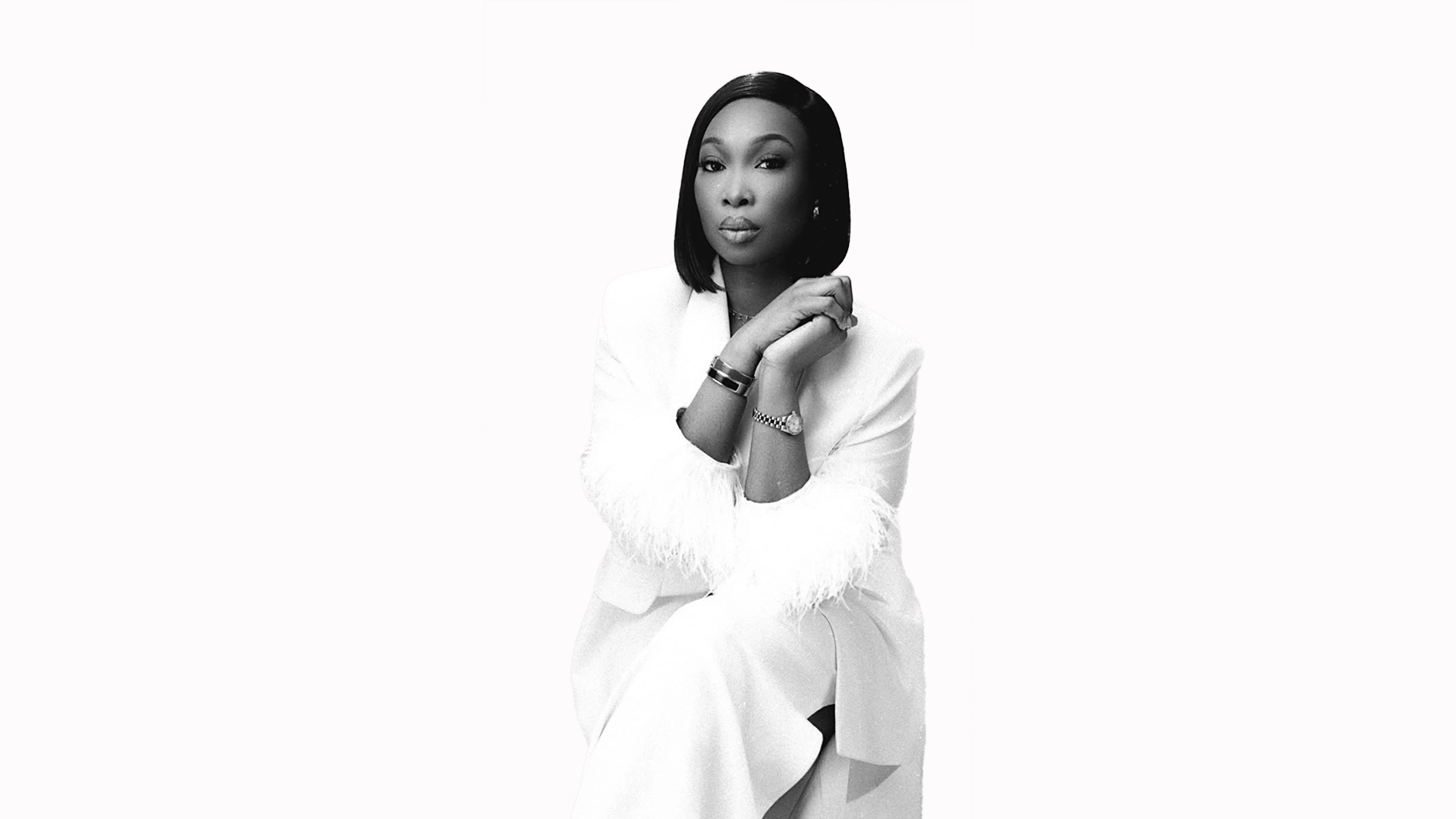
For every woman with the correct female gene ‘XX’, this comes as a familiar problem, a wardrobe filled with beautiful things she no longer wears. Some pieces had been bought for weddings, birthdays, holidays, career milestones and other special occasions. Others had been purchased for plans that never quite materialised, some barely worn; a few still have their tags attached, still, there is a constant humorous reality of buying clothes for the woman she hoped to become, for impromptu events she anticipates to attend in order to avoid being caught off guard – she needs to have every clothing appropriate for all functions, so long as she can afford it.
The reality however is, a lot of these women still gets to a crossroad of helplessness where they feel like they don’t have any clothing at all when it’s times to attend a new function, automatically condemning every beautiful clothing in the wardrobe to a stale state of unusable – going again with the need for something new.
This unfathomable women’s reality, especially lovers of fashion, is why Oluyemisi Fadahunsi sees this idle clothing hanging in the wardrobe beyond a state of stale fashion. For her, “It is value. It is commerce. It is culture. And increasingly, it is also an opportunity to rethink how society consumes and disposes of the things it owns.”
Value Sitting Idle
For Fadahunsi these were not simply unwanted clothes. They represented value sitting idle in the wardrobe. She realised there was immense value locked away in people’s closets and there was a need to create an opportunity to connect that value with people who would genuinely love and wear those pieces sitting idle in the wardrobe.
This realisation is the reason behind Eko Fashion Loop (EFL), the curated preloved fashion platform founded by Fadahunsi to give quality fashion pieces a second life while encouraging Nigerians to think differently about ownership, consumption and value.
“This is a familiar problem with most women; even some men have become guilty of this. I see a lot of people around me with wardrobes filled with quality dresses, designer pieces, handbags, shoes and accessories they hardly used. At the same time, there were people actively looking for those very items but who might not have been able, or willing, to pay the full retail price for them.”
The Insight

In Nigeria, many people still do not think of clothing and accessories as assets once they have served their immediate purpose. When they declutter, they may give items away, pass them to relatives or simply put them away and forget about them.
Fadahunsi believes there is another possibility. “We already understand this concept with cars, electronics, furniture, and even property. We comfortably buy and sell pre-owned assets because we recognise their value. Our question is: why should quality fashion be any different?”
At the heart of this is a simple concept: create a trusted marketplace where people can buy and resell quality fashion pieces, unlock value from their wardrobes and participate in a more circular way of consuming fashion.
This was the insight that eventually led Fadahunsi to the rebranding and expansion of Eko Fashion Loop. But for her, this is not merely another online marketplace. It is an attempt to change a mindset
Circular Fashion
According to Fadahunsi the philosophy of Eko Fashion Loop is that a beautiful dress should not necessarily have only one owner. A designer handbag does not lose its usefulness because its first owner has moved on. A quality pair of shoes, blazer or Nigerian-designed outfit can continue creating value when it moves into another wardrobe.
This is the essence of circular fashion: keeping products in use for longer rather than constantly producing, purchasing and discarding new ones.
Beyond Environmental Sustainability
Beyond environmental sustainability, there is also access. “Nigeria has one of the world’s youngest populations, and young Nigerians are more connected to global fashion than ever before. Social media, e-commerce and digital platforms have exposed consumers to brands and designers from around the world. The challenge in Nigeria however, is that awareness does not always translate into access,” Fadahunsi stated.
She continued: “There are young people who know exactly what they want but may find certain brands too expensive or difficult to obtain.
Meanwhile, quality pieces owned by others may be sitting unused. This is why Eko Fashion Loop seeks to connect these two sides.”
Fadahunsi does not understand why a Nigerian designer dress that has already served its first owner shouldn’t find its way to a university student looking for a special outfit? “Why shouldn’t a quality handbag or occasion dress continue its journey with someone who will appreciate it?” In that sense, resale becomes a bridge between access and value.
Challenging Traditional Stigma Associated With Second-hand Fashion
For years, buying second-hand clothing in Nigeria could be interpreted as a sign that someone could not afford new clothes. Fadahunsi believes that perception needs to change.
Buying preloved fashion can be a conscious choice. Selling something that is no longer being used can equally be a smart financial decision.
After all, people sell cars when they no longer need them. They sell phones, electronics, furniture and property. There is no reason fashion should be treated differently simply because it is worn. And because trust is fundamental to any marketplace, Fadahunsi is approaching the business with a strong emphasis on quality and transparency. “Trust is our currency. Every item accepted onto the platform goes through a review process that considers its quality, condition, desirability and presentation. Detailed descriptions and clear imagery help buyers understand what they are purchasing, while signs of wear are disclosed rather than concealed.”
For luxury and designer pieces, authenticity is especially important. Pricing is also considered carefully, taking into account factors including condition, brand, age, rarity and market demand.
This attention to trust and structure reflects a mindset that is perhaps unsurprising given Fadahunsi’s professional career as a corporate and commercial lawyer and governance professional who has built her career around complex transactions and the structures required to make them work. Now, she is applying that professional discipline to a very different kind of transaction: helping people move valuable fashion from one wardrobe to another.
Role of Nigerian Designers in the Future of Circular Fashion
Fadahunsi is particularly passionate about Nigerian designers and the role they can play in the future of circular fashion. Designers such as Lisa Folawiyo, Banke Kuku and Ejiro Amos Tafiri represent the creativity and craftsmanship she believes deserve to remain in circulation. “When you buy a new Nigerian designer piece, you support them once. When you loop it, you extend their legacy, make their work more accessible, and preserve fashion history,” she says.
For her, this is more than resale. It is a form of preservation. A Nigerian fashion piece that moves from one owner to another is not simply changing hands; its story is continuing.
Fadahunsi believes African designers could eventually play a leading role in shaping the global sustainable-fashion conversation. African fashion has always been closely connected to craftsmanship, storytelling, culture and longevity. What it needs now is stronger systems for resale, archiving and preserving these creations. Africa also has an opportunity to approach circular fashion differently. “We can leapfrog. We don’t need to drown in textile waste first like the Global North did.”
Reusing Clothing Is Not New To Africans
The idea of reusing clothing is not new to Africans. Clothes have traditionally been passed down among siblings, cousins, friends and family members. Technology now makes it possible to take that familiar culture of reuse and build it into a broader commercial ecosystem.
At the centre of Eko Fashion Loop’s community is what Fadahunsi calls the “EFL Looper”, someone who is intentional about fashion and consumption.
The Looper may be a student looking for a special outfit, a young professional building a wardrobe, an entrepreneur looking to unlock value from items no longer in use, or simply someone who appreciates quality and understands that something does not have to be brand new to be valuable.
Fadahunsi’s ambition over the next five years is for Eko Fashion Loop to become a trusted home for curated fashion resale across Africa. But her larger goal is cultural: to help normalise resale and change the way people think about ownership.
She wants consumers to ask not only what they are buying, but what happens to the item after they are finished with it.
She wants brands to think about designing for longevity and potentially creating resale, archival or buy-back programmes. And she wants Nigerian fashion pieces to be collected, traded, preserved and appreciated across generations.
Stewardship
Ultimately, the idea is straightforward: ownership should also mean stewardship.
For Fadahunsi, great fashion should not be bought, worn once and forgotten in a wardrobe. It should move and be loved again. And, just like a good story, it should have more than one chapter. Eko Fashion Loop is her attempt to make that second chapter possible – while building a business, challenging old perceptions and contributing to a more intentional culture of fashion consumption in Nigeria and across Africa.
But Fadahunsi did not arrive at the idea from the fashion industry alone. Her professional background is rooted in corporate and commercial law and governance, fields that have seen her work on complex, multi-million-dollar transactions across sectors including energy, mining, manufacturing and international trade. She currently serves as Head of Corporate, Commercial and Governance Legal at one of Africa’s leading industrial conglomerates. This career requires her to think about value, transactions, structures, risk and long-term sustainability.

