 Follow Us on Google News
 Follow Us on Google Discover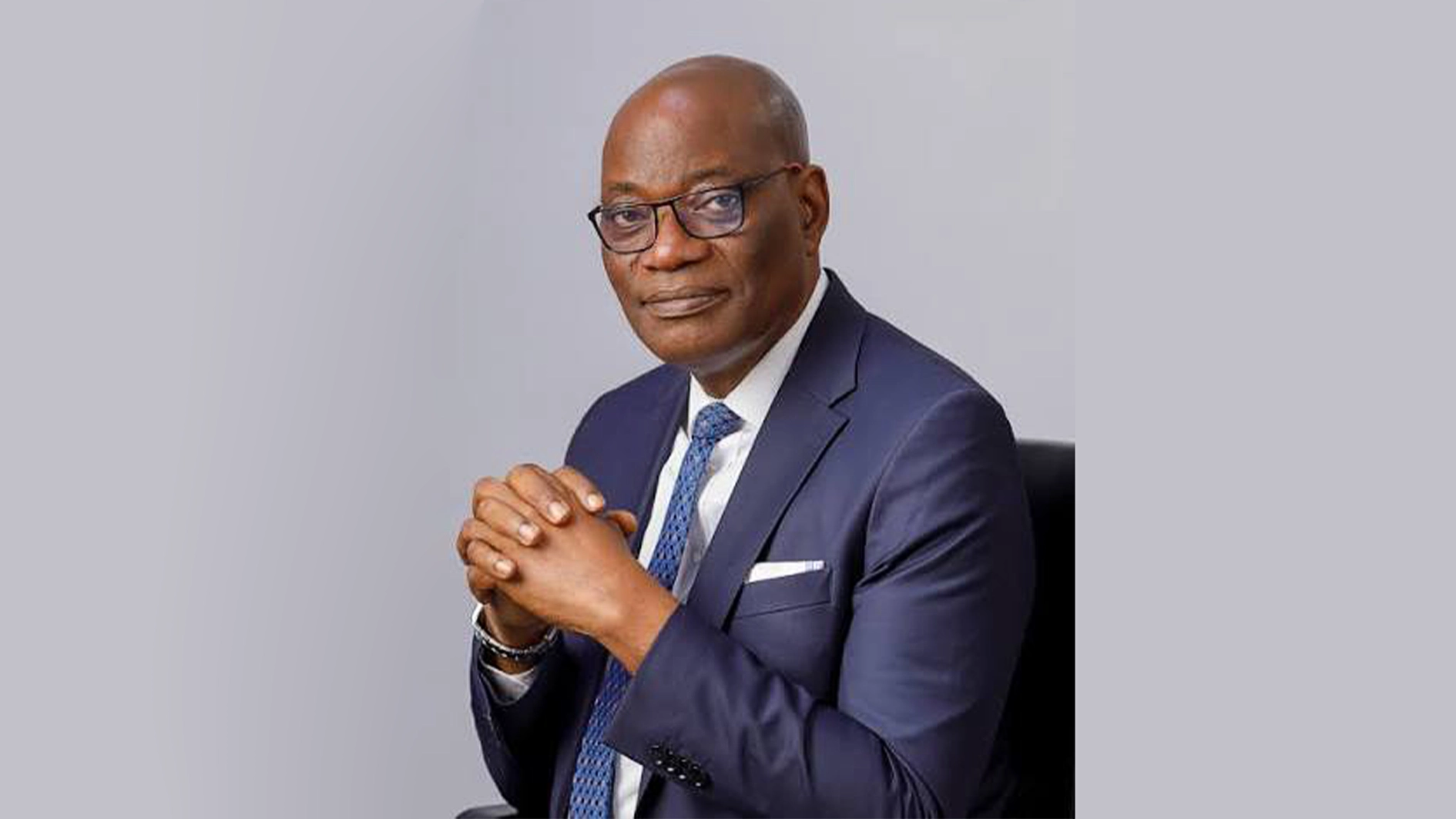
Former Vice Chancellor, University of Lagos, Professor Oluwatoyin Temitayo Ogundipe, on Thursday underscored the need to harmonise the overlapping functions of the National Universities Commission (NUC) and other regulatory bodies in order to achieve functional education services in Nigeria’s tertiary institutions.
He said though the splitting of oversight responsibilities between NUC and regulatory bodies was necessary, it impedes effective functionality, growth, and imposes severe cost on universities, students and other stakeholders.
Ogundipe made this disclosure while delivering Osun State University (UNIOSUN) 16th Convocation Lecture in Osogbo themed: “Coping With Double Oversight: Harmonising The NUC and Professional Bodies for A Sustenable University System.”
He stated, “I have argued today that Nigeria’s system of dual oversight: split between the NUC and professional regulators is a structurally necessary yet operationally dysfunctional feature of our higher education landscape.
“It is necessary because academic quality and professional readiness require distinct expertise. It is dysfunctional because these systems remain unharmonized, imposing severe costs on universities, students, professional sectors, and national growth.”
Ogundipe, who is also the chairman, Governing Board of NUC noted that the fulcrum of his lecture was to interrogate whether Nigeria does not need less regulation of university education or better regulation.

The don stated, “Quality assurance must remain non-negotiable, but it becomes counterproductive when multiple regulators exercise overlapping mandates, impose inconsistent requirements, duplicate processes, and leave universities and students to bear the consequences.
“The objective should therefore not be to weaken either the NUC or professional bodies, but to clarify their respective roles, make them mutually reinforcing, and place the student and the public interest at the centre of the regulatory architecture.
“As a university administrator who has served at departmental, faculty, postgraduate, academic planning and senior management levels, I have learnt that regulation succeeds only when it is predictable, transparent, proportionate and developmental.”
Ogundipe further contended that a university cannot build enduring quality on a permanent state of regulatory anxiety, saying “professional competence cannot be guaranteed by a university degree alone in fields where society entrusts practitioners with life, safety, justice and public infrastructure.
He also argued that “”foundation of lasting harmonisation must be legal and policy clarity. The NUC and professional bodies should, within their respective statutory mandates, agree a clear division of responsibilities.
“The NUC should retain primary responsibility for the academic integrity and system-wide quality assurance of university programmes, while professional bodies should retain responsibility for professional competence, registration and practice standards.
“Where professional requirements affect programme design, the professional body should be a formal stakeholder in curriculum development and review without creating avoidable duplication of institutional accreditation.”
Ogundipe, however, listed antidotes to address dual oversight challenges to include among others the establishment of a National Task Group, led by the NUC, professional regulators, and university representatives to map overlapping program requirements nationwide.
“The Committee of Vice-Chancellors of Nigerian Universities has an important role to play in advocating, with a unified voice, fo the administrative reforms that has been outlined. Too often individual universities negotiate separately with regulatory bodie leading to inconsistent outcomes and missed opportunities system-wide reform, “he posited.

