 Follow Us on Google News
 Follow Us on Google Discover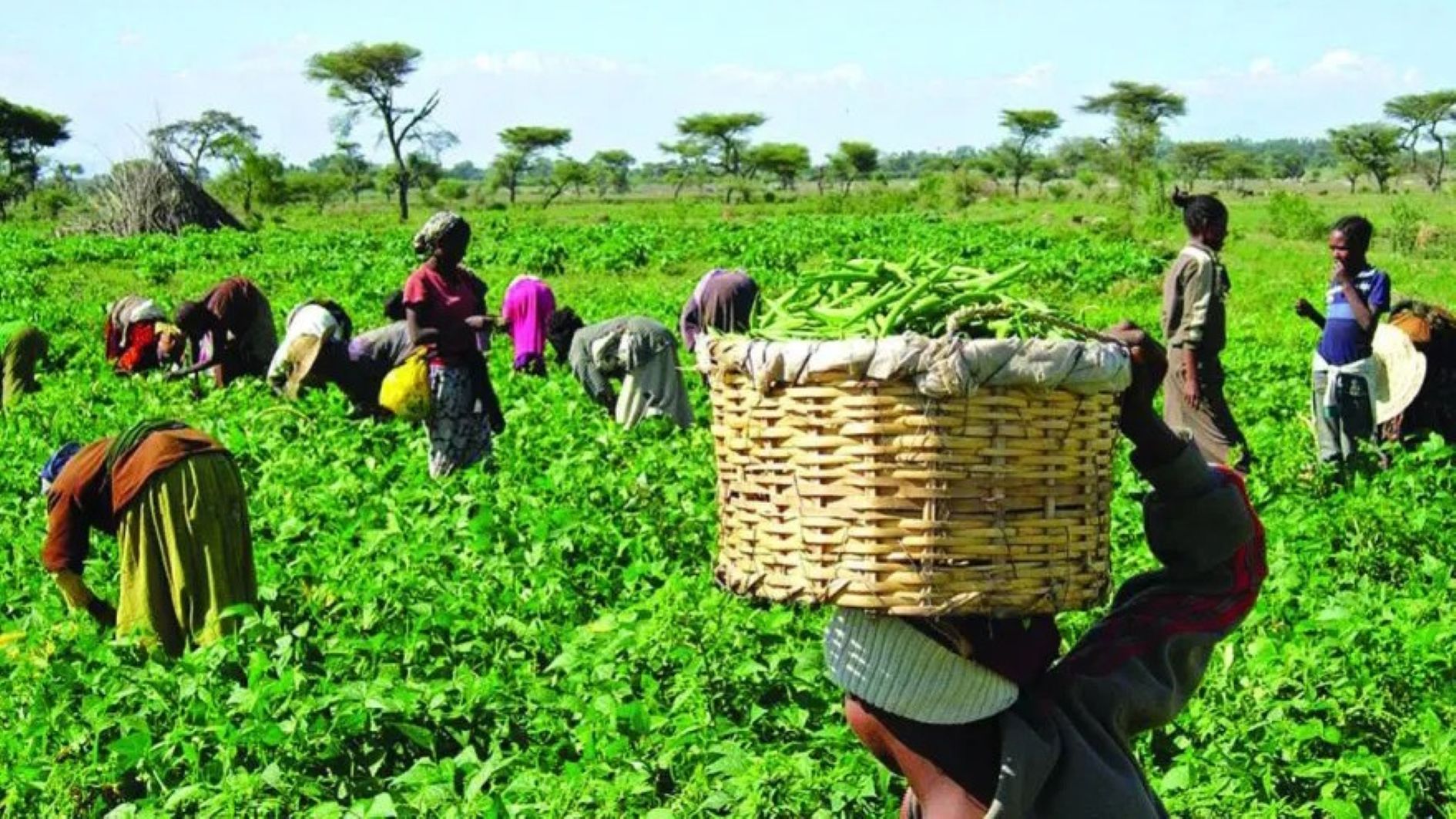
For decades, Nigeria has continued to produce more of some agricultural products beyond its domestic demands. This supposed blessing turned out otherwise as a result of mixed factors, including poor storage, limited processing capacity, and underdeveloped infrastructure.
In 2023, a report published by Foundation for Investigative Journalism (FIJ), Nigeria highlighted how agricultural abundance in Africa’s most populous country is birthing surplus, only for much of it to later become waste. The report delves into how resourceful trees in Osun State, Southwest Nigeria, produce excessive mangoes beyond local consumption.
The cost? How much of those resources will spoil before they can generate lasting value? That failure is not just a loss of food. It exposes a missed opportunity that spans industrious creativity, job creation, and stronger foreign exchange.
Through political will and serious investments from private investors, this article posits some icebreakers that could unlock economic growth in the country
Nigeria’s Wastage Burdens
Apart from being the top contributor of cassava and yams all over the world, Nigeria is a major producer of fruits such as mangoes, oranges, pineapples, and more, indicating that the country’s agricultural strength is apparent.
Data places Nigeria in the top-nine global ranking as the highest producer of mangoes, with a staggering total of 850,000 metric tons per year. In 2021, the former Permanent Secretary, Federal Ministry of Trade and Investment, Nasir Sani-Gwarzo, encouraged Osun farmers to restrategise their production capacity in a bid to meet global demands. In addition, the former administration of Osun signed a Memorandum of Understanding (MoU) with the International Institute of Tropical Agriculture (IITA) to take advantage of the state’s agricultural blessing.

Despite the testimonies, several reports have chronicle Nigeria’s large-scale post-harvest losses amid rising food insecurity. Also, estimates by the Food and Agriculture Organisation (FAO), including local studies, place post-harvest losses for perishable farm produce between 20 and 40 per cent across the country.
The reason for the above data is not far-fetched. Inadequate cold chains, weak aggregation systems, and limited processing facilities are causative factors. Beyond the figure lies a direct story. Every ton lost is an unrealised income for farmers, processors, and the wider economy.
Beyond the startling losses, experts warned that harsh bottlenecks, coupled with logistics infrastructural setbacks, remained critical hurdles, hitting at the nerves of investment and policy actions in Nigeria.
The Pathfinder
To address this historical wastage, immediate actions must be directed towards stable beverage manufacturing investments. Nigeria possesses the potential to produce liquid products. Intentional plans are what the country needs in order to cash out on surplus fruits, milk, and starches. From fruit juices to dairy-based drinks, bottled water, and malt beverages, serious investment in the beverage value chain offers one of the most convincing paths to reduce post-harvest losses while driving inclusive economic growth.
Efficient storage before transportation to the necessary destinations proves more beneficial than raw produce. This is an indicator that sustainable processing facilities have strong potential to convert perishable output into stable and higher-margin goods, resulting in longer shelf life and export potential.
Ripe mangoes that take a snail’s pace before reaching urban markets can be turned into puree or concentrates. This will sharply boost commercial life, enabling steady supply to factories and retailers.
Analysts, including researchers, argued that value addition raises agriculture’s contribution to Gross Domestic Product (GDP) by shifting revenue from low-margin raw sales to higher-margin manufactured goods, pointing to the fact that the macroeconomic benefits are tangible.
Beverage factories create jobs at multiple skill levels. Farm workers, drivers and logistics staff, factory line workers, quality-control technicians, packaging workers and sales teams each of them is empowered for steady supply. Beverage investments also unlocked another opportunity for Small and Medium Enterprises (SMEs), creating a new workforce for bottle manufacturers, labelling firms, and distribution platforms.
For regions facing high youth unemployment, these are direct pathways to sustainable jobs. A productive juice processing plant can empower hundreds of people directly and support thousands indirectly through farming and logistics. The shift will also strengthen export capacity, drawing foreign exchange earnings. This is because concentrates and aseptic-packaged juices tend to travel more cheaply and reliably than fresh fruit.
Under the African Continental Free Trade Area (AfCFTA)), improved standards could widen pan-African distribution, as export-grade branding is positioned to capture premiums abroad. This is a significant opportunity for producers to reach regional markets, including the Nigerian diaspora in Europe, North America, and other parts of the world.
What Is Next?
To achieve the above objectives, decisive financial support to strengthen raw processing capacity is critical. Many entrepreneurs lack access to capital to purchase the necessary facilities. For smallholder farmers, access to that equipment is a distant hope. This is because high interest rates and short repayment periods continue to frustrate equipment purchasing power for the individuals who seek it.
With erratic power supply plaguing Nigeria, another move to bridge the gap is solar-powered refrigerated storage facilities, coupled with improved rural road links to reduce spoilage. Friendly public policy to attract investors is never an option, either. Tax relief for greenfield beverage plants, light duties on specialised equipment for a limited window, and allocation of land for agro-processing clusters with utilities are important in eliminating entry barriers.
To attract external consumers, the country must convince the outside world through its standards and quality control, as sanitary and phytosanitary requirements are non-negotiable for domestic safety and export validation. This is why significant investment in laboratory testing, certification programmes, and training for quality assurance poses a high possibility of reducing product rejection while enhancing local brand reputation.
Before attempting to satisfy external needs, Nigeria must meet its internal consumption. This is a case where social marketing, such as distribution partnerships, is necessary. We can place products in schools, hospitals, and government feeding programmes, creating reliable early buyers and scaling production.
Typical examples have already put the country in the driver’s seat. Nigerian firms have turned surplus cassava into starch and sweeteners for local and industrial use. They have proven that primary commodities can underpin downstream industries.
Juice processors that partner with smallholder outgrowers provide seedlings, agronomy support, and guaranteed offtake. This has stabilised farmers’ incomes while securing factory supply. For example, the Benue State Government pledges to leverage agriculture in cutting Nigeria’s N68b import bill on fruit concentrates. In dairy, cooperative milk collection systems paired with pasteurisation plants have reduced spoilage and boosted local milk markets in several states.
In Kano State, a government body handed over 98 milk collection centres to management committees across the 30 local council areas of the state in 2026. This is aimed at improving dairy production and strengthening the livestock value chain. Similar facilities have been delivered to the state earlier, targeted to address Nigeria’s historical yearly $1.3b dairy import deficit.
One of the direct results is Go-Fresh Mango Flavoured Drink, produced in Kano and being supplied across many states of Northern Nigeria like Sokoto. As the above scenarios revealed, public–private partnership is a practical way to mobilise the large upfront capital needed for cold chains and processing parks.
Nigeria’s agricultural potential has long been suffocated by failure to convert surpluses into sustained income streams. With serious investments in rethinking the country’s agricultural outlooks, experts advised that the beverage industry presents a meaningful economic opportunity.
Mashood is a fellow at Ominira Initiative’s Free Trade Fellowship

