 Follow Us on Google News
 Follow Us on Google Discover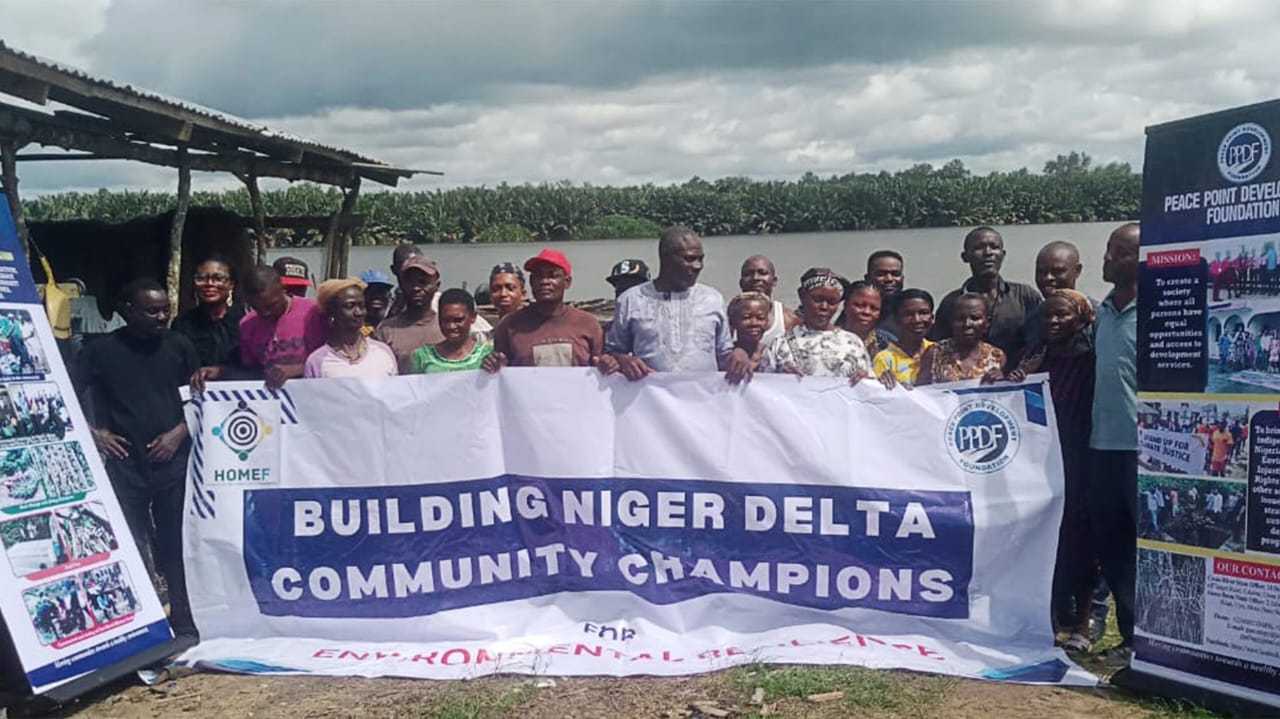
Fishing communities in Cross River State have been urged to build resilience and prepare for possible environmental and livelihood challenges associated with oil exploration as the state moves towards commencement of petroleum activities.
The call was made at the weekend during a training for fishers, youths and community leaders at Esuk Atu Beach, Calabar Municipality, organised by Health of Mother Earth Foundation (HOMEF) in partnership with Peace Point Development Foundation (PPDF).
Coordinator of PPDF, Umo Isua-Ikoh, said the training was part of the “Building Community Rights Defenders in the Niger Delta” project, aimed at helping communities identify and collectively address challenges affecting their livelihoods and environment.
Isua-Ikoh said communities in the Niger Delta were already experiencing common challenges, including insecurity, declining fish catches and environmental degradation, adding that Cross River communities needed to prepare for the possible impact of oil exploration.
He said while oil production was yet to commence in Cross River, communities should learn from the experiences of neighbouring oil-producing states and develop strategies to protect their environment and livelihoods.
According to him, the project, which will run for one year, will also bring together communities in Esuk Atu, Cross River State, and Esuk Atu in Akwa Ibom State for exchange visits, sharing of experiences and development of community-based solutions.

Facilitator of the training, an environmentalist, Idongesit Essien, identified pollution, destruction of mangroves by nipa palm, traditional fish-smoking methods and climate change among the challenges confronting fishing communities.
Essien said pollution from mining activities and offshore oil production was affecting aquatic ecosystems, while the spread of nipa palm had taken over mangrove areas where fish breed, contributing to declining catches.
He also warned that smoke from traditional methods of fish processing could pose health risks to residents, urging communities to adopt safer and more sustainable practices.
He encouraged the fishers to document environmental problems and use storytelling, the media and other lawful advocacy methods to draw attention to issues affecting their communities rather than waiting solely for government intervention.
Essien said community members could organise themselves, petition relevant authorities and polluters, participate in public hearings, engage regulators and work with journalists and researchers to provide evidence of environmental changes.
Village Head of Essierebom Community, Calabar South, Obonganwan Elizabeth Eyo, commended the organisers for training fishermen and women on climate change, livelihoods and other environmental issues affecting their communities.
Obonganwan Eyo stated that the phase 1 of the project was implemented in the Essierebom community and Opolom Community in the Ibeno Local Government Area of Akwa Ibom State last year.
According to her, the 2 project communities benefited so much from the interventions especially the, stakeholders engagement and exchange visits which offer opportunities for fishers in the 2 states to share their experiences, network and build synergy.
“The project built and enhanced our advocacy capacity which we are currently using though we still expect more” HRH, Elizabeth Eyo stated.
She encouraged the phase 2 project community beneficiaries to take the intervention seriously as they stood to gain more from PPDF and HOMEF.

