 Follow Us on Google News
 Follow Us on Google Discover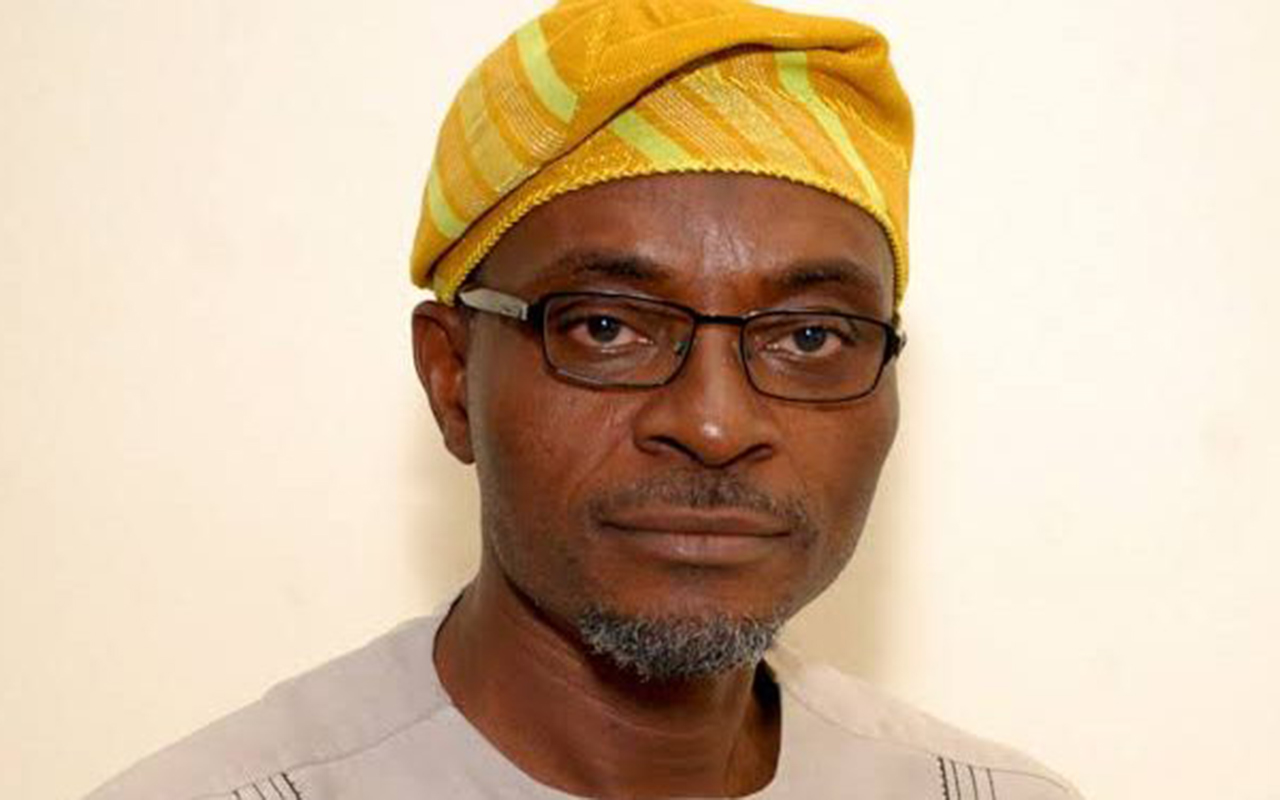
The Olowu of Owu Kingdom, Oba (Professor) Saka Matemilola, has said traditional leadership should complement Nigeria’s established political structure rather than compete with it.
Oba Matemilola made the submission while discussing the changing role of traditional institutions in Nigeria, especially their relationship with elected political authorities, security agencies, the judiciary and local communities, during a Toyin Falola Interview themed “Indigenous Education, Character Formation and the Making of Citizens.”
The interview, led by renowned historian and public intellectual Professor Toyin Falola, brought together a panel of scholars from diverse fields to examine the place of indigenous institutions in contemporary society. The panel included Professor Gabriel Olatunde Babawale; Professor Bridget Itunu Awosika, distinguished Professor of Home Economics at Adeyemi Federal University of Education; and Dr Olabimpe Olori Adeyemi, linguist, poet and chanter and lecturer in linguistics and Nigerian languages at the University of Ilorin.
The wide-ranging conversation explored indigenous education, character formation, citizenship, traditional institutions, culture, governance, religion, justice and community development, with the discussion on traditional leadership focusing particularly on how indigenous institutions can remain relevant while operating alongside Nigeria’s formal political structures.
Speaking on the place of traditional institutions in contemporary governance, Oba Matemilola said traditional rulers should work alongside the political structure rather than seek to replace it.
“I don’t see that as a threat to them at all because it’s complementary, it’s supporting them,” he said.

He argued that the proximity of traditional rulers to the grassroots gives them a distinctive understanding of the challenges confronting their communities.
“For those who really know their role and are playing their role, they are close to the grassroots. They know people in the various neighborhoods,” the Olowu said.
According to him, this grassroots connection enables traditional rulers to identify emerging problems quickly and communicate them to the relevant authorities.
“When there’s an issue, there’s a problem, for example, insecurity, they get to know very quickly,” he said.
He therefore identified security as one of the areas in which traditional rulers could make a significant contribution to national governance.
“So, when it comes to security issues, traditional rulers are very, very key to ensuring that we are able to stem the tide of insecurity that we have in this country,” Matemilola stated.
The monarch, however, maintained that such involvement should be properly defined within the country’s governance structure. He advocated formal recognition of the responsibilities of traditional rulers, alongside appropriate accountability.
“Our role is formally not just recognized but also given the right responsibility in the constitution and accountability in the constitution, such that we are able to benefit and complement the efforts of the established political structure that we have,” he said.
Beyond security, Matemilola identified alternative dispute resolution as another area where traditional institutions could support the formal machinery of government.
“ADR is another major area that can help with the judicial system. It can help free our judicial system,” he said.
He noted that traditional institutions could help resolve some disputes before they become prolonged court cases.
“There are a lot of backlogs of cases that judges are struggling with that can be resolved amicably in palaces,” he said.
The Olowu said the Owu Kingdom had developed its own alternative dispute resolution mechanism, which had been used to address disputes that had remained unresolved for many years.
He also linked the relevance of traditional institutions to their responsibility towards the communities they lead, stressing that the authority of a traditional ruler should not be interpreted as personal ownership of the community.
“We are supposed to be the father of our people,” he stated.
The monarch further emphasised the communal character of the palace, saying it should remain accessible to everyone irrespective of social, political or religious affiliation.
“The palace is not just for the Oba… it’s for the community,” he said.
He added, “The whole town owns, in fact, the Oba is a tenant.”
For Matemilola, the principle places an obligation on the traditional ruler to serve the entire community rather than a particular interest group.
His position also extended to the relationship between traditional institutions and partisan politics. While acknowledging that traditional rulers cannot completely separate themselves from issues of governance, he argued that they should not become partisan political actors.
“The reality is this: we cannot absorb ourselves from the politics of governance. However, partisanship is what must be avoided by traditional rulers. It must be,” he said.
He explained that traditional rulers occupy a position that requires them to serve people across political divides.
“When a monarch, a traditional ruler begins to carry the placard of a particular political party, then that person is ridiculing his stool and his people,” Matemilola said.
“So, again, we must avoid partisanship as traditional rulers,” he added.
The monarch further argued that traditional institutions could contribute to community development because of their knowledge of local needs and conditions. He maintained that traditional rulers should be involved in discussions about development priorities rather than being treated solely as ceremonial figures.
His position reflects his broader conception of traditional leadership as an institution of service. In another part of the interview, while discussing the conferment of traditional titles, Matemilola said leadership should be measured by the value individuals contribute to their communities.
“In my view, and the way it should be, becoming a traditional ruler, becoming a baale, becoming a chief is about service to the community and nothing more,” he said.
“It’s about service to your people,” he added.

