 Follow Us on Google News
 Follow Us on Google Discover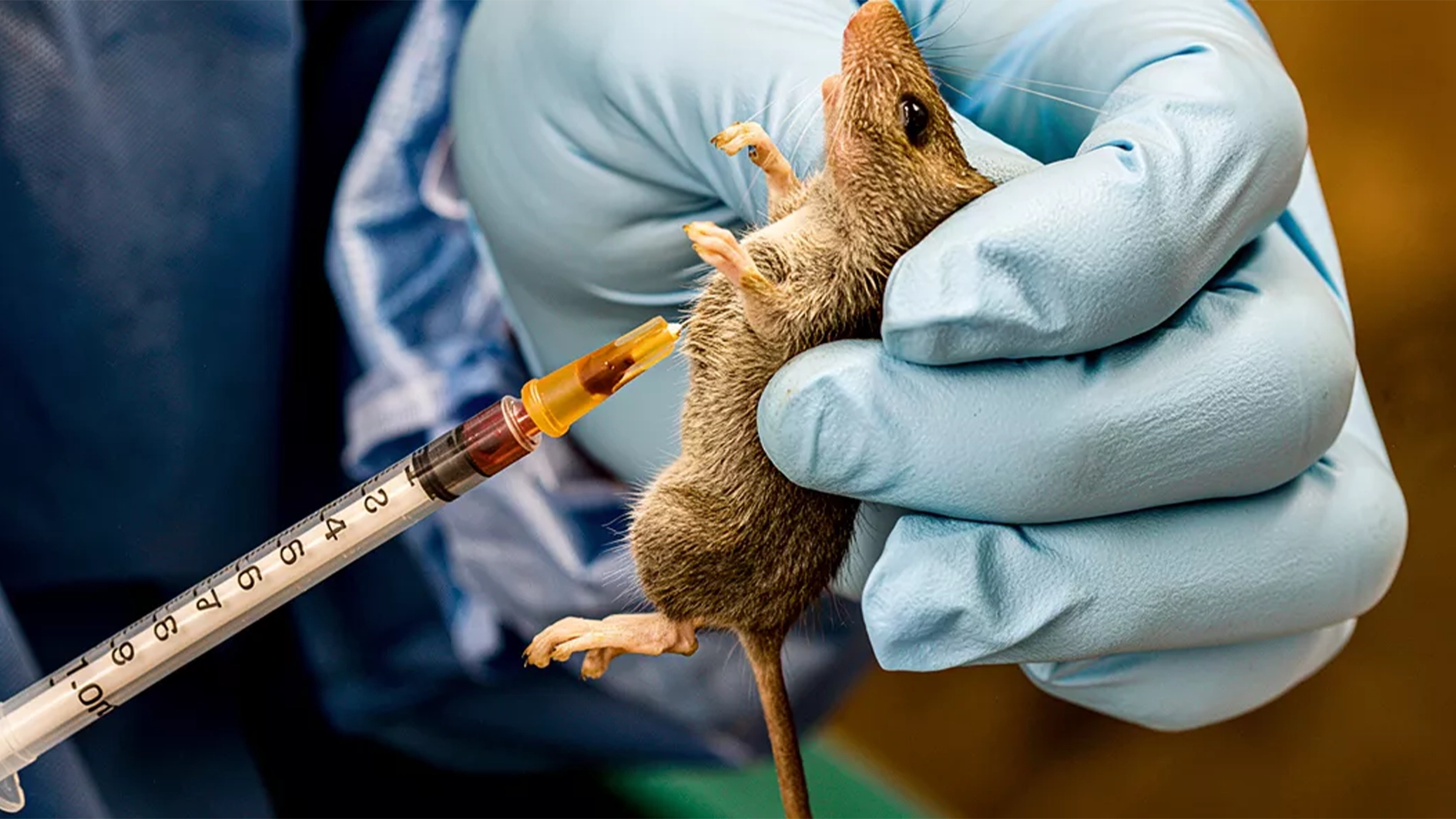
• Edo, Ondo, Bauchi, Taraba, Benue, Plateau worst affected
The United States Centres for Disease Control and Prevention (US CDC) has recorded 1,087 cases of Lassa fever and 259 deaths across 23 states and 111 Local Government Areas in Nigeria in 2026.
The agency said it was supporting emergency response efforts in some of the worst-affected states, including Edo, Ondo, Bauchi, Taraba, Benue and Plateau, stressing that stronger preparedness was critical to preventing localised outbreaks from developing into national health crises.
Senior Emergency Management Specialist at the US CDC, Dr Muhammad Saleh, told The Guardian that the agency had supported the training of 21 Nigerian clinicians in Lassa fever management, while healthcare professionals from other West African countries had also benefited from regional training programmes.
He said the intervention was particularly important in states such as Edo and Benue, where gaps in response commodities had been identified. The US CDC subsequently provided testing kits, medicines and other supplies, including infection prevention and control materials, to complement government efforts.
In Ondo State, Saleh said 10 laboratory experts had been trained to improve the speed of Lassa fever detection and testing.

He added that Nigeria was also strengthening preparedness against potential Ebola importation following the Ebola threat in the Democratic Republic of Congo.
According to him, preparedness drills had been conducted, laboratory systems tested and disease reporting mechanisms reviewed, while skilled personnel had been deployed to Abuja and Lagos airports to help identify potentially sick travellers.
He said the measures were designed to enable Nigeria to quickly identify and investigate any imported case before it developed into a wider outbreak.
Saleh cited Nigeria’s response to the 2014 Ebola outbreak as an example of the importance of early detection, investigation, contact tracing, isolation and quarantine.
On the recurring nature of disease outbreaks in Nigeria, he identified changing disease dynamics and behavioural factors as issues requiring sustained attention.
“For Lassa fever and diphtheria, there are some common preventive measures, particularly around hygiene,” he said.
“People should practise good hand hygiene by washing their hands regularly and using hand sanitiser where appropriate. Environmental sanitation is also important. In the case of Lassa fever, rodents can be attracted by improperly disposed waste. Keeping the environment clean and reducing conditions that attract rodents can therefore help reduce the risk of transmission.”
He urged Nigerians to avoid open defecation, dispose of refuse properly and prevent waste from accumulating in the environment. “Safe water and food practices are also important. People should consume clean and safe water and practise safe methods of food preparation. Collectively, these measures can reduce the likelihood of diseases spreading and help prevent disruptions to the healthcare system,” he said.
Saleh said the authorities and development partners were working to strengthen community awareness, surveillance, laboratory testing, contact tracing and rapid response, stressing that effective preparedness before an outbreak was critical to containing diseases.
He said preparedness was not limited to medicines and equipment, but also required written response plans, trained personnel, functional emergency operations centres, laboratory capacity and effective communication with communities.
Saleh advised households to maintain clean environments, practise hand hygiene, use safe water, prepare food safely and dispose of refuse properly.
He stressed that poor environmental sanitation could attract rodents associated with Lassa fever transmission.
“Everyone collectively should be on deck,” he said, stressing that effective preparedness required cooperation among government, healthcare workers, communities and development partners.
According to him, outbreak preparedness involves putting people, resources, medicines, laboratory equipment and emergency systems in place before a disease threat emerges, while response involves deploying those resources when an outbreak occurs.
“The common goal is to optimally achieve, you want to control a disease outbreak,” he said.
Saleh explained that early preparedness could determine whether an outbreak remained confined to a community or spread across states and became a national crisis.
He said Nigeria had strengthened its disease surveillance system through the Nigeria Centre for Disease Control and Prevention (NCDC), which receives outbreak information from the 36 states and the Federal Capital Territory, as well as local government areas.
The system, he explained, enables health authorities to detect diseases, investigate suspected cases, deploy rapid response teams and provide laboratory confirmation, while risk communication helps counter misinformation and encourage affected persons to seek medical attention early.
Saleh said the importance of preparedness extended beyond controlling diseases, as outbreaks could disrupt routine healthcare services. He cited vaccination, malaria treatment, antenatal care and dialysis among essential services that must continue during major public health emergencies.
“When we talk about disease outbreak preparedness and response, we are referring to the planning processes and actions taken by countries to prepare for public health emergencies before they occur and to ensure that, when they do occur, the country can respond effectively,” he said.
“Preparedness involves anticipating a potential threat and putting systems, people and resources in place before an emergency occurs. This includes deploying emergency medicines, supplies and laboratory equipment to the field, training personnel and ensuring that the necessary infrastructure is available.
“When an outbreak occurs, those measures that were put in place during the preparedness phase are activated. The trained workforce is deployed to the affected areas, emergency medicines and supplies are utilised, and the response systems are put into operation.
“The common goal of both preparedness and response is to achieve optimal control of a disease outbreak. The ultimate objective is to protect lives, minimise illness, prevent deaths and reduce misinformation within communities. It is also important to minimise the social and economic disruptions that disease outbreaks can cause.”
Saleh said countries needed strong preparedness plans because outbreaks often begin in small, localised settings, adding that effective preparedness and response measures could prevent them from developing into major public health crises.

