 Follow Us on Google News
 Follow Us on Google Discover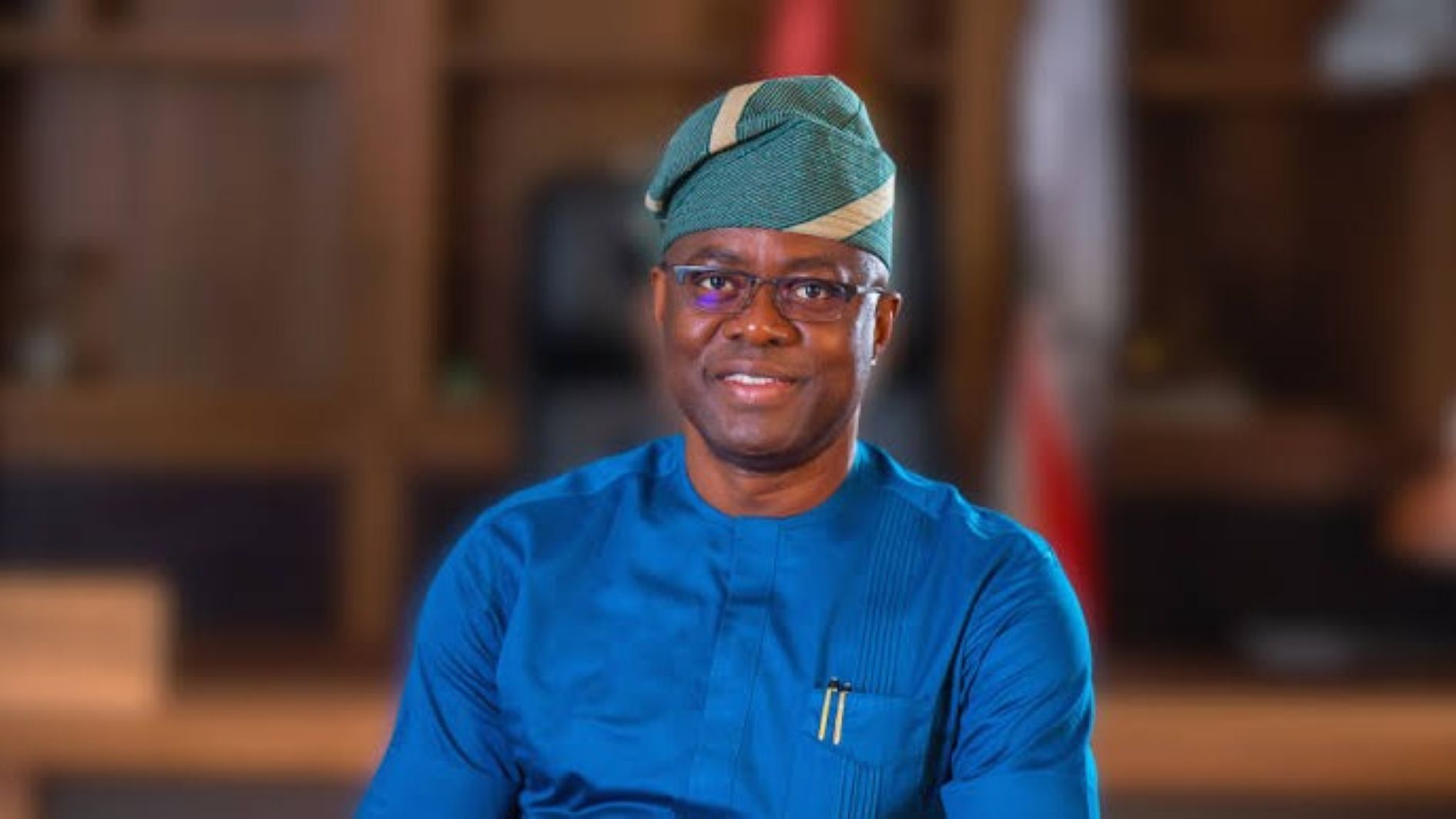
The Makinde/Daura Presidential Campaign Organisation has criticised President Bola Ahmed Tinubu’s 66th Independence Day address, describing it as a rhetorical exercise that failed to offer concrete solutions to Nigeria’s economic hardship, poverty and insecurity.
In a statement issued yesterday by its Director of Strategic Communications, Richard Ihediwa, the campaign organisation said the President’s address lacked specific, measurable and binding commitments that would enable Nigerians to hold the administration accountable for its handling of the country’s major challenges.
The criticism followed President Tinubu’s nationwide broadcast on Thursday to mark Nigeria’s 66th Independence anniversary, in which he defended his administration’s economic reforms and said the country had moved from the phase of difficult adjustments to one focused on shared prosperity.
Tinubu said the reforms had confronted longstanding weaknesses in the economy, insisting that they had not created the country’s economic problems.
He cited economic growth of more than four per cent, declining inflation, improved foreign exchange stability, rebuilt foreign reserves and increased non-oil exports as evidence that the economy was recovering.
The President also said the government’s priority had shifted towards lowering the cost of living, increasing production, creating jobs and expanding support for vulnerable Nigerians.

However, the Makinde campaign rejected the President’s assessment, arguing that the address did not adequately respond to the hardship being experienced by Nigerians.
It said: “It is indeed disappointing that the President’s address failed to present specific, measurable and binding economy and security policy commitments for which Nigerians can hold him accountable. Instead, the speech remained vague and failed to provide concrete answers or direction on major national issues.”
The organisation also challenged the President’s assertion that his reforms did not weaken the economy, contending that the removal of petrol subsidy and the floating of the naira had resulted in a sharp increase in the cost of living and weakened citizens’ purchasing power.
According to the campaign, the increase in the price of petrol, foreign exchange pressures, high transportation costs and rising prices of food, healthcare and other essential goods had placed considerable pressure on households and businesses.
It further alleged that the reforms had contributed to the closure of businesses and the exit of some multinational companies from Nigeria.
The campaign also faulted the administration over what it described as inadequate attention to infrastructure, agriculture, industrialisation and local manufacturing, while questioning the government’s continued reliance on foreign borrowing.
On insecurity, the organisation said the President’s address failed to sufficiently reassure communities affected by killings, abductions and other violent crimes.
“It is saddening that the Independence Day speech had no soothing or reassuring words to millions of Nigerian families and communities who are victims of the daily killings, maiming and abductions going on under the APC administration,” it said.
The campaign argued that Nigerians required leadership that would take responsibility for the country’s challenges and deliver measurable results.
It subsequently called for support for the presidential candidate of the Allied Peoples Movement (APM), Seyi Makinde, whom it said had demonstrated the capacity and commitment to “Reset Nigeria” and guarantee the security and welfare of citizens.
The organisation urged Nigerians not to despair, but to use their votes to seek a change of government at the 2027 general election.
President Tinubu, had however, said in his Independence Day address that Nigeria had reached a turning point after three years of economic reforms.
“The emergency treatment is over. The foundation has been repaired,” he said, adding that the government’s central economic task had shifted from correcting the nation’s economic course to achieving “shared and widespread prosperity.”
The President acknowledged that millions of Nigerians were still struggling with food, school fees, medical bills and transportation costs, but attributed the difficulties to a combination of longstanding structural weaknesses and decades of inadequate infrastructure and opportunity.
He said the government was strengthening direct support for vulnerable households and improving the National Social Register, while also expanding access to higher education through the Nigerian Education Loan Fund.

