 Follow Us on Google News
 Follow Us on Google Discover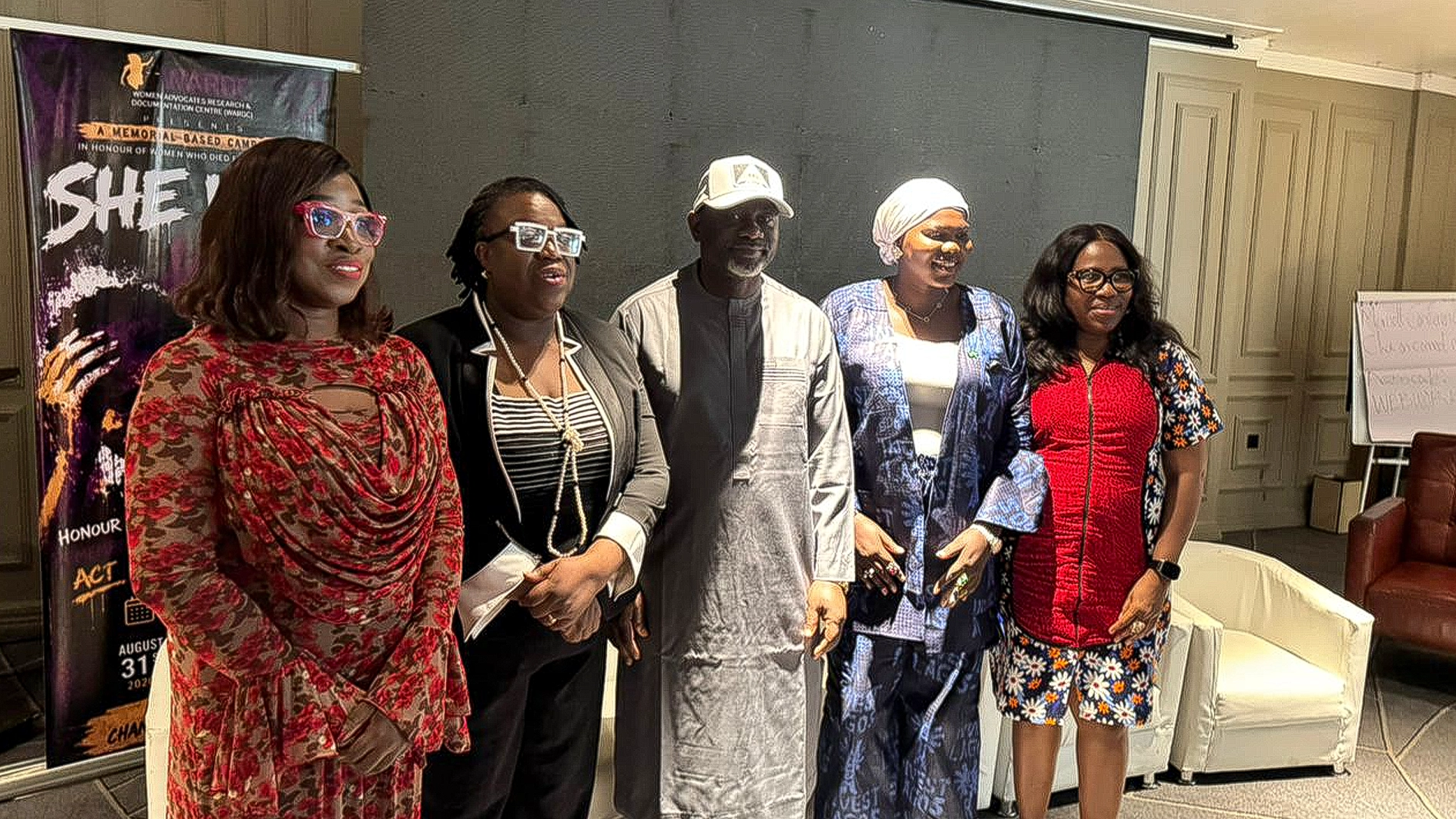
Women-owned businesses in Nigeria have less access to formal finance despite recording lower loan default rates and a stronger tendency to create jobs, Lead, Market Research, Moniepoint Inc., Sophia Ukoni, has said.
Ukoni disclosed this at the 2026 Women Entrepreneurs and Executives in Tech Summit (WEETS), where she presented a paper titled, ‘Empowering Women Through Financial Technology: How Moniepoint is Transforming and Supporting Women-Owned Businesses’.
Drawing on data from the Moniepoint 2025 Impact Report and Moniepoint 2025 Informal Economy Report, she said women-owned businesses accounted for a significant share of Nigeria’s entrepreneurial ecosystem but continued to face structural barriers to accessing finance needed for growth and expansion.
“Women own one in three businesses in Nigeria,” Ukoni said, adding that women accounted for 33 per cent of the country’s MSMEs and 35 per cent of informal businesses.
She said women-owned businesses also demonstrated a significant capacity for job creation, with 39 per cent of women-owned informal businesses employing staff, compared with 36 per cent of male-owned businesses.
“In short: women own a third of Nigeria’s businesses and they are more likely than men to create jobs,” she said.
Ukoni also highlighted the dominance of women in several segments of the informal economy, particularly businesses linked to everyday consumption.
She said women owned 86.8 per cent of informal accommodation and food services businesses and accounted for 55.9 per cent of participants in wholesale and retail trade.
“Women lead in food, hospitality and trade, the sectors that keep daily commerce running,” she said.
Despite their economic contribution, however, women remain disadvantaged in access to financial services.
Citing EFInA data, Ukoni said only 45 per cent of Nigerian women had access to financial services, compared with 56 per cent of men.
Globally, she added, women-owned MSMEs faced an estimated $1.9 trillion unmet financing need.
According to her, the barriers include unconscious bias among lenders, fewer women in financial leadership, limitations on asset ownership and inadequate awareness of funding opportunities.
“In short: women have less access to finance, so most fund their businesses from personal savings, and loans from family and friends,” she said.
The disparity is particularly pronounced in the size of loans accessed by women-owned businesses, she said, noting that women were only half as likely as men to obtain loans above N1 million.
Ukoni added that 41 per cent of women-owned informal businesses earned less than N10,000 in daily profit, compared with 34 per cent of male-owned businesses.
At the other end of the scale, only 10 per cent of women-owned businesses earned more than N50,000 in daily profit, compared with 16 per cent of male-owned businesses.
Yet women borrowers recorded lower default rates, with defaults among women reported to be 2.5 times lower than the baseline for men.
The Moniepoint research also showed that rising operating costs were eroding the ability of small businesses to save and reinvest.
Ukoni said 79 per cent of informal businesses reported that their operating costs had risen over the previous year, while 65 per cent recorded revenue growth.
“Many are selling more, 65 per cent saw revenue grow, but fewer than half saw profits rise,” she said.
Only 47 per cent of businesses recorded an increase in profits, while most businesses saved less than N50,000 monthly.
“The business is working hard, but very little is left over to reinvest,” she said.
She added that 42 per cent of informal businesses would run out of savings in less than a month if their income stopped, while only six per cent had received a loan above N1 million.
Against the financing constraints, Ukoni said Moniepoint had restructured its lending model to reflect the way small businesses operate.
She said fintech uses transaction data generated by businesses on its platform to assess their creditworthiness, rather than relying solely on conventional collateral and extensive paperwork.

