 Follow Us on Google News
 Follow Us on Google Discover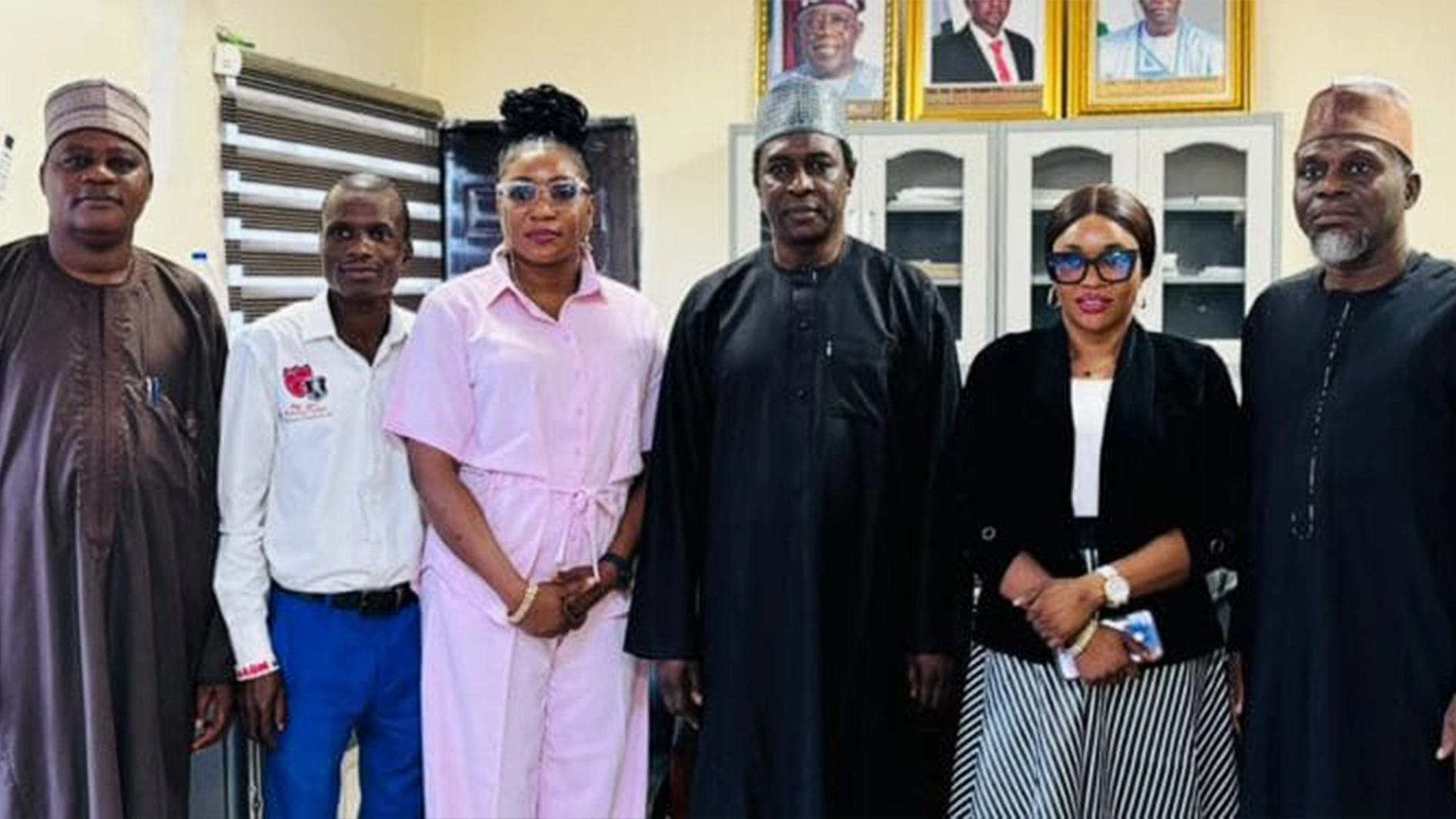
The Nigeria Hydrological Services Agency (NIHSA) has pledged to strengthen its partnership with environmental journalists to improve public awareness of flooding, water resources management, early warning systems and other hydrological risks threatening communities across the country.
The Director-General of NIHSA, Architect Umar Muhammed, made the commitment in Abuja when the newly elected Executive Council of the Environmental Media Correspondents Association of Nigeria (EMCAN), led by its Chairman, Joycelyn Adah, paid a courtesy visit to the agency.
Muhammed stressed the need for closer collaboration with the media, saying journalists remained critical to the agency’s efforts to ensure that timely and accurate information reached vulnerable communities, particularly during periods of flooding and other water-related emergencies.
He said effective management of Nigeria’s water resources was critical to preventing water scarcity, contamination and outbreaks of water-related diseases, warning that poor environmental management could have severe consequences for public health and the wellbeing of citizens.
“If you do not have a good environment and manage water resources, one day you wake up and you’d be shocked with what you see. Either you totally run out of water or you have no clean water,” he said.
The NIHSA boss also expressed concern over the increasing contamination of streams and other water bodies through human activities, saying pollution of water sources could expose communities to serious health risks.
He said the agency needed organisations such as EMCAN to bridge the communication gap between NIHSA and the public by ensuring that technical information on water resources, flood forecasts and early warning systems was translated into information that ordinary Nigerians could understand and act upon.
The Director-General’s position underscored the importance of environmental journalists in translating technical forecasts and hydrological data into actionable information for communities, especially those living in flood-prone areas.
Also speaking, NIHSA’s Special Assistant on Media, Yakub Aliyu, said the agency required greater publicity to enable Nigerians to understand its mandate and appreciate the importance of hydrological information in preventing disasters.
Aliyu said Nigeria was confronted by the twin challenges of water scarcity and excess water, including flooding, while contamination of water sources had emerged as another major concern.
He said human activities that pollute streams and other water bodies could increase the risk of diseases and other public health challenges, stressing the need for sustained public enlightenment.
According to him, NIHSA was interested in partnering with EMCAN on specialised training programmes that would equip journalists with the technical knowledge required to accurately report hydrological and environmental issues.
The training, he said, would help reporters understand the technical processes behind flood forecasting, water management and early warning systems, thereby improving the quality and usefulness of information reaching the public.
Technical Adviser to the Director-General, Stephen Jabo, also called for stronger collaboration between NIHSA and the media, particularly in publicising the agency’s Annual Flood Outlook.
Jabo said the agency’s work on water and land management directly affected millions of Nigerians but remained insufficiently known to the public because of inadequate publicity.
He urged media organisations, particularly environmental reporters, to liaise more closely with the agency’s press unit, participate in NIHSA programmes and help disseminate critical information on flooding and other water-related risks to communities.
He said improved media coverage would make NIHSA more visible while enabling Nigerians to better understand and benefit from its forecasts, warnings and other hydrological services.
Earlier, the newly elected Chairman of EMCAN, Adah, said the association considered NIHSA one of the critical agencies whose activities had direct implications for the safety and wellbeing of Nigerians.
She said environmental journalists had consistently reported the activities of the agency but were seeking to deepen the relationship under the association’s new leadership.
“As environmental journalists, we have been following and reporting the activities of NIHSA, but we want to do more,” Adah said.
She said NIHSA’s responsibilities in hydrology, flood forecasting, early warning systems and water resources management made the agency a critical partner for environmental journalists.
Adah said EMCAN would prioritise capacity building for its members, particularly journalists covering technical sectors, noting that reporters needed a clear understanding of the mandates, operations and technical language of government agencies to provide accurate and meaningful coverage.
She proposed a structured partnership between EMCAN and NIHSA, saying closer interaction would give journalists first-hand knowledge of the agency’s activities and enable them to communicate its work more effectively to Nigerians.
“We believe that when our members understand the work first-hand, they are better positioned to tell the NIHSA story accurately and effectively,” she said.
The association also formally informed NIHSA of its plans to cover the 31st Conference of the Parties, COP31, scheduled to hold in Türkiye, and appealed to the agency to support the participation of two or three of its members.
Adah said the association had already commenced efforts to raise funds for the trip but was seeking support from relevant government agencies and environmental organisations to strengthen the representation of Nigerian environmental journalists at the global climate conference.
Both organisations expressed optimism that the engagement would mark the beginning of a stronger and sustained relationship focused on public enlightenment, professional development, early warning dissemination and improved reporting of Nigeria’s water and environmental challenges.

