 Follow Us on Google News
 Follow Us on Google Discover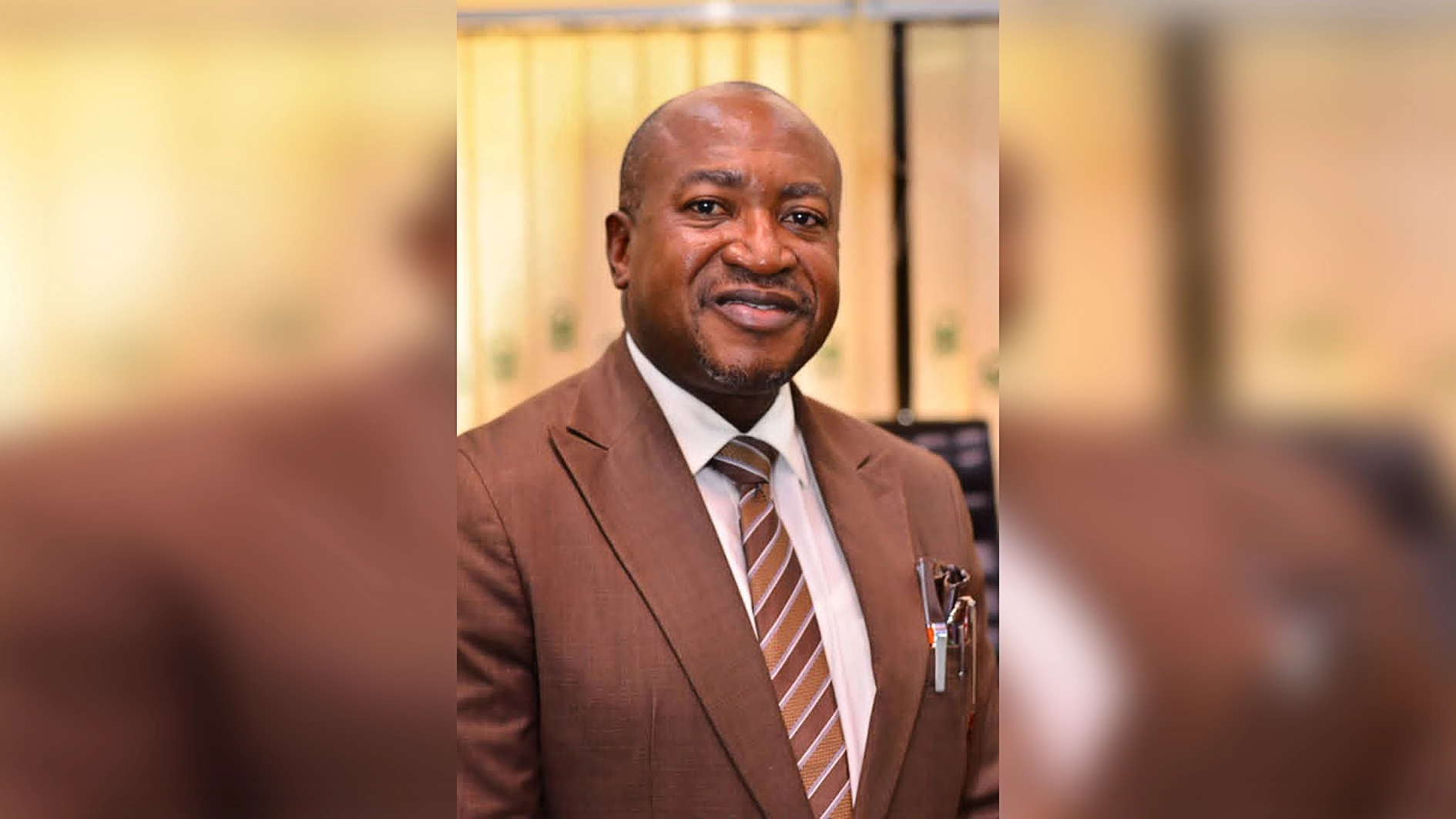
The Vice Chancellor, University of Abuja, Prof. Hakeem Fawehinmi, has challenged Nigerian geographers to maximise emerging technologies, including artificial intelligence, satellite imagery and geospatial systems, to address the country’s development challenges.
Fawehinmi gave the charge on Tuesday while declaring open the 66th Annual Conference of the Association of Nigerian Geographers (ANG), held in collaboration with the Commonwealth Geographical Bureau (CGB) at the University of Abuja.
The hybrid conference, themed, “Digital Transition, Sustainable Development and the Evolving Dynamics of Geography in the 21st Century,” brought together geographers, academics and practitioners from universities and institutions across the country.
Represented by the Deputy Vice-Chancellor (Administration), Professor Muhammad Ndagi, Fawehinmi described the 66-year journey of the Association as a significant achievement, noting that the conference provided an opportunity to examine how far the discipline had evolved and its role in solving contemporary challenges.
According to him, geography has moved beyond traditional approaches, with modern practitioners now having access to sophisticated instruments and technologies that were unavailable to the founders of the association.
“I am particularly interested in how modern geography is dealing with advances in instrumentation, satellite imagery, remote sensing, geospatial data systems and increasingly computational and AI-assisted analysis,” he said.
The V-C said the emergence of these technologies had placed contemporary geographers in a privileged position to generate knowledge and solutions capable of driving sustainable development.
He urged participants to use the conference to examine how the opportunities provided by digital transformation could be translated into practical interventions for Nigeria’s development.
“I dare say that geographers of this generation are blessed with what the association’s founders in its earliest years could not have had access to, or perhaps even dreamt of,” the Vice Chancellor said.
He stressed the importance of equipping scholars and practitioners with the knowledge and skills required to take advantage of the rapidly changing technological landscape.
Fawehinmi also reaffirmed the university’s commitment to building a 21st-century institution, saying all academic units, including the Department of Geography, must be part of the transformation.
He described geography as one of the most important disciplines in the modern world, given its relevance to understanding human settlements, the environment, resources and spatial development.
The Vice-Chancellor expressed appreciation to the Association of Nigerian Geographers for choosing the University to host the conference, particularly as the institution continues to strengthen its Faculty of Geography and Atmospheric Sciences.
He said the university was delighted to host scholars from across Nigeria and expressed hope that the conference would produce useful insights capable of strengthening both the discipline and the association.
In his presidential address, President, Association of Nigerian Geographers, Prof. Phillip Phil-Eze, urged geographers to embrace digital technology, artificial intelligence and geospatial tools to remain relevant in tackling Nigeria’s environmental and development challenges.
Phil-Eze, who until recently served as Managing Director and Chief Executive Officer of the Anambra State Erosion, Watershed and Climate Change Agency, said his experience working with communities exposed the urgent need to bridge the knowledge gap in managing erosion and other environmental threats.
The President emphasised that many environmental problems could be tackled earlier if communities had access to the right knowledge and were properly guided by experts.
“I visited communities and interacted with geographers around them, and I saw a lacuna. There are certain things people should be doing to arrest erosion and other environmental challenges at an early stage, but lack of knowledge and awareness has been a major problem,” he said.
The geographer said the rapid advancement of digital technology had transformed the discipline, allowing professionals to study and connect different locations without necessarily being physically present.
He explained that the essence of modern geography was not merely the technology used to collect information but the ability to analyse how data differs from one location to another.
Phil-Eze also called for the rebranding of geography, warning that the continued perception of the discipline as merely the study of maps, rivers, cities, states and capitals was contributing to declining interest in the subject.
“That is ancient geography,” he said, stressing that modern geography had become central to environmental management, climate change, urban planning, sustainable development and other critical areas.
He introduced the concept of “geo-evangelisation”, which he described as the deliberate dissemination of geographical knowledge to create public awareness and demonstrate how the discipline could be deployed to solve societal problems.
According to him, geographers must take the message beyond classrooms and academic conferences by helping communities, policymakers and other professionals understand the practical value of geographical knowledge.
Earlier, the Dean, Faculty, Geography and Atmospheric Sciences, University of Abuja, Prof. Shuaibu Hassan, said the conference would provide a platform for geographers, researchers, policymakers and other stakeholders to examine the changing face of the discipline and its growing relevance to Nigeria’s development challenges.
He said the rapid advancement of digital technology had created new opportunities for geographers to generate, analyse and deploy spatial data in addressing issues ranging from climate change and environmental degradation to urbanisation, disaster management and sustainable development.
Hassan stressed the need for stronger collaboration between academia, government and communities to ensure that geographical knowledge was translated into practical solutions.
He said geographers could no longer remain confined to classrooms and research institutions but must increasingly deploy modern tools, including Geographic Information Systems, remote sensing and other digital technologies, to support evidence-based planning and help communities respond to emerging environmental and development challenges.

