 Follow Us on Google News
 Follow Us on Google Discover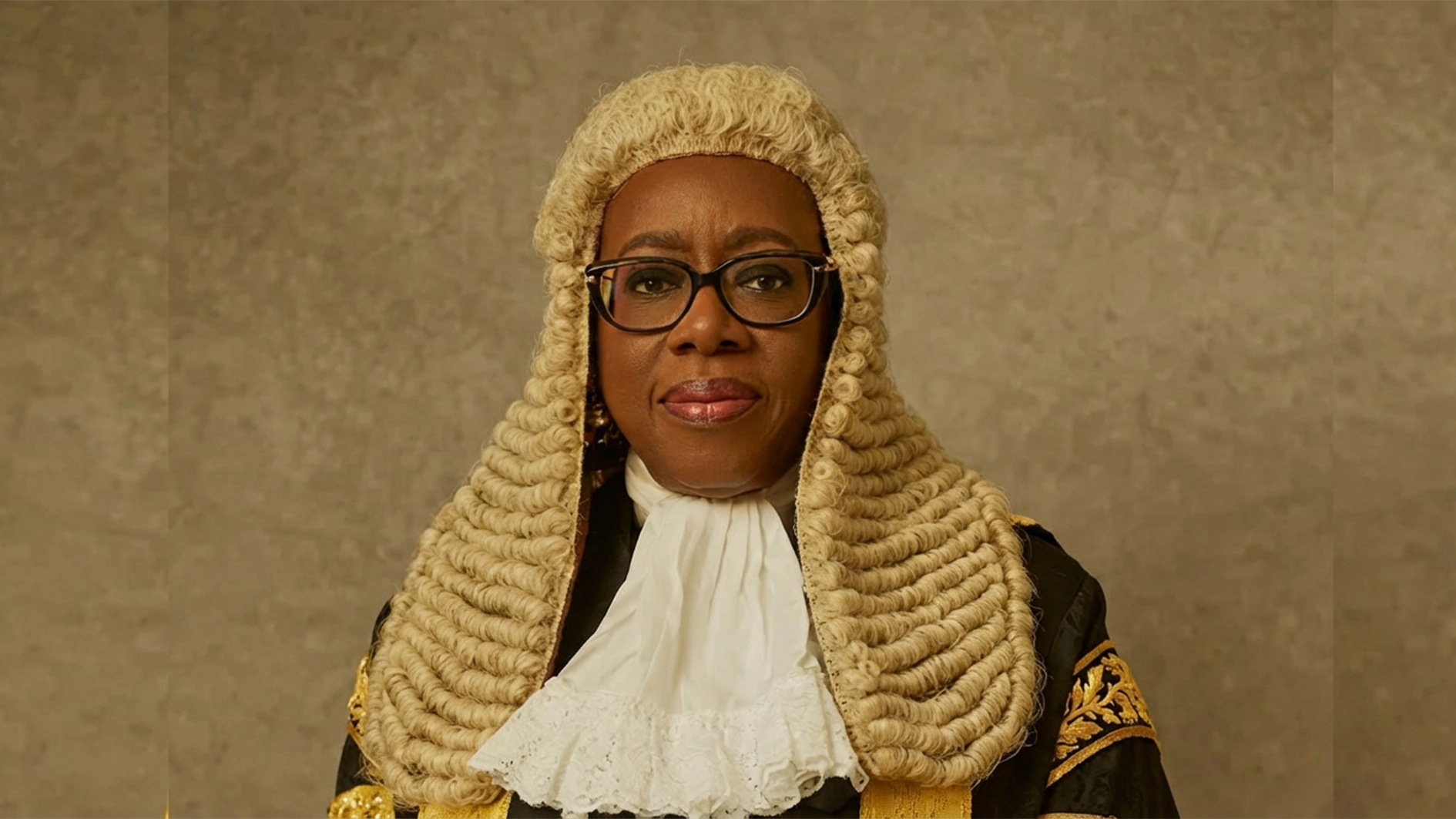
Stakeholders seek improved funding for non-custodial sentencing, others
The Chief Justice of Nigeria (CJN), Justice Kudirat Kekere-Ekun, has stressed the need for restraint in public commentary by legal practitioners, stating that lawyers’ right to criticise judgments or proceedings should not be exploited to malign judges or misrepresent proceedings to tilt public opinion against the court.
Describing lawyers as indispensable partners in the administration of justice, she emphasised that “where there are genuine concerns about judicial conduct, the appropriate institutional channels remain available and should be used.”
In another development, stakeholders in the criminal justice sector have described the Nigerian Correctional Service (NCoS) Act 2019 as a critical shift from punitive incarceration to restorative justice, and therefore called for increased funding and synergy to sustain the implementation of non-custodial measures.
Speaking at a policy dialogue in Abuja, the Controller-General of the NCoS, Sylvester Nwakuche, said the agency had successfully transitioned from mere policy formulation to practical implementation.
Nwakuche, who was represented by the Assistant Controller-General in charge of Non-Custodial Services, Timothy Dabit, noted that Section 37 of the Act empowered NCoS to effectively administer community service, probation, parole, and other viable alternatives to imprisonment.
The CJN spoke in Abuja yesterday at the commissioning of the National Industrial Court of Nigeria (NICN) headquarters building and at a special court marking the commencement of the court’s 2026/2027 legal year.
She also urged judges to be cautious in handling election tribunal cases and to refrain from conduct that could cast doubt on their integrity.
“Whether sitting in this court or performing a tribunal assignment, you must remain conscious that your conduct will be closely scrutinised,” she stated. “You must ensure that nothing in your associations, public engagements or other conduct creates a reasonable perception of political alignment or predisposition.”
The CJN also counselled lawyers to remain professional when handling political cases and warned them against engaging in forum shopping and other unethical conduct.
Meanwhile, Kekere-Ekun commended the leadership of the NICN for the successes so far recorded by the court. Urging the judges to remain committed to diligence, patience and intellectual discipline, she noted that “the volume of cases before a court can be demanding, but pressure must never become an excuse for impatience, discourtesy or inadequate attention to the matters placed before the court.”
Meanwhile, NICP President, Justice Benedict Kanyip, stressed the importance of the court in resolving labour disputes in the country, disclosing that over the past 12 months, a total of 2,236 cases were disposed of across the court’s judicial divisions, significantly cutting down its historic backlog.
In the meantime, criminologist and prisons reform expert, Dr Uju Agomoh, cautioned against focusing solely on the financial savings of decongesting custodial facilities, noting that non-custodial measures mitigate the severe psychological and systemic tolls associated with prolonged incarceration.
Beyond costs related to medication and activities within correctional centres, she listed coming into contact with other offenders and the possible consequences of prolonged exposure to the custodial environment as other costs.
Also speaking, the Project Manager for Criminal Justice Reform at the Rule of Law and Anti-Corruption (RoLAC Phase II) programme, Dr Oluwatoyin Badejogbin, stressed that sustaining institutional gains requires adequate budgetary allocation.
Badejogbin, whose initiative is funded by the European Union and implemented by International IDEA, recalled that past interventions to address prison congestion, including those initiated under the Olusegun Obasanjo administration, largely failed despite heavy investments.
Similarly, Board Chair of PRAWA, Chris Enenya, noted that while legal provisions now exist, the primary challenge remains translating them into consistent, effective, and accountable practice.

