 Follow Us on Google News
 Follow Us on Google Discover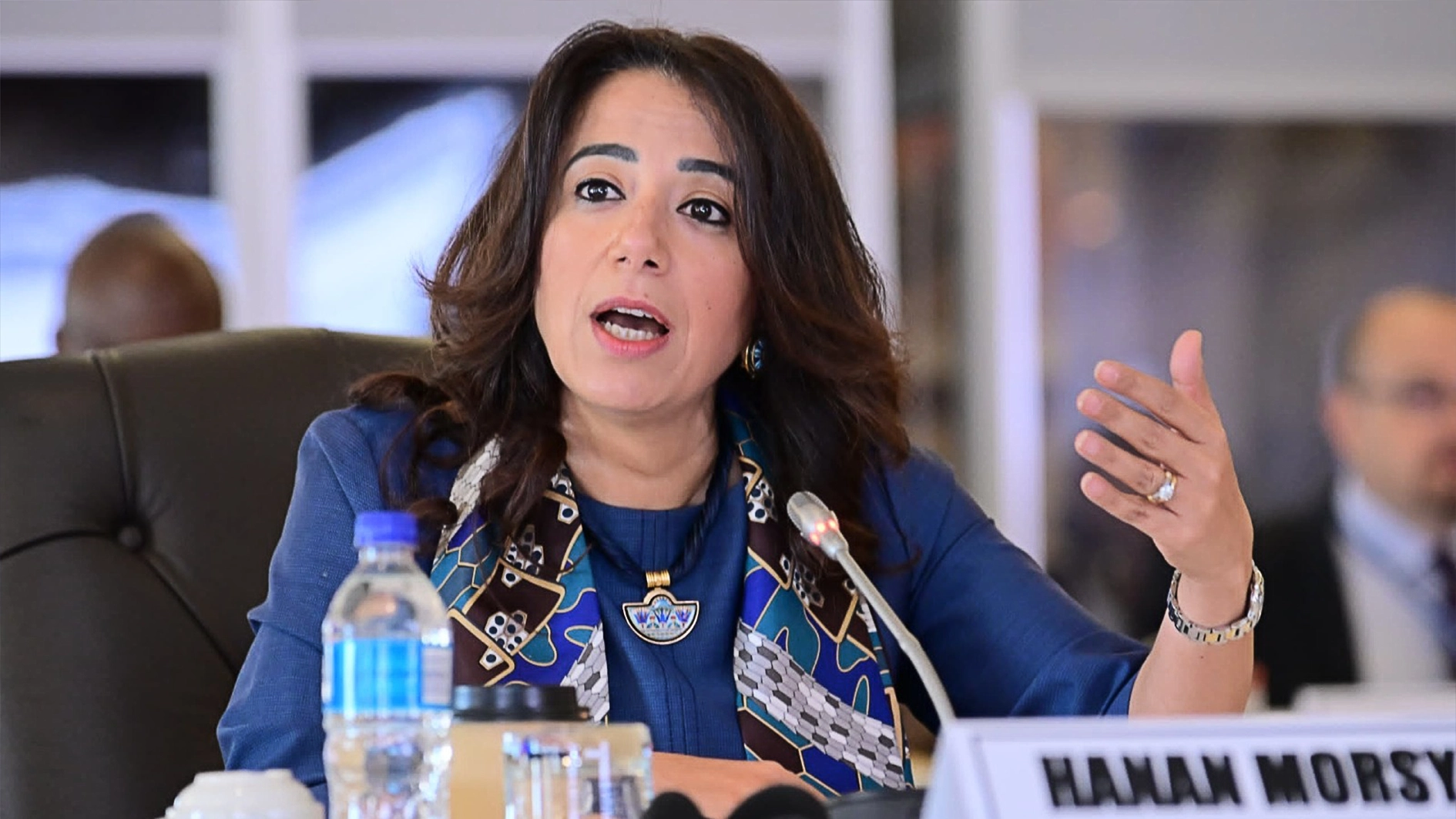
Africa pays approximately $75 billion a year in excess interest rate payments because of persistent risk premiums, the Deputy Executive Secretary of the United Nations Economic Commission for Africa (UNECA), Hanan Morsy has said.
Morsy, who spoke yesterday at the launch of the African Credit Rating Agency (AFCRA), noted that the burden was diverting scarce resources away from development priorities, including health, education and infrastructure.
She said concerns had persisted across African countries that sovereign risk assessments did not always adequately reflect the fundamentals of their economies.
“When perceptions of risk do not fully reflect the realities of a country’s economy, governments pay more to borrow while investment becomes harder to attract,” she said.
Morsy said ratings also shape policy responses and choices, recalling that during the COVID-19 pandemic, concerns about possible rating downgrades discouraged some eligible countries from requesting temporary debt service suspension under the G20 Debt Service Suspension Initiative.
She said when governments hesitate to use an internationally agreed crisis support mechanism because of possible rating consequences, it points to the need to reassess how such risks are evaluated and implemented.

Also speaking, the President and Chairman of the Board of Directors of the African Export-Import Bank (Afreximbank), Dr George Elombi, said the impact of credit ratings went beyond the cost of sovereign borrowing because a sovereign rating usually sets the ceiling for banks, corporates and projects under it.
Elombi, whose was represented by the Senior Executive Vice President, Denys Denya said rating actions could trigger a chain of events in which international lenders withdraw credit lines, thereby increasing refinancing risks and borrowing costs.
He said the effect cascaded into the cost of trade finance African banks could offer and ultimately affected the resources available for development.
Elombi also stated that the African Credit Rating Agency should help address what he described as a distorted perspective and misunderstanding of the African operating environment.
He said the agency was not being established because Africa was unhappy with its ratings or wanted its own examiner, but to correct half-truths and provide fuller and more accurate judgement of African economies.
According to him, Africa has lower default rates than any other developing region in the world, yet only three of the continent’s 54 countries have investment-grade ratings.
Elombi said some of the factors embedded in Africa’s financial architecture were not adequately captured or understood by existing rating models.
He cited the structure of development and regional multilateral financial institutions, including arrangements involving borrowing shareholders and public-private ownership, as examples of factors that required a fuller understanding.
He said the resulting perception premium meant less money was available for building schools, hospitals and roads across the continent.
Elombi also questioned why major African companies expanding across the continent should be confined by the credit rating of their home countries.
For a continent seeking to develop, industrialise and trade more with itself, he said, the current rating system could become a non-tariff barrier when the whole continent was priced as one risk.
Elombi also stated that when those pricing risk took the time to understand the full picture, capital would flow.

