 Follow Us on Google News
 Follow Us on Google Discover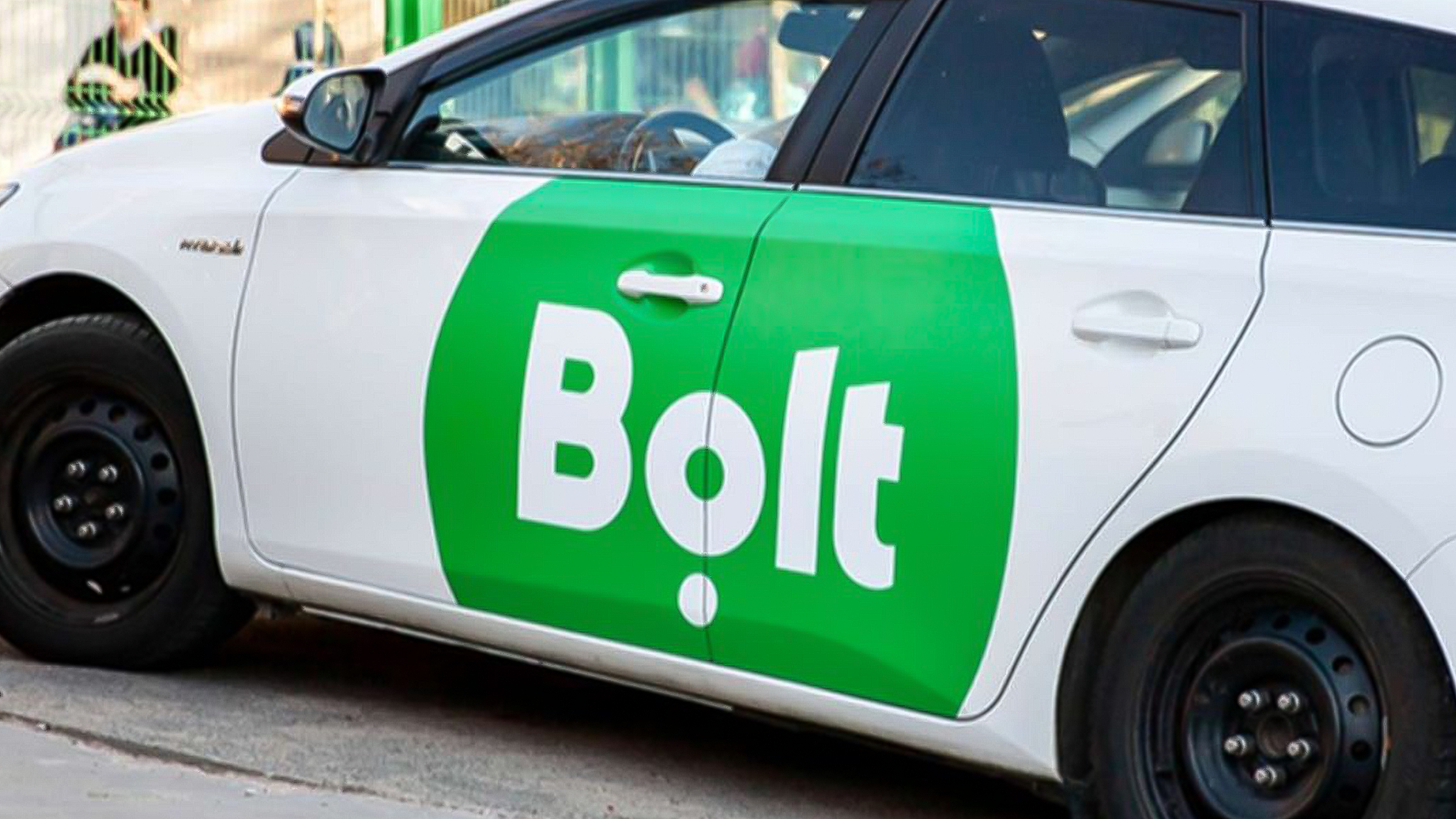
Growing complaints over ride-hailing drivers’ failure to use air conditioning on Comfort-category trips have exposed a deeper disagreement over the economics of app-based transport in Nigeria.
While drivers said the rising costs of fuel, maintenance, and other operating expenses are making it increasingly difficult to meet passengers’ service expectations, Bolt insists its pricing model is designed to balance affordability for riders with sustainable earnings for drivers.
The Amalgamated Union of App-Based Transporters of Nigeria (AUATON) noted that the challenge was not peculiar to Bolt, adding that drivers operating on inDrive were facing similar cost pressures.
The Public Relations Officer (PRO) of AUATON Lagos State Council, Steven Iwindoye, told The Guardian that the debate should not focus solely on whether drivers switch on their air conditioners, but rather on the cost-reflective nature of ride-hailing services.
According to him, drivers are increasingly expected to provide additional services to passengers while operating in an environment of rising costs.
He said: “Take a simple example. A driver leaves FESTAC for Surulere, and the passenger is paying around N4,000. From that amount, the driver still has to cover fuel, commission, vehicle depreciation, servicing, tyres, engine oil, insurance, car washing, traffic fines, and his personal needs.

“The driver himself may not even have enough money to properly take care of his own basic needs, yet we expect him to continuously spend additional money running the AC and maintaining the vehicle to a higher standard while accepting fares that may already be below the real cost of the trip.”
Iwindoye maintained that passengers were entitled to comfort but argued that such expectations must be supported by a sustainable fare structure.
He said the industry’s conversation should shift towards the economics of individual trips and whether the revenue generated from each journey allowed drivers to maintain their vehicles and continue providing the services passengers expect.
Iwindoye added that if platforms wanted Comfort rides with guaranteed air conditioning, the fare structure should reflect the additional cost of providing the service, arguing that drivers could not be expected to subsidise passengers’ comfort indefinitely.
“Drivers are not machines. Cars don’t run on goodwill. AC does not run on promises. And vehicles cannot be maintained with fares below operating costs.
However, Bolt Nigeria, in response to enquiries, said its pricing model was designed to balance passenger affordability with sustainable earnings for drivers.
The company also said air conditioning remained mandatory across all its ride categories.
The Public Relations Manager, Bolt Nigeria, Femi Adeyemo, said the company recognised the financial pressures facing its driver partners and was monitoring changes in operating costs.
He said: “At Bolt, we recognise that driver partners face rising operating costs, including fuel, maintenance, insurance, tyres and vehicle depreciation, and we continuously monitor these market dynamics as part of our approach to pricing.
Adeyemo noted that driver earnings could vary depending on factors including trip distance, demand, operating hours and individual vehicle costs.
On air conditioning, however, he insisted that drivers were required to have their AC switched on across all Bolt ride categories as part of the platform’s service standards.
He added that passengers should therefore expect an air-conditioned and comfortable experience regardless of the ride category selected.
The company, he said, monitored compliance with its service standards and encouraged passengers to report cases where drivers failed to meet the expected standards.
Meanwhile, inDrive said it has committed more than N132 million to a driver reward campaign aimed at recognising drivers and increasing the value of their participation on the platform.
The Country Manager, inDrive Nigeria, Timothy Oladimeji, said the campaign, which runs across Lagos and Abuja from October 5 to December 16, would feature 916 prizes, including two cars, four full academic-year school fee awards, 40 smartphones, 40 television sets and 830 shopping vouchers.
The company said winners would be selected through six live-broadcast draws, while the two cars would be awarded to drivers who complete the most rides throughout the campaign period.
To qualify, drivers must reach the platinum tier, with each completed ride counting as an entry into the campaign. Drivers who complete more rides will therefore have more entries and increased opportunities to win prizes.
Oladimeji said drivers on the platform had greater control over their work, including the ability to agree on fares with passengers and retain more of their earnings.

