 Follow Us on Google News
 Follow Us on Google Discover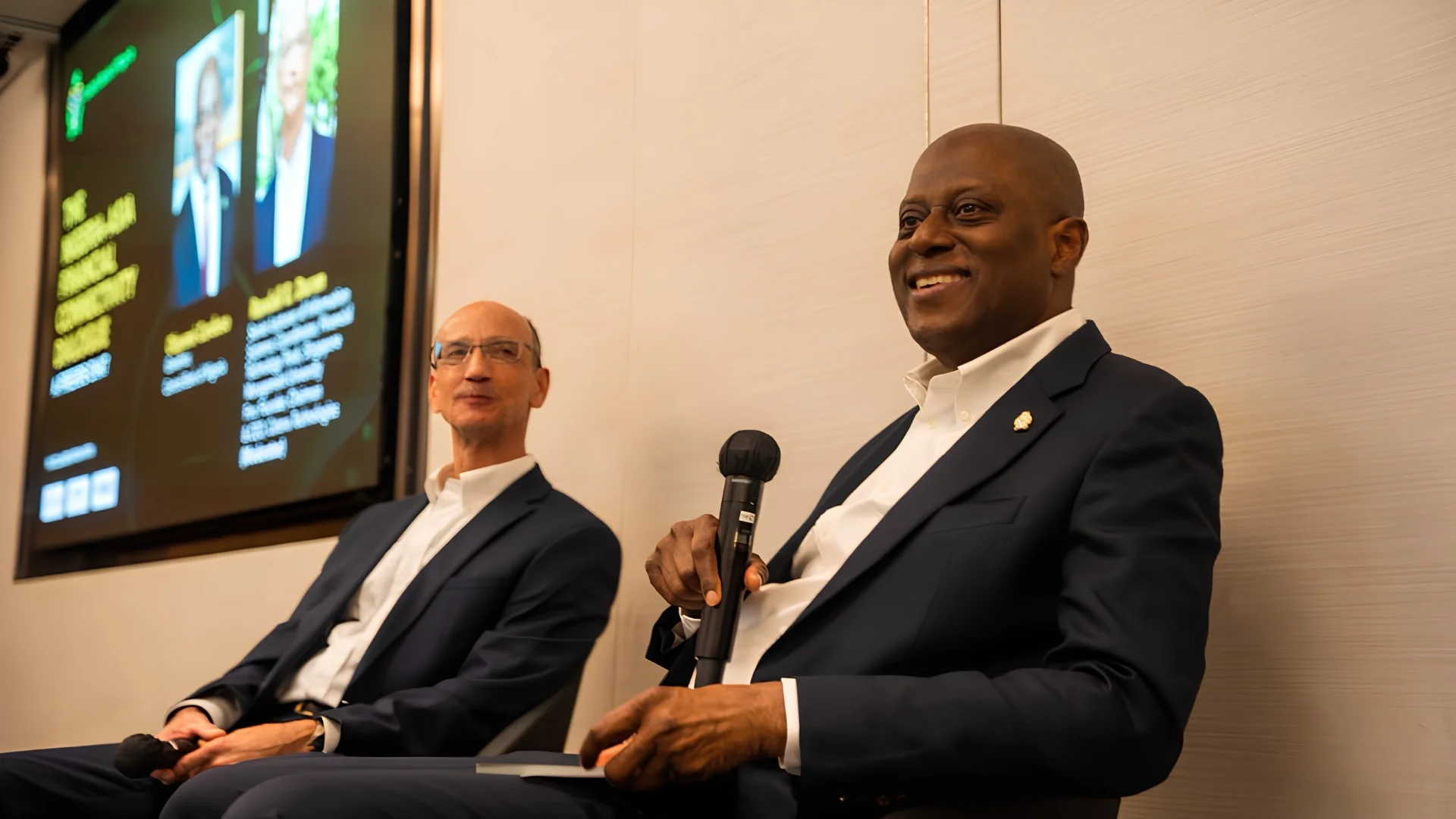
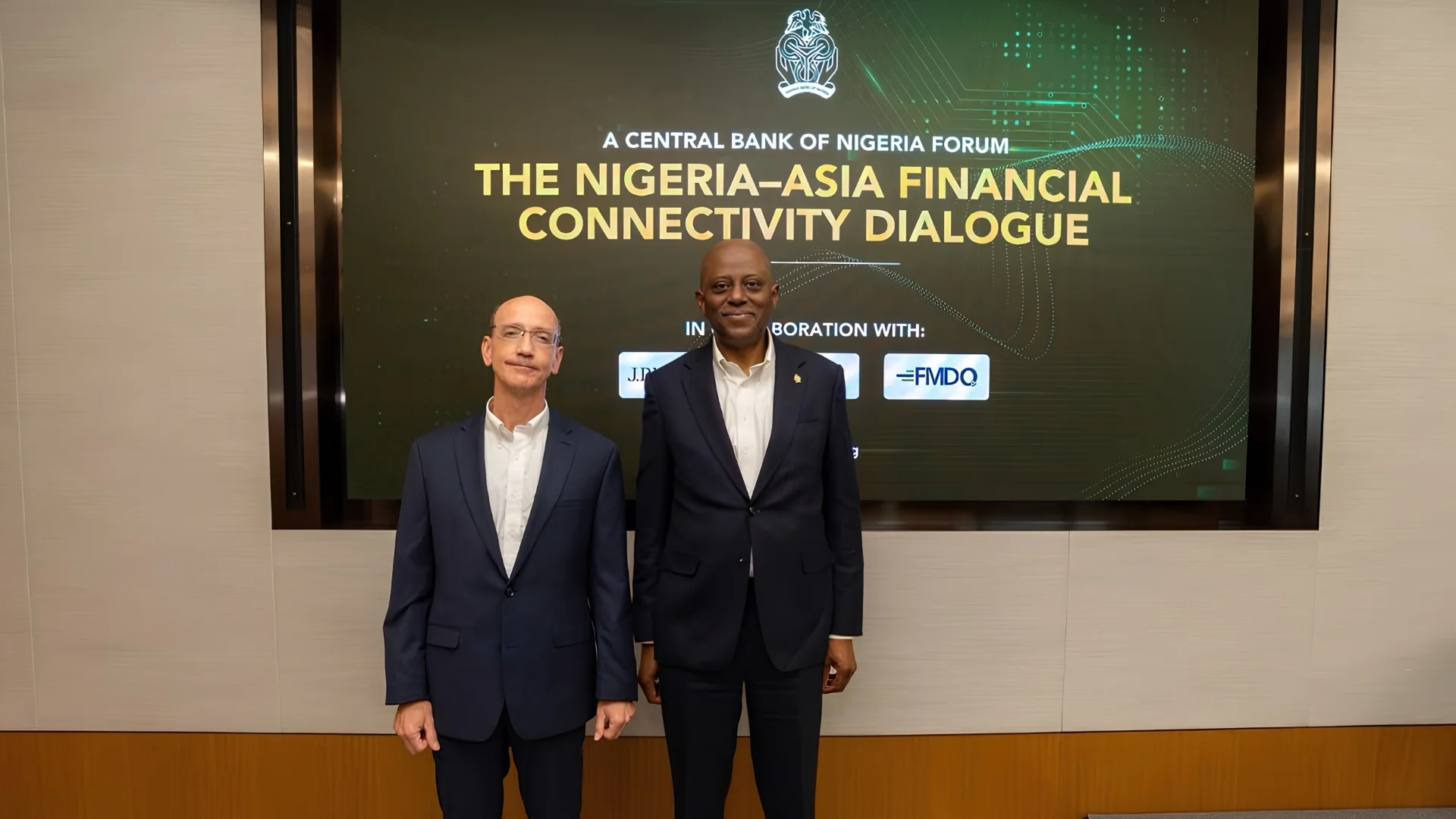
The Nigeria–Asia Financial Connectivity Dialogue hosted by J.P. Morgan in Singapore this week brought together policymakers, market leaders and investors to examine the gains from Nigeria’s reform programme and the priorities that will shape its next phase. At the centre of the discussion was a clear message: Nigeria’s reform story has moved beyond crisis management and is entering a phase in which results can be measured, tested and built upon.
At the fireside conversation, CBN Governor Olayemi Cardoso framed the country’s economic transformation not simply as a response to immediate market pressures, but as a structural shift in the way the economy is being positioned for durable growth. The emphasis was on credibility, resilience and the structural reforms needed to restore investor confidence.
Cardoso’s central message was that stability is no longer simply a policy objective. It is an outcome that has been tested. In his words, “We have a situation where we’ve been tested for resilience. We’ve been tested for credibility.” That framing matters because it shifts the conversation from short-term market volatility to the deeper question of whether Nigeria has built the institutions needed to sustain growth over time.
The Governor pointed to the currency’s performance during periods of global tariff uncertainty, geopolitical tension and election-related concerns as evidence that the reform framework is becoming more resilient. He argued that the financial system had withstood pressures that historically would have triggered sharper market disruption. That resilience, he suggested, is evidence that the reforms are beginning to take root.
Cardoso also acknowledged that the benefits of reform would take time to reach households and businesses. But he argued that the alternative, leaving structural weaknesses unresolved, would have created a more damaging long-term outcome. “We’ve done the plumbing works,” he said. “Having done the plumbing works now, we are confident that whatever goes on top of that will be something that will be sustainable.”
That confidence was reinforced by the broader investment narrative. Cardoso argued that macroeconomic stability is the platform on which investment, job creation and private-sector growth can be built. “Without getting the macros in place and without ensuring the stability, you don’t get investment. And without investment, you don’t get growth,” he said. The implication is that credibility is not simply a policy objective. It is a national asset.

A major feature of the fireside discussion was Cardoso’s emphasis on financial technology as a strategic growth area. He described Nigeria’s fintech ecosystem as dynamic and increasingly influential across Africa, positioning it as a key driver of economic transformation.
Cardoso outlined a regulatory approach based on engagement rather than exclusion. He argued that the CBN had chosen to work directly with fintech companies, understand their constraints and create guardrails that would allow innovation to continue. The message was clear: regulation should protect the system without suppressing growth.
This approach reflects a broader argument about Nigeria’s transformational structure. It suggests that the country’s reform agenda is not only about macroeconomic repair, but about building the infrastructure needed for future growth. By treating fintech as a strategic growth area, the CBN is signalling that innovation is central to the economy’s next phase.
Cardoso said Nigeria and Singapore offered complementary strengths. Singapore demonstrated how sound governance and an enabling investment environment could help a relatively small country achieve global influence. Nigeria, he argued, brought scale, a large market, a young population and access to wider African opportunities.
“What we bring to the party is scale,” he said. The implication is that Nigeria’s structural advantage lies not only in policy, but in the scale of its market, its demographic profile and its access to broader African opportunities.
Cardoso argued that stronger institutional cooperation, business-to-business engagement and better financial-market channels could help convert that complementarity into deeper investment and trade. The implication is that Nigeria’s transformation is not only about domestic reform, but about positioning the country as a more credible and connected player in the global financial system.
For investors, the message was clear. Nigeria’s reform gains are creating an environment where long-term capital can participate with greater confidence. The emphasis on resilience, credibility and structural reform projects a narrative that goes beyond self-serving rhetoric to one grounded in measurable outcomes.
“The serious investors,” he said, “should not wait for the ship to have sailed and then wake up and decide that this is the time to come on board.”
In this light, the reforms represent more than a defence of policy. They represent a statement about national potential. They suggest that Nigeria is building a system capable of delivering results, and that the country’s credibility is becoming harder to ignore.
For years, the country’s economic narrative was shaped by volatility, uncertainty and a recurring sense that structural problems were never fully addressed.
The broader significance of this shift is that it changes the way Nigeria is perceived. A more credible policy environment, stronger banks and deeper markets do not simply improve economic indicators. They improve the country’s standing in the global financial community. They make it easier for investors to plan, for businesses to operate and for capital to move with greater confidence.
The broader takeaway is that Nigeria’s reform story is no longer simply about crisis management. It is increasingly about positioning the country for a new phase of growth, one in which results are supported by evidence and credibility is reinforced by outcomes. That is the basis on which Nigeria’s flag can now fly with greater pride in the global financial community.

