GDN SIDEBAR
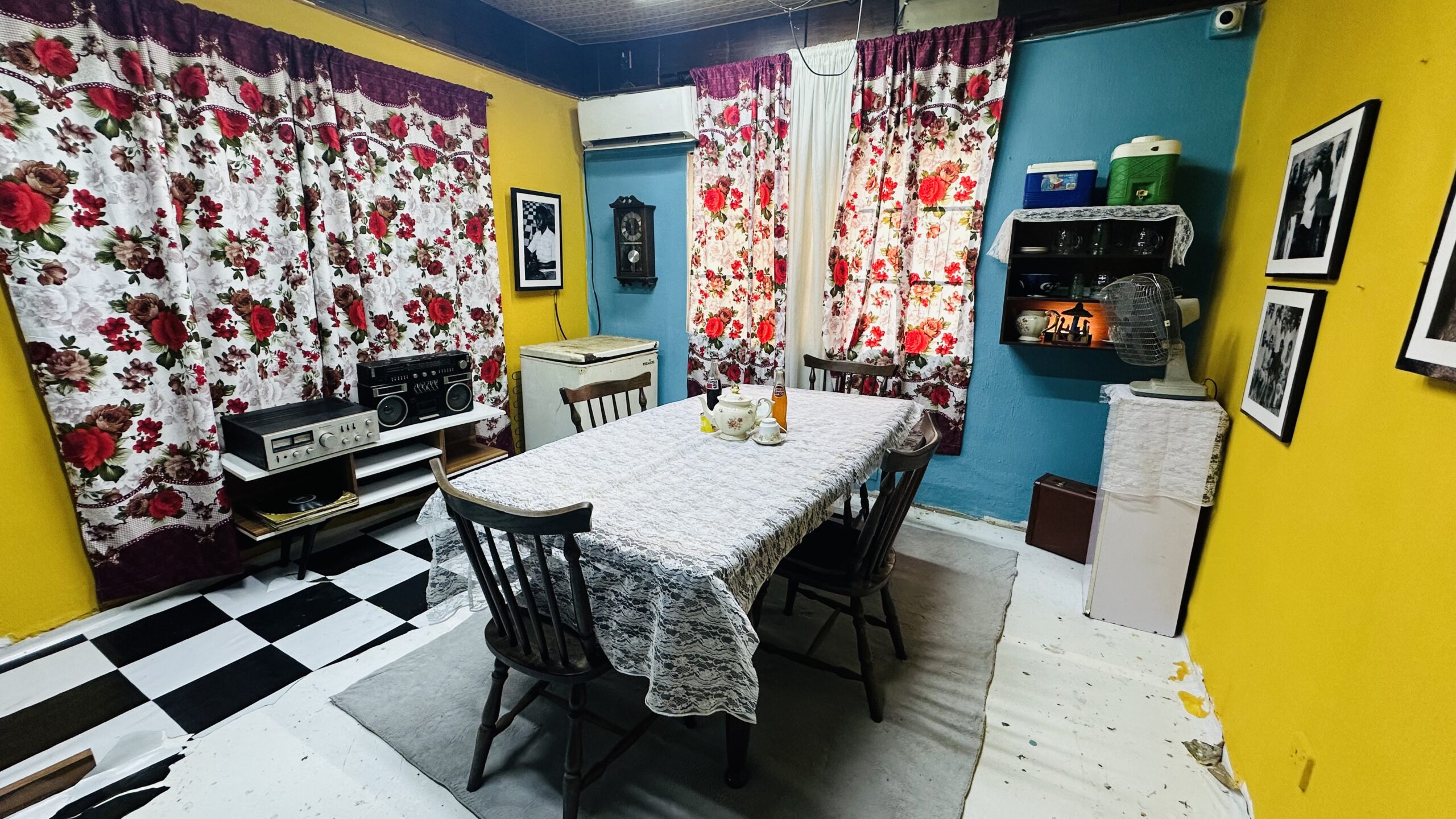
At Vintage Africana in Agege, you will find objects used in a typical Nigerian household from the past. The room is designed to evoke a nostalgic feeling of old Nigerian family life.
Everyday Nigeria
Filmmaker, photographer and music-video director Akin Alabi began collecting antiques in 2018. In a 2025 interview, he said his children had made him think about how unfamiliar some of these old objects had become to younger Nigerians. What started as collecting gradually grew into Vintage Africana, with a collection that includes objects associated with Nigeria in the 1980s and 1990s, as well as older pieces.
Alabi said the original idea came from imagining “a space where people could come into and travel back in time”, with the space centred on what life was like in Nigeria in the 1970s, 1980s and 1990s.
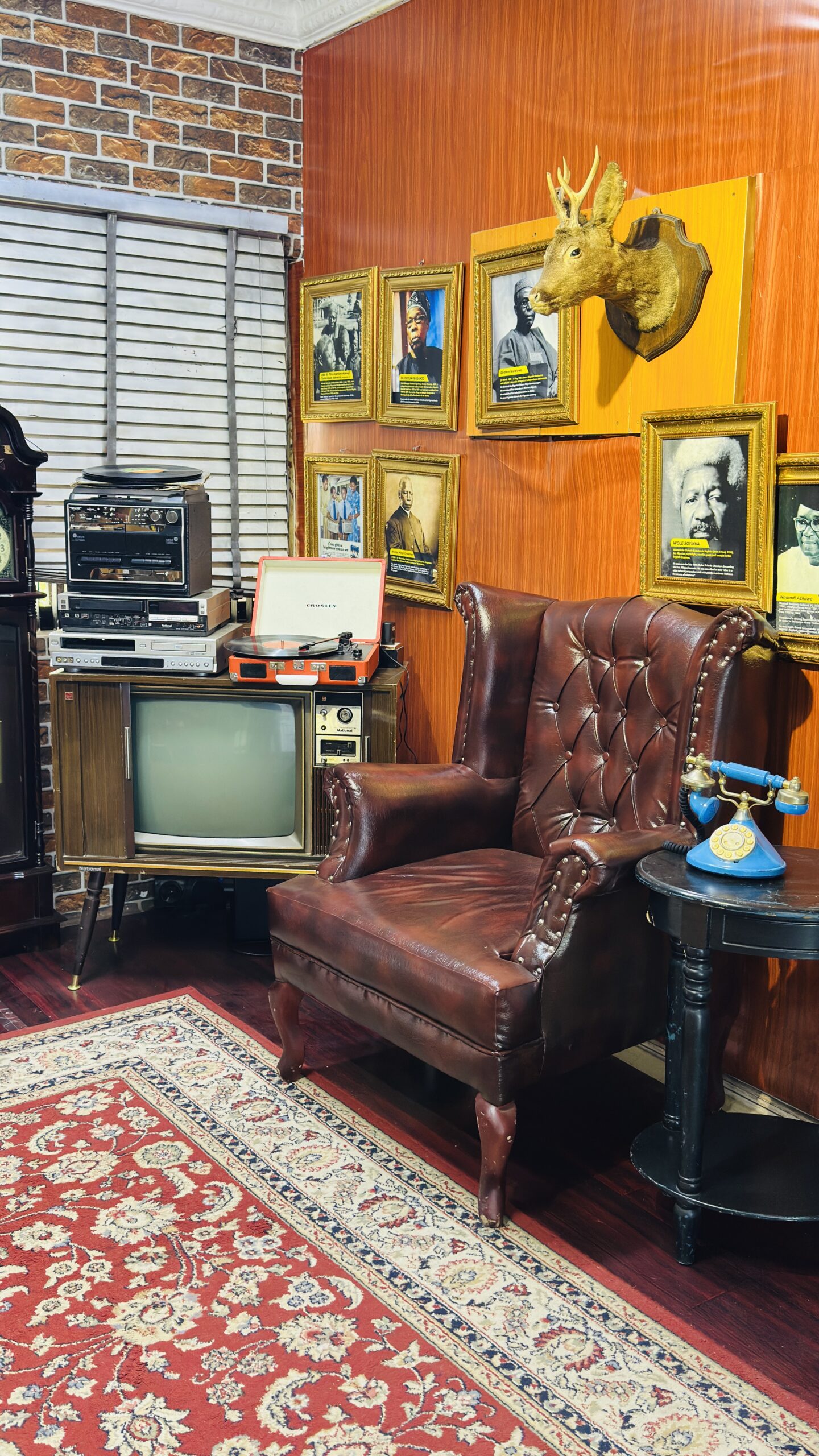
From rotary telephones and record players to old newspapers, cameras, cars, and household equipment, you will find items that once belonged in everyday life.
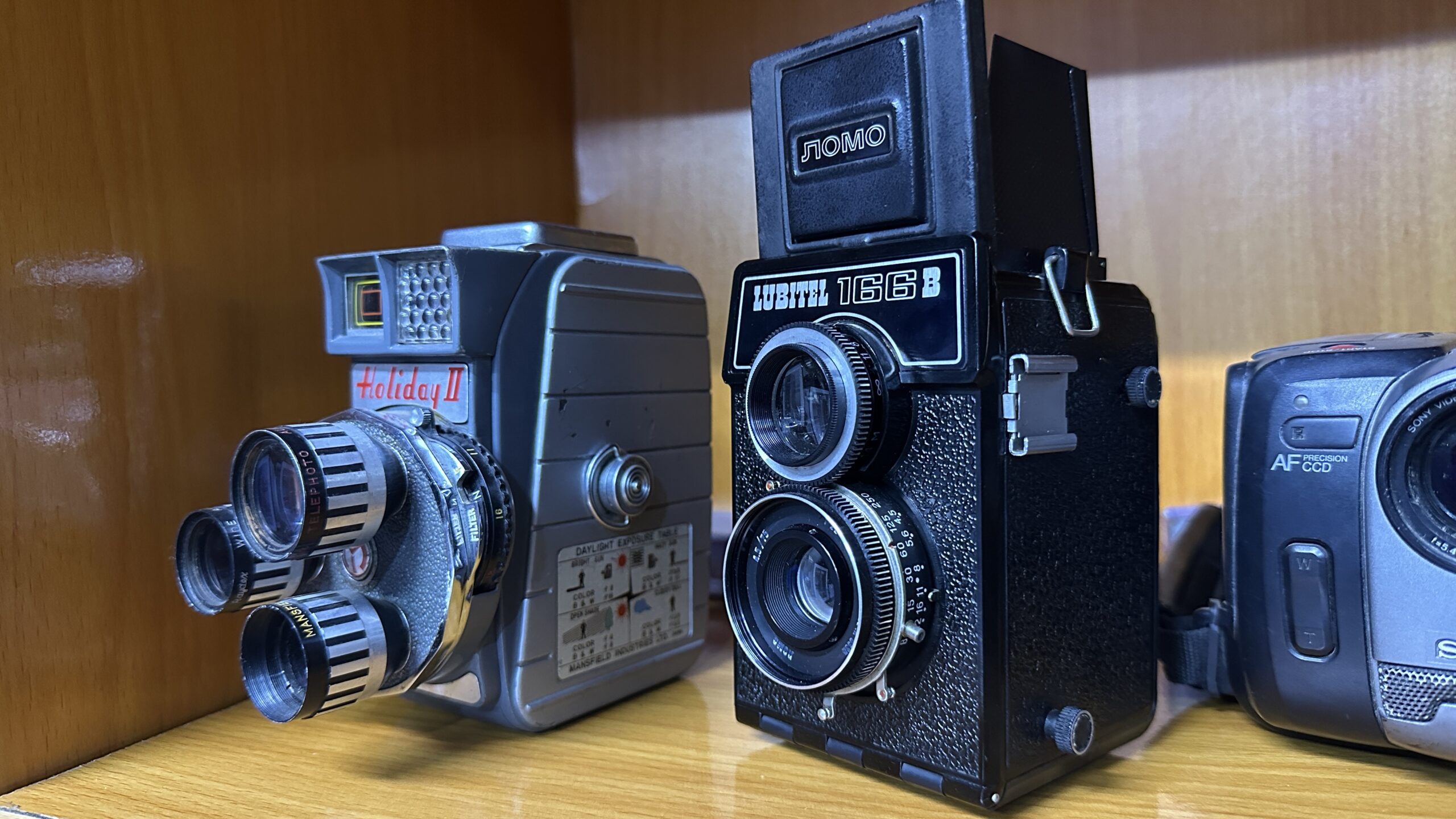
Inside are black-and-white televisions, radios, rotary telephones, manual typewriters, cassette players, and vinyl records. The collection also includes old Nigerian currency and newspapers, cameras from different periods, and filmmaking equipment, including 8mm film cameras. Outside, among the vintage cars, are a Volkswagen Beetle and a Mercedes-Benz 230.
Alabi said the collections come from three main sources: items from his personal and family collections, objects he buys from different parts of the country, and donations from people who give him their vintage possessions.

The first object he collected for Vintage Africana was a television given to him by the landlord of his family home after Alabi shared the idea with him. Some of the hardest items to find, he said, have been rechargeable lanterns, Pentium 3 and Pentium 4 desktop computers from the 1990s, and Nollywood films on VHS.
These collections show how things have evolved and how many of them, which required a bit of effort to use, were slowly replaced by modern technology. Fixed telephone lines gave way to mobile phones. Records and cassettes gave way to CDs, downloads and streaming. Film cameras were replaced by digital cameras and, eventually, phones. The television that once occupied a large section of the sitting room became thinner, larger and easier to mount on a wall.
Alabi has described the museum as an attempt to give visitors an immersive experience of life in the 1980s and 1990s, particularly at a time when younger Nigerians may know many of these objects only from photographs or stories.
When asked whether he ever doubted that the idea would work, Alabi recalled sharing it with his father, who asked whether people would be more interested in going into the future than going back to the past.
“That was a very big question,” he said. “And I said, well, I don’t know about the future, but I know about the past. And I feel passionate about the past.”
Alabi said he decided to take the risk despite having no model to follow because he had never seen a vintage museum before. He eventually conceptualised the space from scratch, deciding how the objects would be arranged and how the museum could be made appealing to visitors.
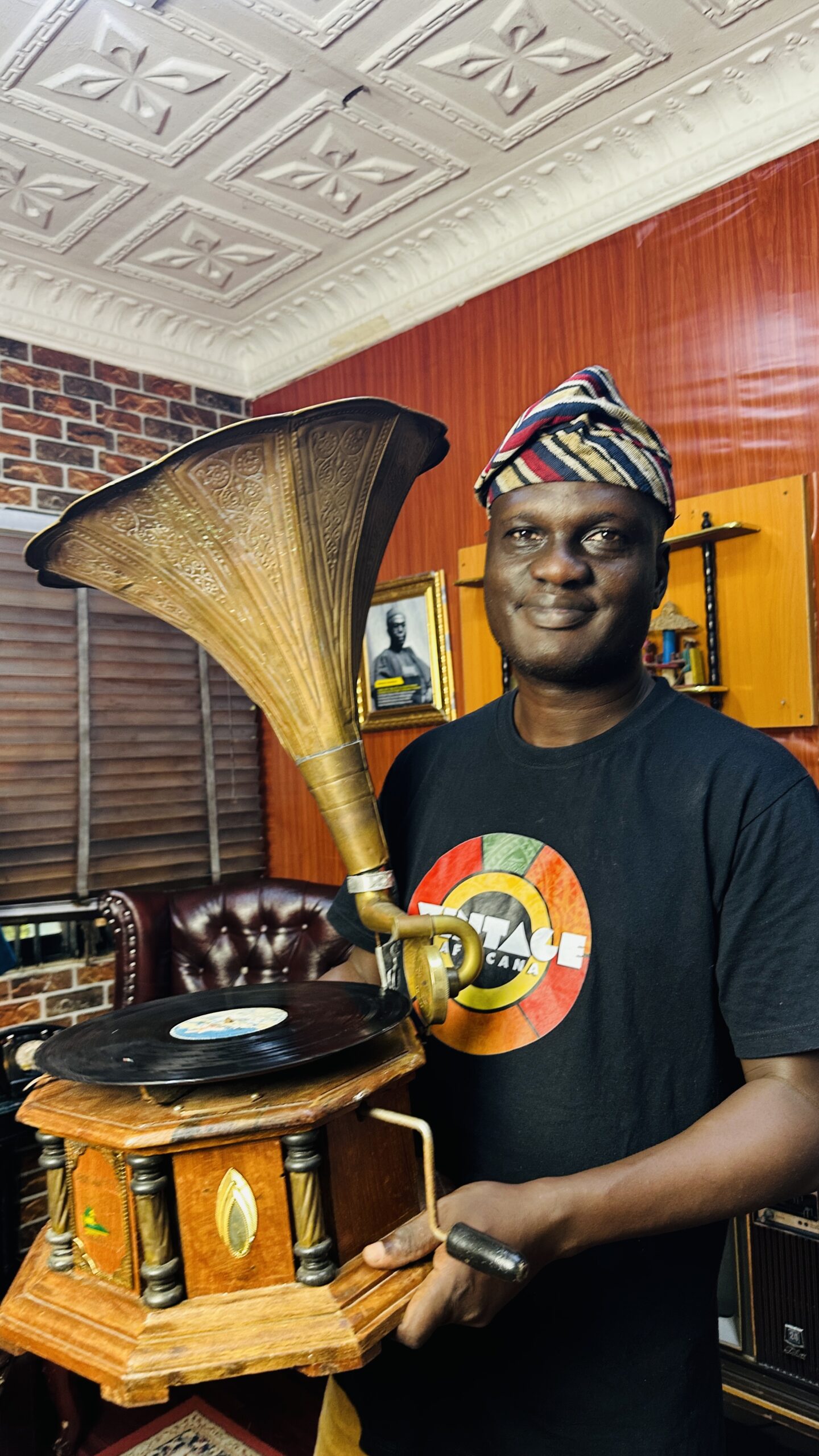
Vintage Africana officially opened on February 12, 2021, Alabi’s birthday. According to him, it took about two or three months before visitors began coming in numbers and he realised the idea had become a reality.
More than old objects
There are more playful parts of Vintage Africana, too. A 3D silver tunnel, newspaper-themed arch, magazine booth and Santorini-inspired corner sit among the older objects. A talking drum donated by Nigerian musician Ara is part of the collection.
The museum has also become a location for photography and content shoots. Visitors can move between the collection, vintage cars and themed spaces before settling at the restaurant, which serves Nigerian and African dishes including amala, pounded yam, jollof rice, ofada rice, efo riro, afang, egusi, ogbono, asun and pepper soup.
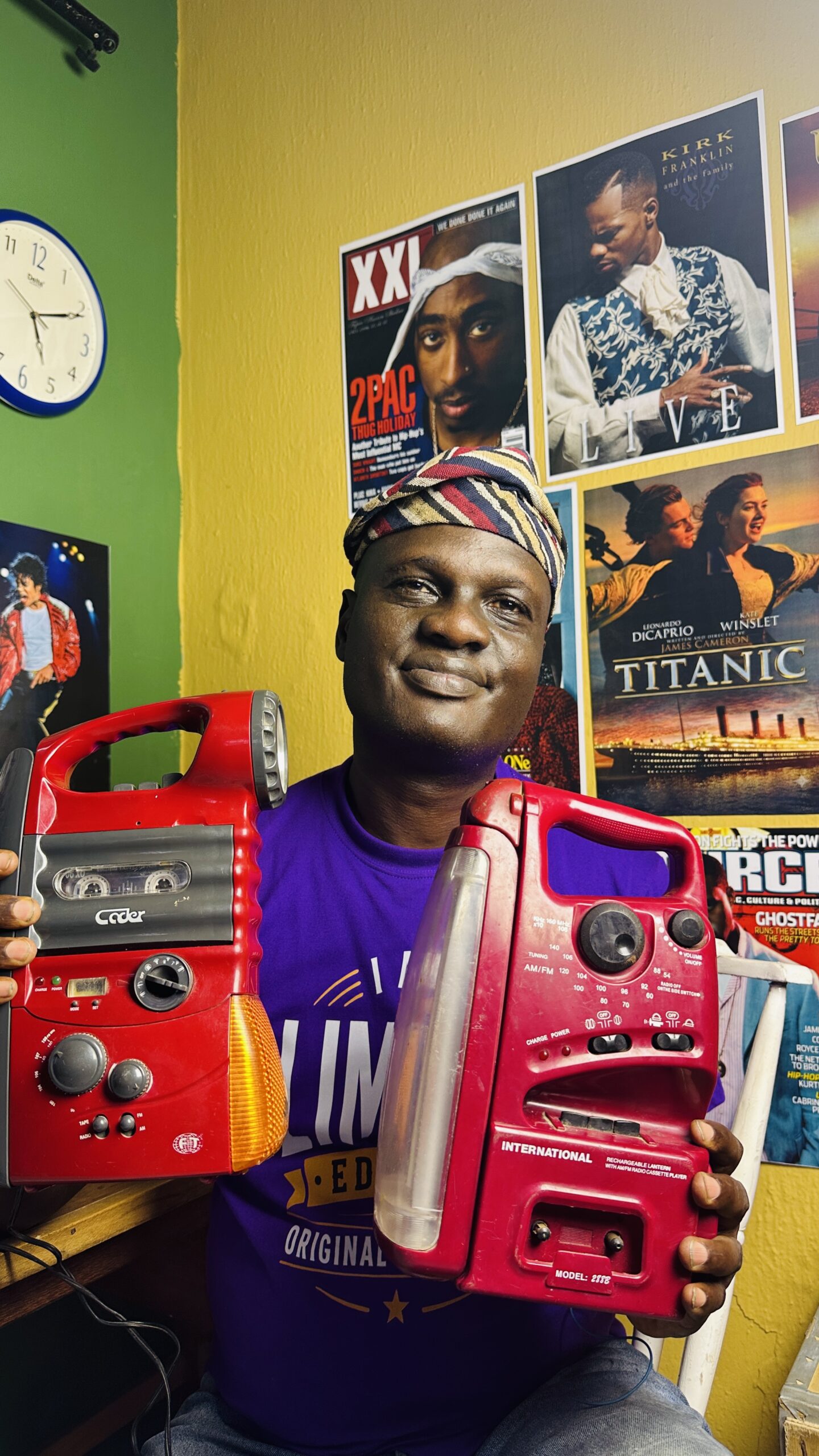
The combination of museum, restaurant, and creative space gives the place a different feel from a conventional museum. Visitors can look through objects from different periods, take photographs around the themed spaces and stay for a meal, making the experience as much about encountering the past as it is about spending time in the present.
For older visitors, some of the objects are likely to be familiar. For younger visitors, they can require an explanation. That difference has become part of the museum’s work.
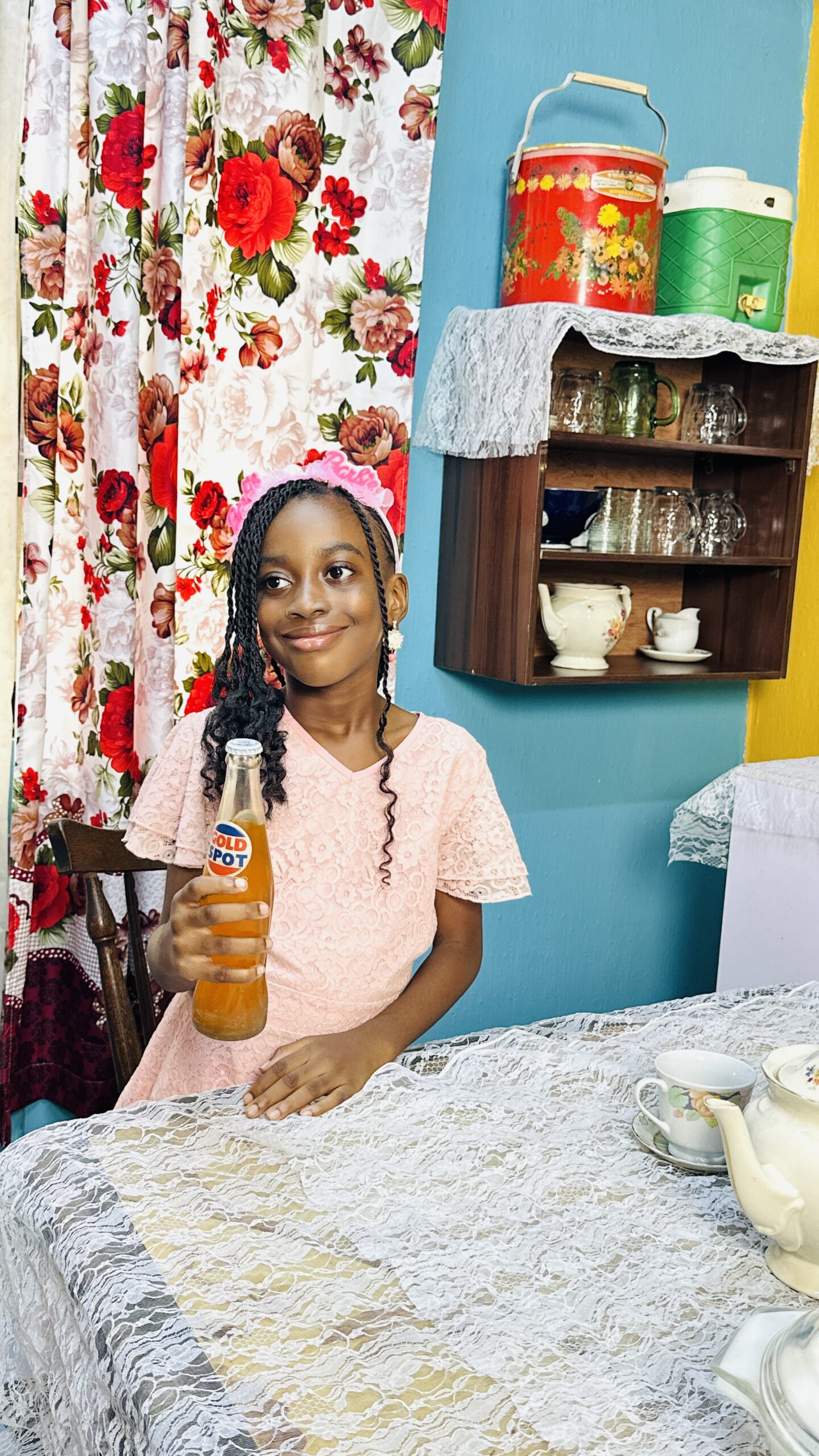
Alabi said children who visit often react with admiration and curiosity. Some recognise objects from films, music videos or other forms of popular culture before encountering them physically.
The experience can also give younger visitors a clearer sense of how technology has changed. Alabi recalled children being surprised by the amount of time it took to make a telephone call using a rotary phone, compared with simply pressing a number on a mobile phone today.
“It makes them appreciate what they have now when they know how life used to be back in the past,” he said.
The museum also produces content around the objects because, for Alabi, preserving an object without preserving the story attached to it is incomplete.
“For every item you see, there are stories behind them or there are stories attached to them,” he said. “And you can preserve the item and not preserve the story.”
The idea also extends beyond the museum itself. Vintage Africana has taken its vintage tour to schools in Lagos and Ogun, giving students the chance to see objects that they may otherwise only encounter in photographs or textbooks. The tours allow students to see some of the objects they encounter in history lessons rather than learning about them only from textbooks.
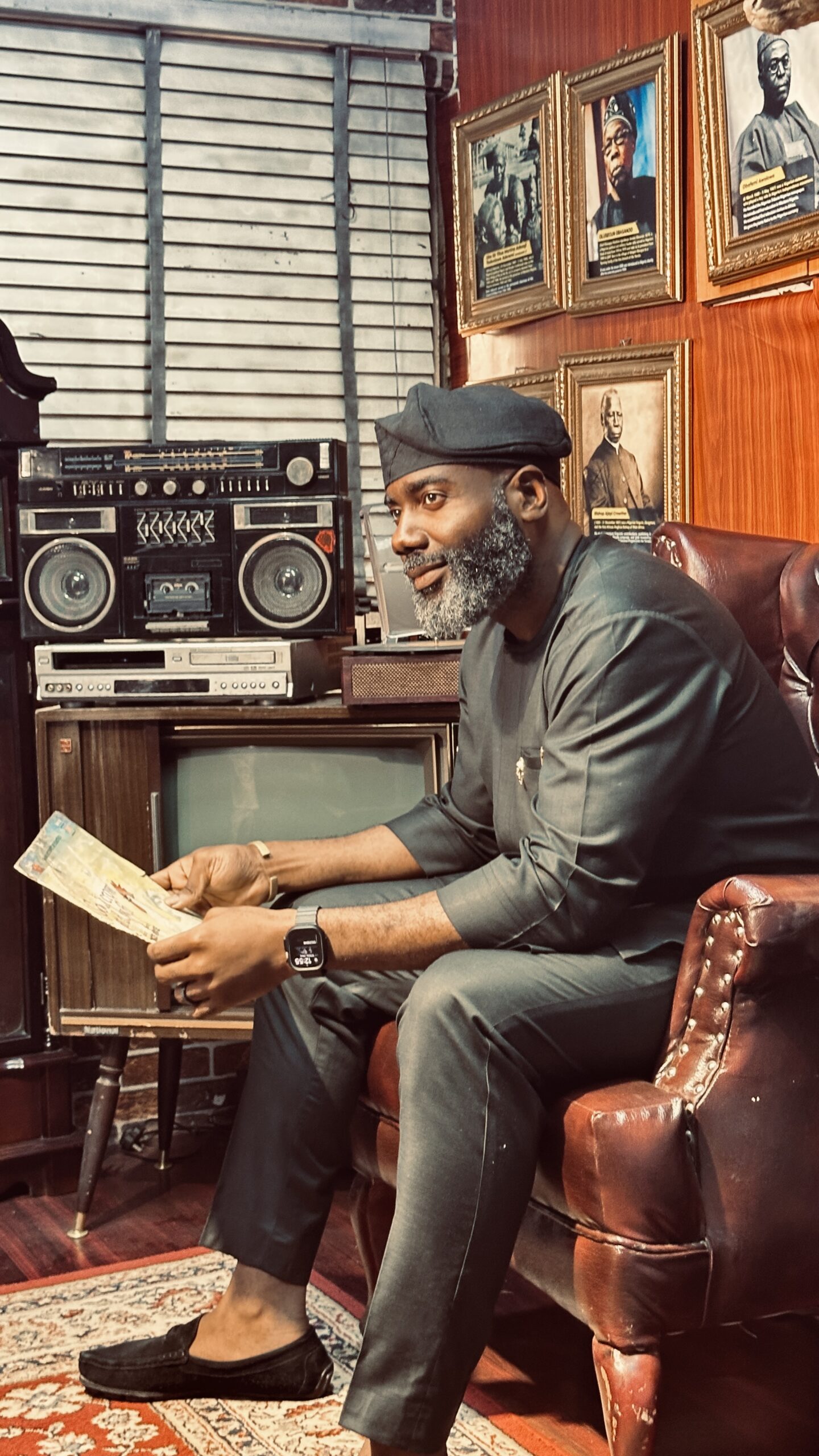
Preserving the past
The museum has also received institutional attention. In December 2025, Gbile Holloway, Director-General of the National Commission for Museums and Monuments, visited Vintage Africana and commended the collection of old televisions, radios, typewriters, vinyl records, newspapers and other vintage objects. He said preserving such items was important for reminding people of what existed before while educating younger Nigerians about the country’s heritage.
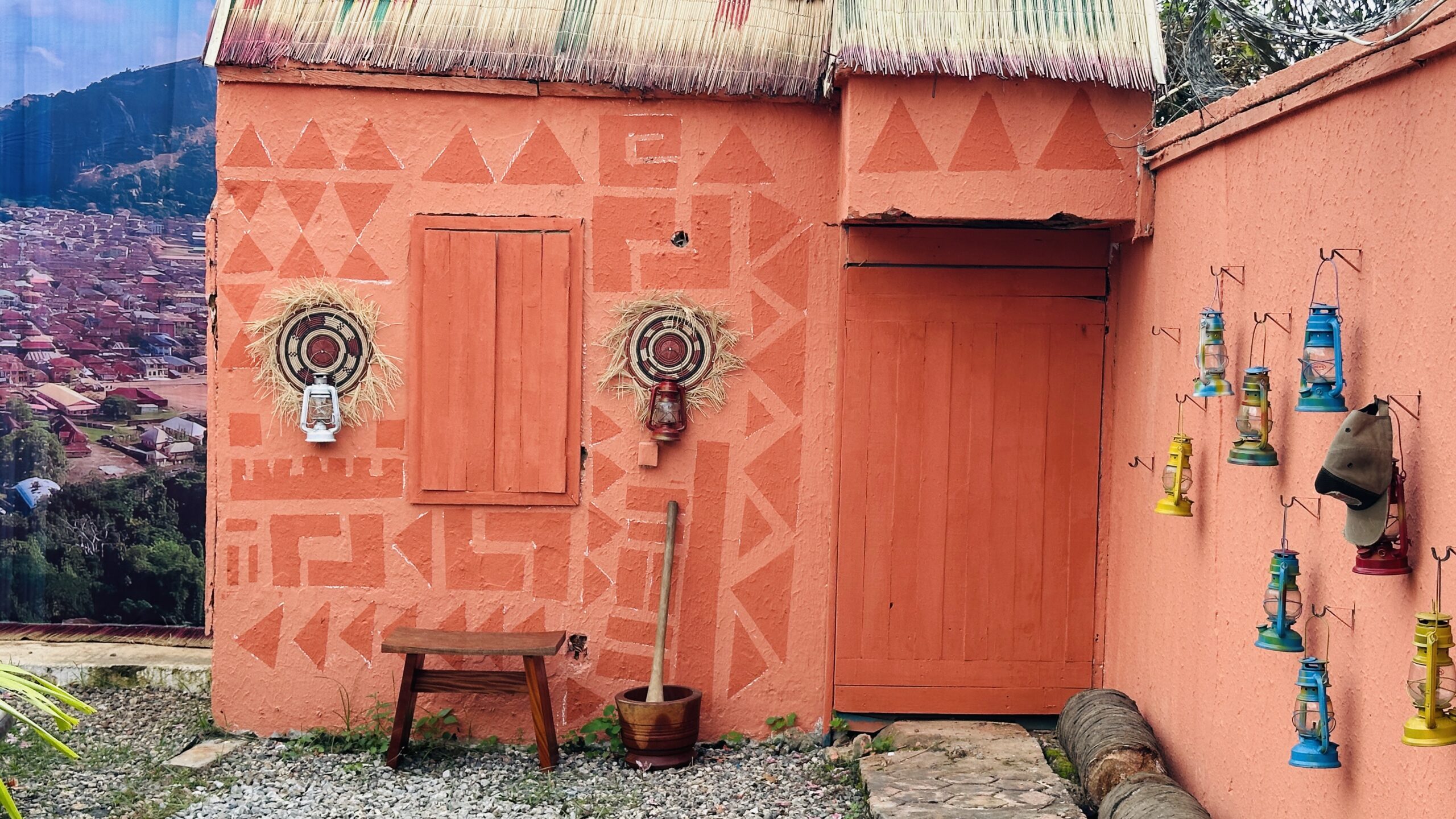
That visit placed the private collection within a wider conversation about preserving Nigeria’s material history. Many of the objects at Vintage Africana are not grand historical artefacts. They are things that people used at home, at work or for entertainment, which makes the collection a record of ordinary life as much as a display of old technology.
For Alabi, that preservation is also about preventing Nigerians from forgetting objects and the stories attached to them.
“We’ve already forgotten lots of things,” he said. “The majority of things are here. Nigerians have actively forgotten it. They only remember when they see.”
He sees his role as actively searching for these objects, keeping and archiving them, then bringing them back into people’s consciousness through the museum and the stories created around them.
Many of those memories are emotional. Alabi recalled playing a particular record, “Cock Crow at Dawn”, for a visitor who sat down, closed her eyes and was almost in tears. He also remembered a visitor from Canada who struggled to hold back tears as the collection brought back memories of her childhood.
“There are lots of people out there for whom it brings back memories, both good and bad,” he said. “But it just takes you back to when you were growing up and the things you thought you’d probably forgotten and those memories come back.”
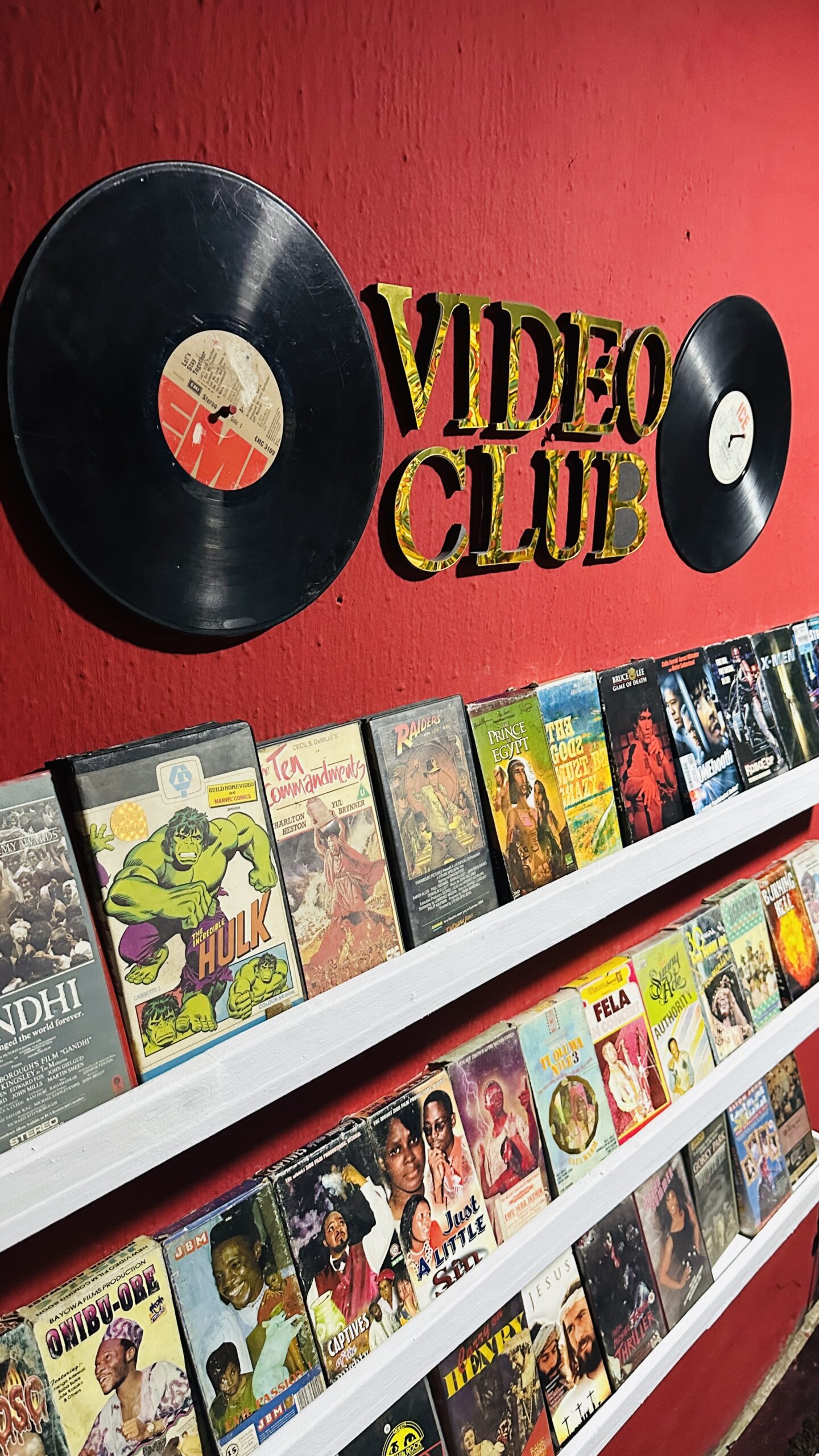
What makes these collections worth visiting is not simply the age of the objects. Many of them were never made to be museum pieces. They were bought, used, repaired, and eventually replaced.
Alabi hopes Vintage Africana will eventually spread across Nigeria and potentially across Africa. He also sees room for collaboration with government.
The Director-General of the National Commission for Museums and Monuments visited the museum in December 2025, an encounter Alabi said left him impressed by the collection. He said he is looking forward to possible collaboration, partnership and support from the Nigerian government.
Entry fee: Admission has been between ₦5,000 and ₦10,000, although prices may vary, so it is worth confirming the current fee before visiting.
Location: Vintage Africana is at 6 William Elliot Street, Dele Adedugbe Estate, New Oko-Oba, Agege, Lagos.