GDN SIDEBAR
Nigeria’s Eastern music scene has always had its moments in the sun, from the highlife boom of the 1960s to the more recent rise of Igbo hip-hop, a tradition explored in Nigeria’s indigenous music and the changing times.
As Nigerian music, itself, has evolved over the years, imbibing Western elements and expanding the possibilities of its soundscapes, a few outliers have successfully built catalogues that delicately balance our local sonic palette with their Western ambitions.
Hip-hop is one of the clearest places to find this balance in the music scene now. Across Nigeria, almost every geopolitical region has developed some version of indigenous rap, shaped by language, slang, rhythm and the raw realities of the communities that birthed it. In the East, that movement has peaked considerably since 2022, becoming one of the strongest new markers of contemporary pop culture across the region, as seen in the new wave of Afrobeats mavericks.
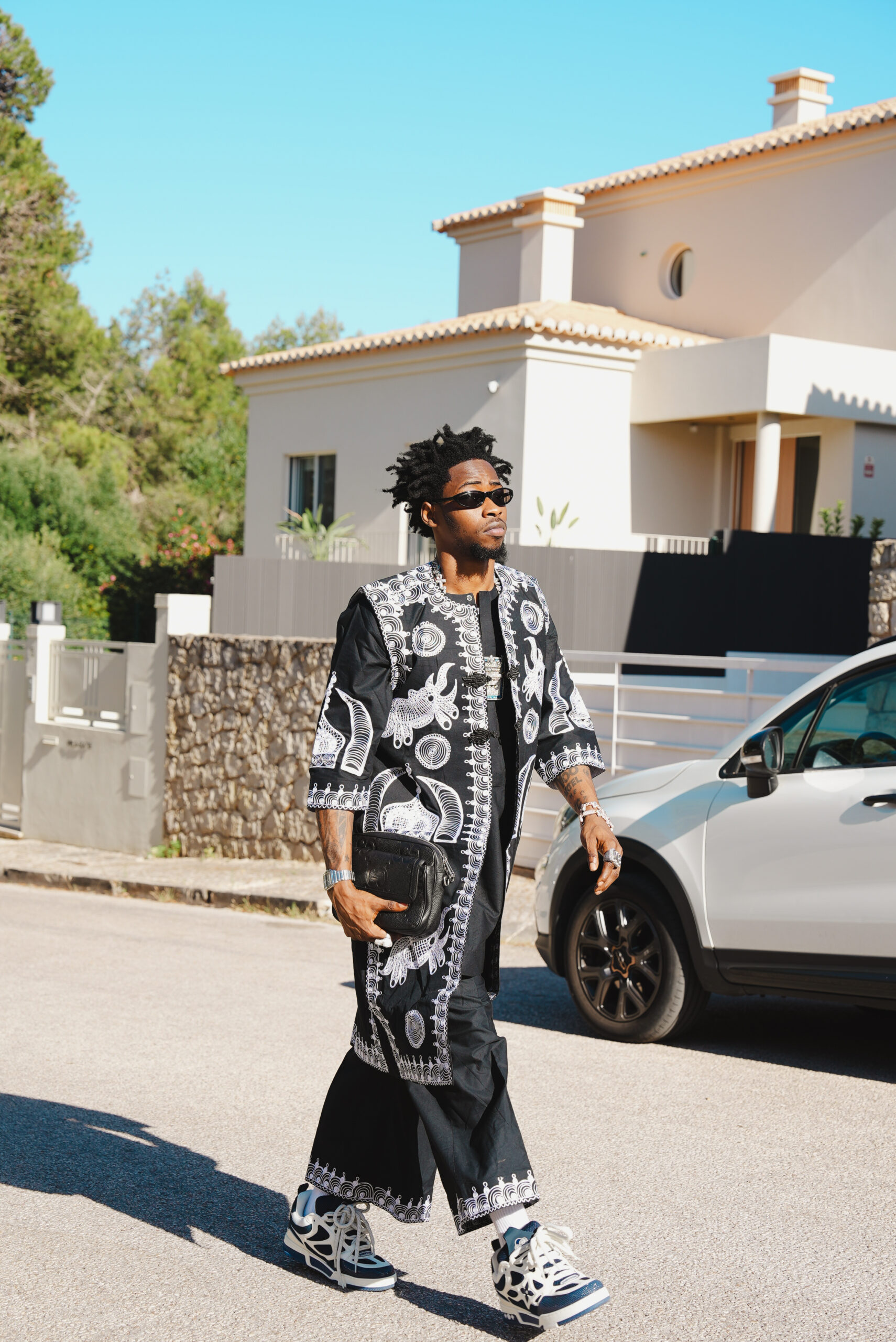
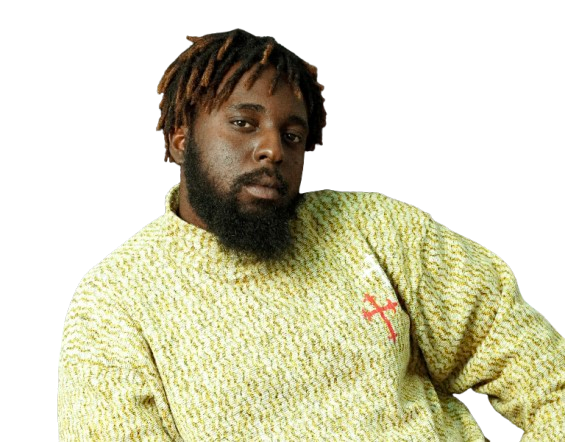
One of the notable rappers to emerge from this fray is Jeriq, born Jeremiah Chukwuebuka Ani. In 2024, the young rapper filled the 22,000-capacity Nnamdi Azikiwe Stadium in Enugu for his Jeriqhood concert, marking one of the biggest moments for an Eastern rapper since the era that produced names such as Illbliss and Phyno.
Jeriq’s music, like that of several of his peers including Aguero Banks, Evado, Rord Kelly and Hugo P, is marked by hard-hitting US trap and UK drill production, Igbo rap, and flashes of Igbo melodies.
At the recently announced 18th Headies, Jeriq’s 2024 sophomore album, King, earned a nomination for Best Rap Album. His catalogue stretches from his breakout 2020 EP, Hood Boy Dreams, through his debut album, Billion Dollar Dream, to King, a body of work that has steadily documented his hustler ambition and relationship with the streets. His place in the awards conversation follows a history of recognition for indigenous rap, including the 17th Headies nominations.

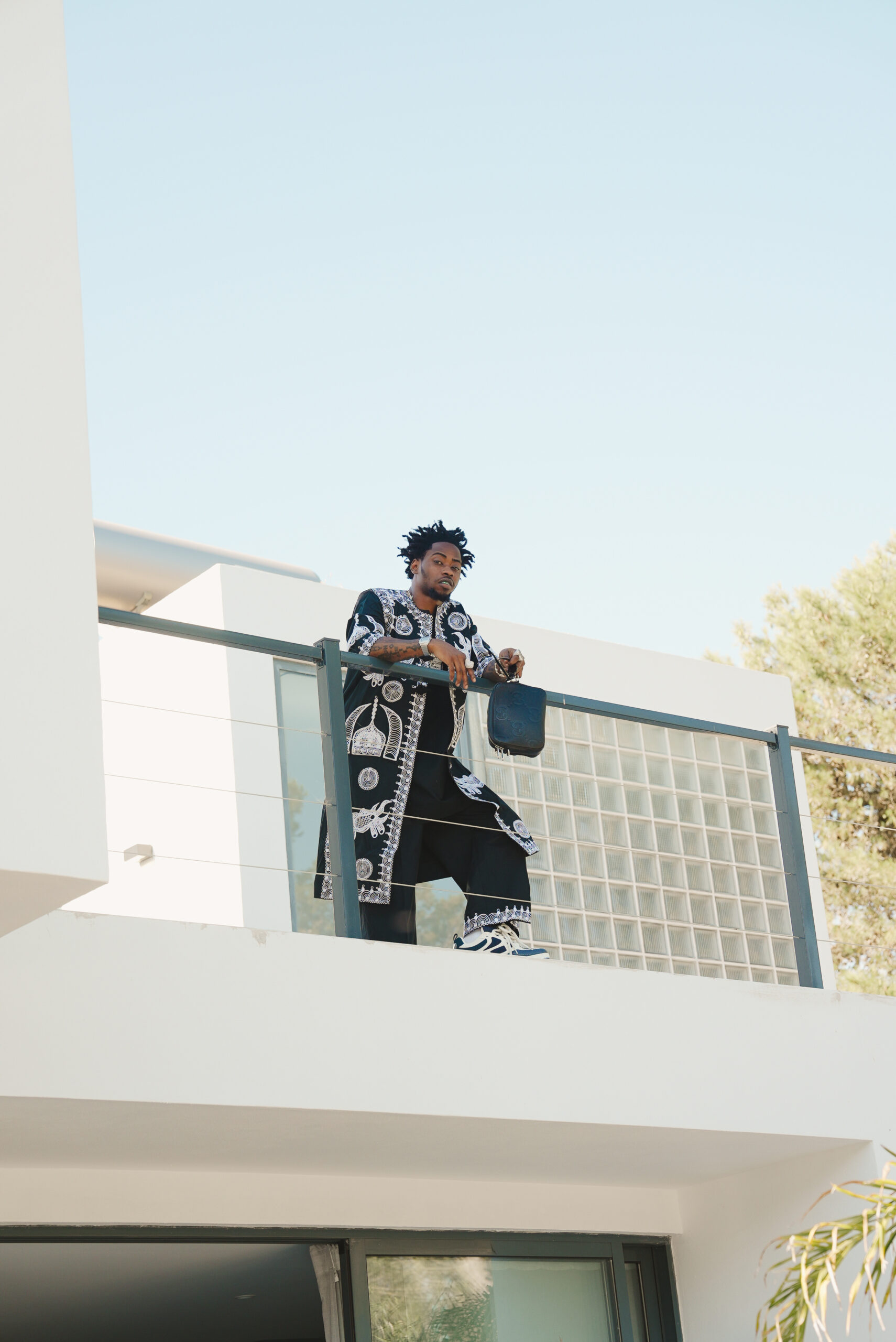
Outside music, he is also a fashion entrepreneur, building Iyoo Cartel into an identity that segues from clothing business to his music imprint. For Jeriq, “Iyoo” itself comes from the language of the streets, a language of survival and community.
Now one of the visible pillars of the new Eastern hip-hop movement, Jeriq continues to stretch his impact with every release. Catching up with Guardian Music, he peels back the layers of his roots: growing up around Onitsha, discovering hip-hop, surviving through menial jobs, finding his voice in Igbo rap, building Iyoo Cartel, and becoming one of the poster faces of Nigeria’s new wave of indigenous hip-hop.
You’ve been recording quite a bit lately. What have those sessions been like?
I’ve been recording music. I always record. I’ve also been collaborating with different artistes. Sometimes it happens naturally because we are in the same place. When I made “Oganigwe” with Zlatan, for instance, we were in the same studio. He played the instrumental; I wrote my verse there and recorded it.
Other times, somebody sends the song, and I record my verse and send it back. So, it really depends on the circumstance and the vibe around the recording.
Take us back to the first time you ever recorded music in a studio.
I think that was around 2014. While I was in secondary school, I was always writing lyrics in my notebooks. I loved writing generally; I even wrote novels.
During one of our mid-term breaks, I decided I needed to record one of the songs I had written. I searched for a free beat online and wrote a song called “Iyoo.”
There was a studio in Ochanja, Onitsha, that I always used to see whenever I passed through the market. So, I took a bus there, told the producer I wanted to record, paid him, and recorded the song. “Iyoo” became popular on the streets back then, and that was how people started calling me Iyoo.
How were you able to afford recording at that time?
I was doing a lot of menial jobs. I used to carry blocks around the building-materials area. I also worked at a pure-water factory called U-Mountain Table Water. After work, we would carry water from the factory and sell.
I was just doing different things, saving up whatever I could, and then I would go and record.
Was there ever a point where the struggle made you consider stopping music?
There were a lot of times I was discouraged. Imagine doing music and trying to look fresh for the music, then people would still see me doing those jobs. It could be discouraging because I wanted my life to look a certain way.
But I remembered there was something I wanted to achieve, so I stopped paying attention to what people were saying. I just kept looking at where I wanted to go.
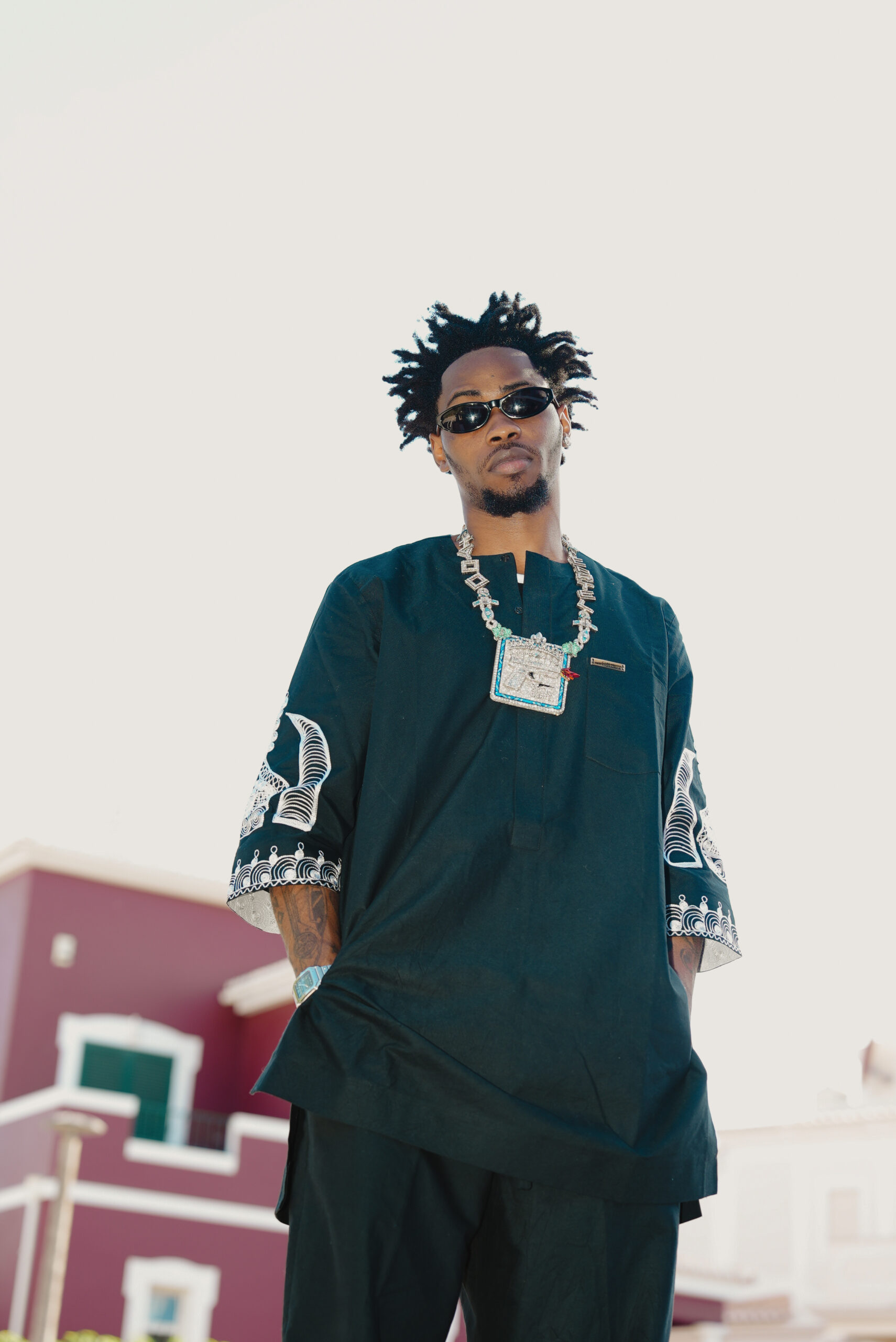
Where did the Iyoo identity come from?
Iyoo is what we call each other around Onitsha. I was born there, although I’m from Enugu State. Iyoo, to me, is like saying, hustler.
My first song was also called “Iyoo.” Later, when I started getting some recognition in music, I noticed artistes had record labels, collectives, or brands around them. I wanted my own, but every name I thought about sounded foreign to me.
Iyoo was different because it was already part of my everyday life. I wanted to push that culture to the world so it wouldn’t just die in Ochanja or on the streets. Then I added Cartel to it, and that became Iyoo Cartel.
Why did you choose rap, considering the other styles of music you heard growing up?
I just loved rap. My dad played a lot of highlife music when I was growing up, but I always saw myself rapping.
In secondary school, I would rap for my classmates, and afterwards I would hear them using some of my lines as slang or as replies to each other. That always stayed with me.
When I started hearing trap music from America, I also felt we could do our own version here. They were doing it in Atlanta and Chicago, so why couldn’t we do it in Enugu, Anambra and other parts of the East, using Igbo?
That thinking was part of what pushed my trap movement.
What was your headspace while making Billion Dollar Dream?
I didn’t make it with the mindset of saying, “I’m making this so it becomes successful.” I was making music to motivate the streets and motivate myself.
Coming from where I came from, we didn’t really have somebody in our immediate streets to look at and say, “This person came from here and became a superstar.”
So Billion Dollar Dream was me telling the streets that we could achieve this. The dream actually started from Hood Boy Dreams. We achieved some of the things we were dreaming about then, so we upgraded the dream to a billion dollars.
We haven’t achieved the billion yet, though. We are still on the way.
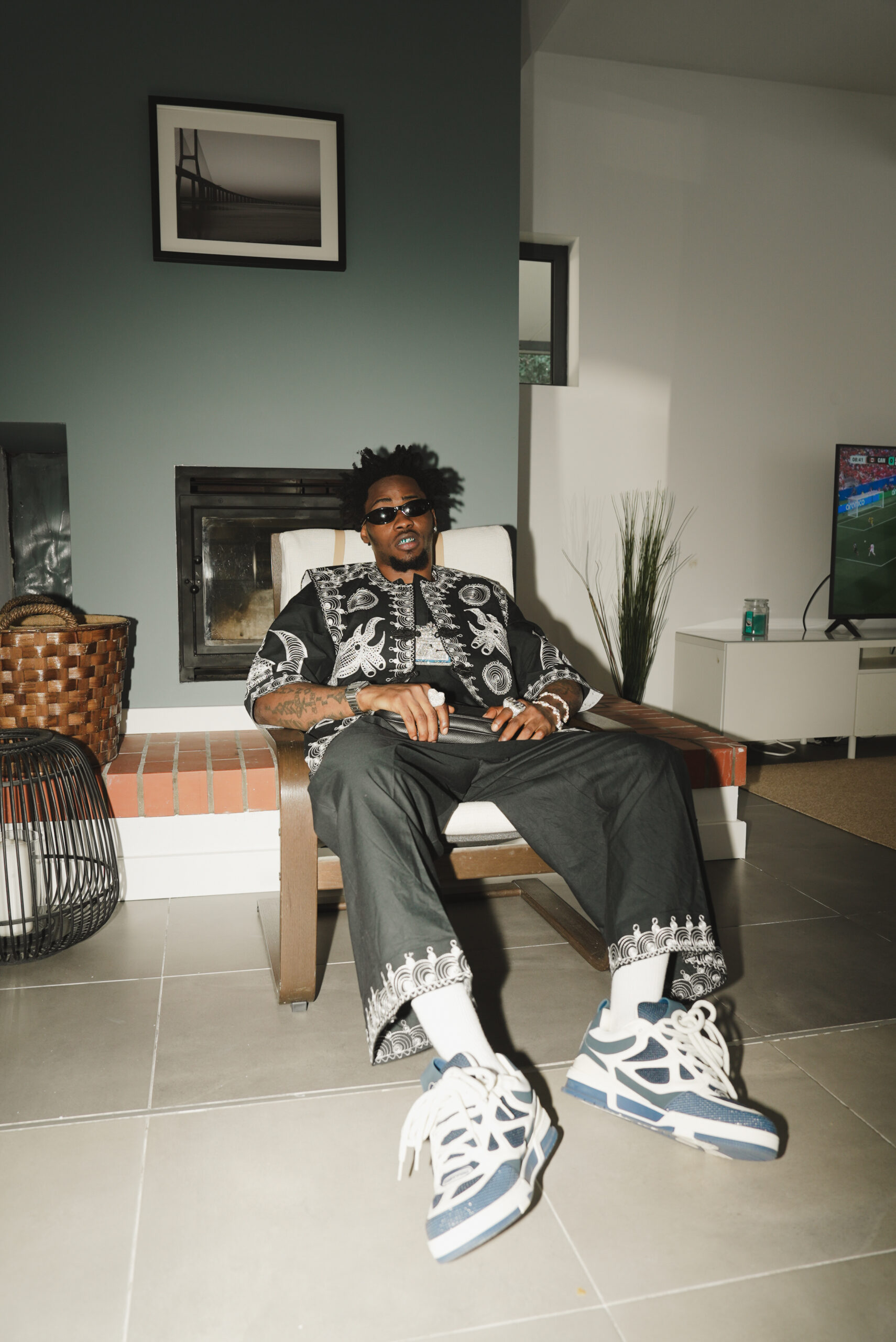
You collaborate with artistes from very different musical worlds. How intentional is that?
It’s actually not intentional. It was only recently that I started seeing people online pointing it out. I have songs with people from different scenes, but these are also people I know personally. We chill together, they come to my crib, I go to theirs. The collaborations happen naturally.
And because I rap in Igbo doesn’t mean I limit myself to Igbo rap. I have party jams, amapiano songs, gospel songs and records where I’m rapping strictly in English.
When I collaborate with somebody, I try to bring their world into mine too, so their listeners can also connect with what we make.
Which song has demanded the most from you emotionally?
I think “True Life Story.” That is probably the song where I’ve been most vulnerable.
When I was recording it, I wanted somebody to hear the song and have a picture of my life without even meeting me. I rapped about losing my dad, my brothers, things I did while growing up and my secondary-school experiences.
Writing all of those things brought back a lot of nostalgia. I had to put myself back into those moments so I could remember them properly. It messed with me mentally because I was remembering things I had already forgotten.
Are you more of a writer or a freestyler?
I’m more of a writer. I freestyle too, and I freestyle a lot, but writing is where I’m strongest.
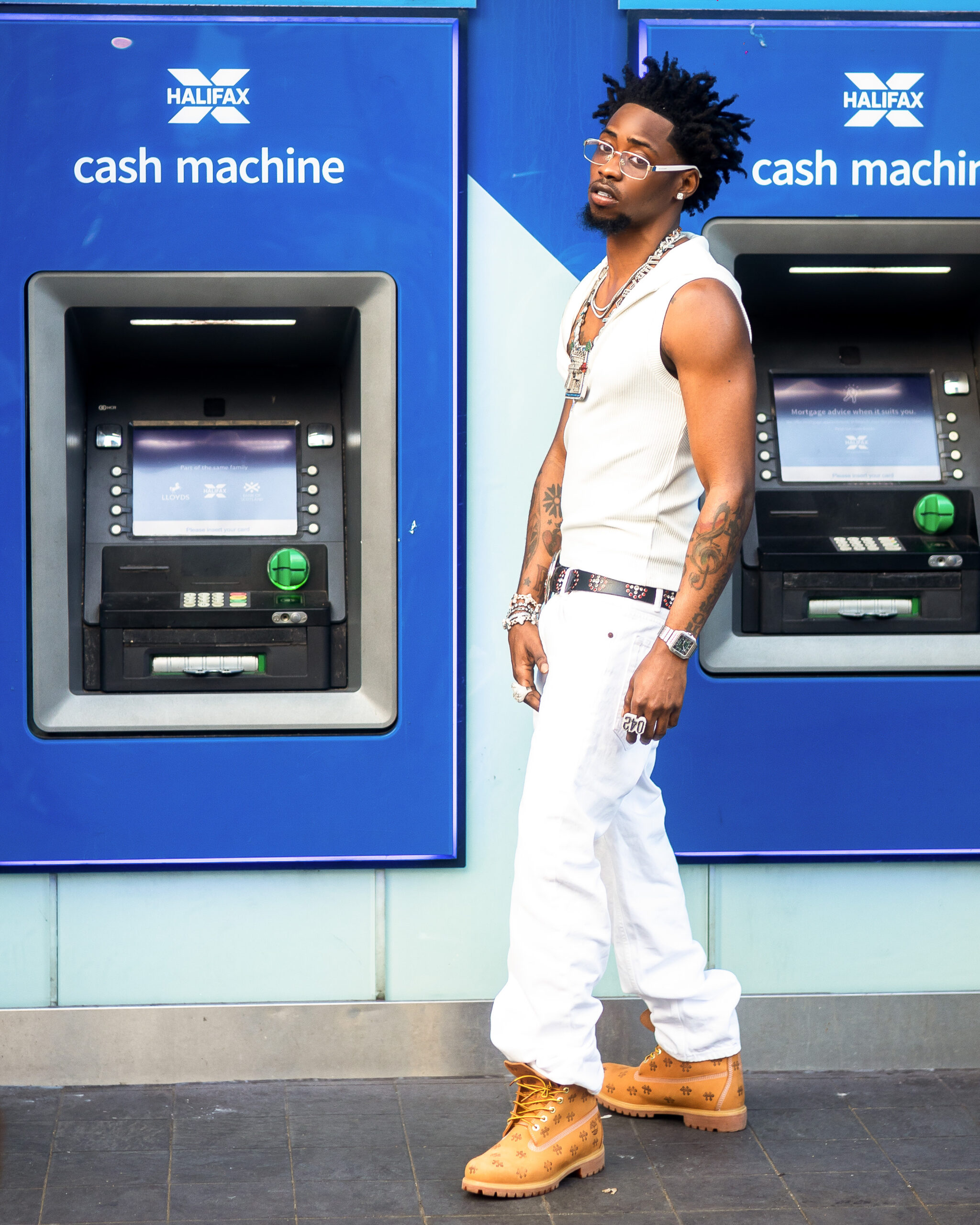
Fashion has also become part of the Iyoo Cartel identity. Where did that begin?
Swag has always been in my DNA.
Growing up in Onitsha, even before I could afford designer clothes, I would see something I liked on MTV Base or YouTube and try to recreate it in my own way. I could buy a polo, cut it, take it to a tailor and tell them to add a zip or beads. By the time we were done, it would look like something completely different.
When music started growing, fashion also became a survival tool. I couldn’t keep doing some of the menial jobs I used to do because people already knew me.
So, if I had a show, I could buy a plain white polo, print the Iyoo Cartel logo on it and perform in it. People would see it and ask for one. If two or three people wanted it, I would make more and sell them. That was how the fashion side of Iyoo Cartel really started.
Your following in the East feels intensely organic. Why do you think people connect so strongly with your music?
For me, it was 100 per cent organic. It was after I started getting into certain rooms that I even learnt there were things called PR and marketing.
When I dropped my first EP, I didn’t even know there was something called the Apple Music chart. I uploaded the music myself.
I think the streets were missing something. There was hip-hop and there were different genres happening in the East, but there wasn’t really a hustle-based artiste talking directly to the streets, motivating them and giving them hope.
I think I filled that space. People started seeing themselves in me because I tell stories about their experiences.
Sometimes somebody will walk up to me and say, “Bro, anybody tell you say this thing happen to me?” because something I rapped about is exactly what happened in their own life. I think they see themselves in me.
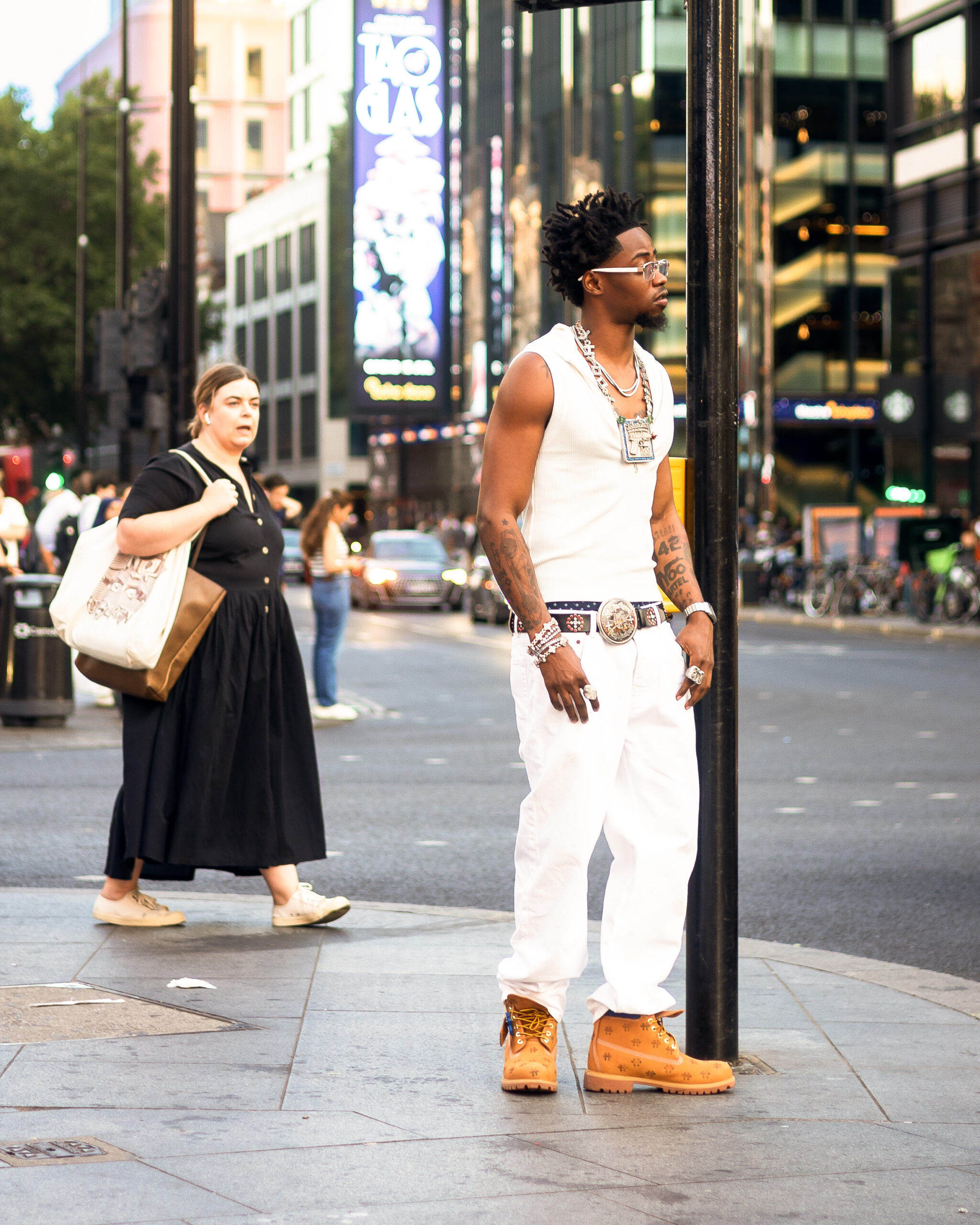
What does Jeriq do when he isn’t making music?
I design clothes. I play table tennis a lot. I go to the gym too.
I’m more of an introvert, to be honest. I mostly go outside when I’m getting paid.
Finally, what is the larger dream for Jeriq?
My dream is to take this music global. I want to take it to the world so people everywhere can hear the Igbo sound coming from this generation.
That is my mission: take it global and motivate the streets.