 Follow Us on Google News
 Follow Us on Google Discover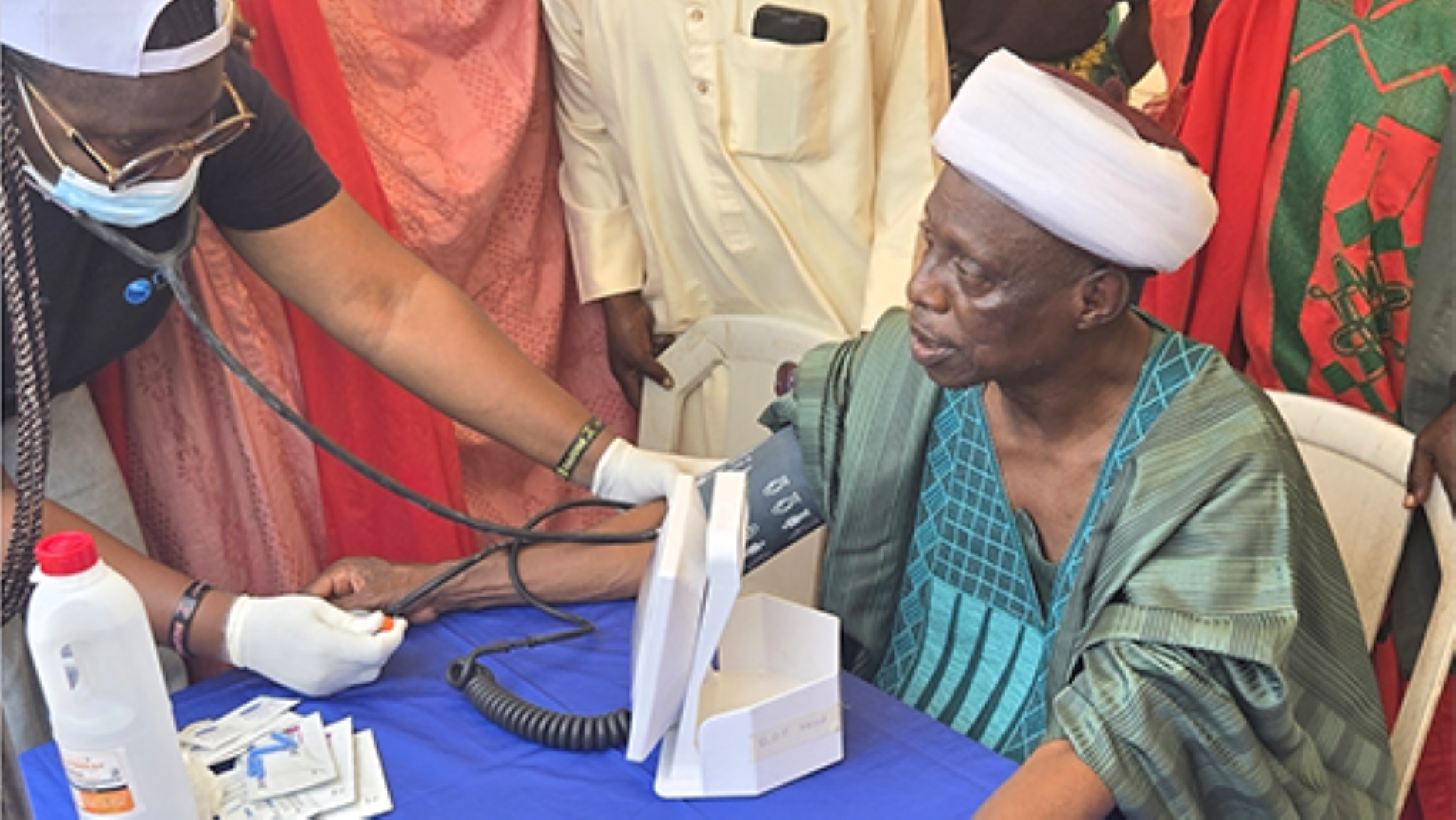
The Junior Chamber International (JCI), Ikeja, has provided free health screening and medical services to more than 2,000 residents as part of its yearly community health intervention.
The exercise, tagged “Commit to Quality Health,” held last Saturday and covered screening for blood pressure, blood sugar, malaria, tuberculosis (TB), Human Immunodeficiency Virus (HIV) and hepatitis B, alongside dental and oral health checks and distribution of free drugs.
President of JCI Ikeja, Olubunmi Fadare, said the initiative was part of the organisation’s yearly programme aimed at taking healthcare education and basic medical services to communities.
Fadare said the programme was designed to encourage residents to take their health seriously and seek medical attention when necessary.
She said the latest exercise was the second phase of the programme organised by JCI Ikeja this year, following the first phase held to commemorate World Health Day, which reached more than 500 people.
According to her, the second phase was supported by the Crocodile Foundation through a grant secured for the project, allowing the organisation to expand its reach to more than 2,000 beneficiaries.

“This year is quite different because this is phase two of Community Quality Health. The first phase was to commemorate World Health Day, and this one, we are attending to a larger number of people,” she said.
Fadare said more than 30 medical personnel attended to beneficiaries during the exercise, with dedicated sections for tuberculosis, dental and other medical services.
She commended the Ikeja Local Government for partnering with JCI and providing the venue for the exercise, noting that such collaboration made it easier for residents to access the services.
Fadare also urged residents not to disregard free healthcare services, stressing that the fact that the services were provided at no cost did not mean they were inferior.
She said JCI had conducted a community rally across different wards ahead of the exercise to sensitise residents and encourage them to participate.
On Nigeria’s healthcare system, Fadare called for greater investment in public healthcare infrastructure and more functional medical centres with adequate doctors and other healthcare professionals.
She said expanding access to public healthcare would help reduce the challenges faced by residents seeking medical attention.
Also speaking, Executive Vice President (Southwest), JCI Nigeria, Idara Michael, said the organisation would assess the impact of the intervention after the exercise.
Michael said JCI would collect feedback from beneficiaries, analyse the outcome and identify areas that required improvement.
She noted that the community health programme had been running since 2017, adding that the organisation had continued to improve its approach based on feedback from previous editions.
“We are getting better. Standard is still the same, but efficiency and improvements, we keep getting better,” She said.
Michael said JCI would return to the community after the exercise to assess its sustainability and impact, stressing that the organisation did not simply implement projects and leave the beneficiaries.
She also called for stronger collaboration between JCI and government at the local, state and national levels.
According to her, JCI was non-political and non-partisan, but would continue to work with government and other stakeholders to influence policies and promote community development.
The Executive Chairman of Ikeja Local Government, Akeem Olalekan Dauda, who attended the programme alongside members of his cabinet, said the partnership between the council and JCI was not a one-off initiative, noting that both organisations had previously collaborated on healthcare awareness and intervention programmes within the community.
The chairman, however, expressed concern over the low turnout of children for the medical exercise.
He urged parents and guardians to take advantage of healthcare opportunities provided by the council to monitor the health and wellbeing of their children.
Dauda also commended President Bola Ahmed Tinubu for the autonomy granted to local governments, saying the development had strengthened the capacity of councils to deliver social services and respond more effectively to the needs of their communities.

