 Follow Us on Google News
 Follow Us on Google Discover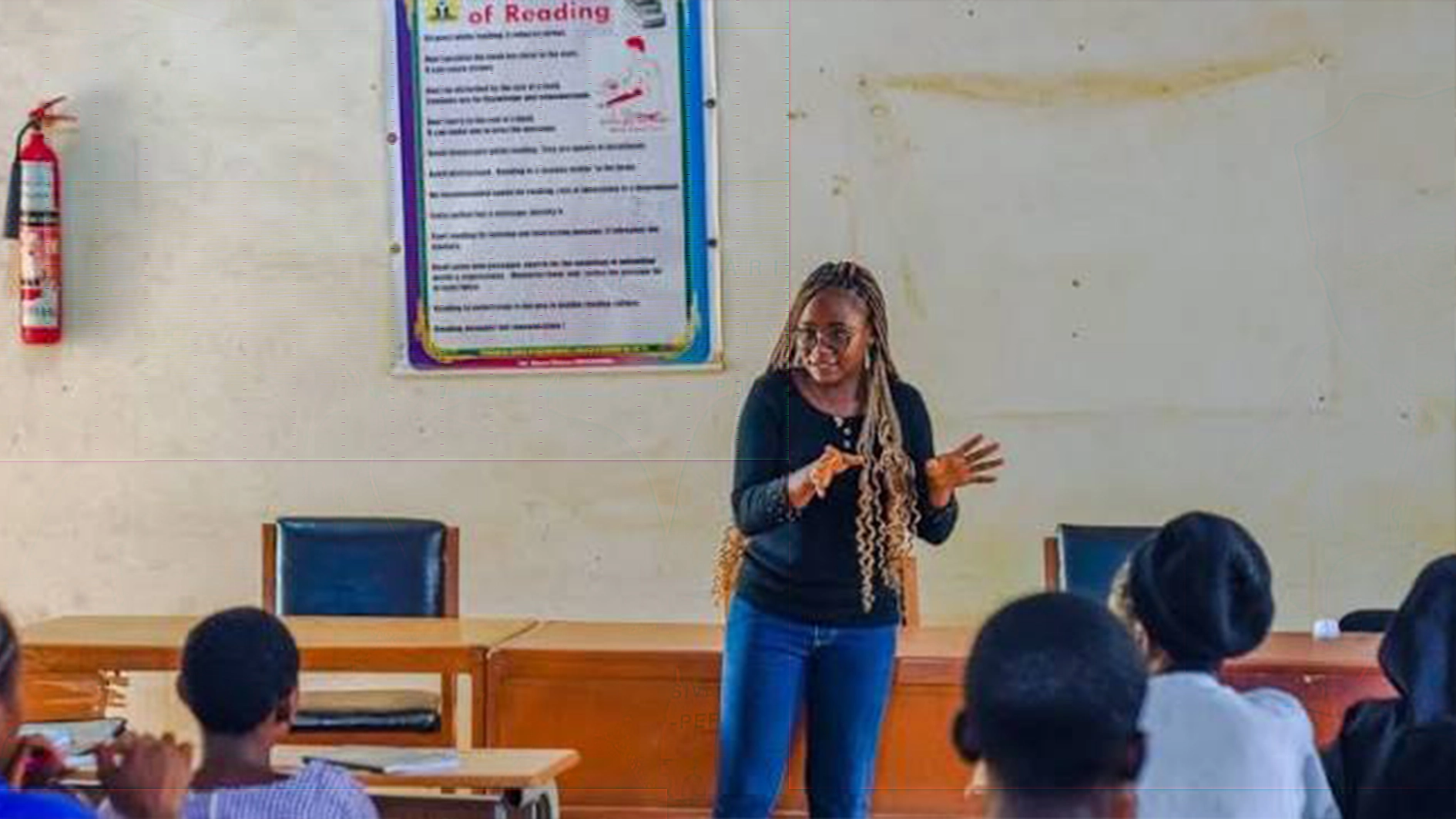
Amnesty International has warned that Poverty and entrenched social attitudes are driving many Nigerian girls out of school into early marriage, as it called for stronger government action to protect girls’ rights and keep them in school.
The warning was issued during a programme organised by Amnesty International in Yola, to mark the 2026 International Day of the Girl Child.
Speaking during the programme, Amnesty International Nigeria‘s Media and Communications Manager, Dooshima Tsee, said Nigeria has the highest case of girl child marriage across the world noting that poverty remains one of the major factors pushing families to marry off their daughters, particularly when parents lack the resources to keep them in school.
Tsee said the situation was especially worrying because many girls are unable to complete their education, thereby limiting their ability to develop their potential and participate fully in society.
According to her, some parents resort to child marriage because they see it as one of the few options available to them in the face of economic hardship, making it necessary for governments and other stakeholders to strengthen support services for vulnerable families.
She noted that Amnesty’s intervention was aimed not only at educating girls about their rights but also at ensuring they know where to seek help when those rights are violated, adding that human rights organisations and law enforcement agencies cannot monitor what happens inside every home.

She urged governments to make reporting and support mechanisms more accessible at the grassroots, saying girls and families should know who to approach when they face child marriage, sexual harassment, discrimination or other forms of rights violations.
Also speaking, Amnesty facilitator, Rubecca Malgwi, said girls continue to face discrimination in education, household responsibilities, safety, freedom of expression and access to menstrual hygiene, stressing that these everyday experiences often determine whether they can remain in school. She said the programme sought to help girls understand that they have the right to education, protection, expression and fair treatment.
Students at the event from various schools called on the government to persuade parents to stop forcing girls into early marriage, insisting that girls have dreams beyond marriage, adding that an educated girl could become an educated mother capable of educating an entire family, further arguing that “a girl is supposed to have ambition and dreams that are bigger than marriage.”

