 Follow Us on Google News
 Follow Us on Google Discover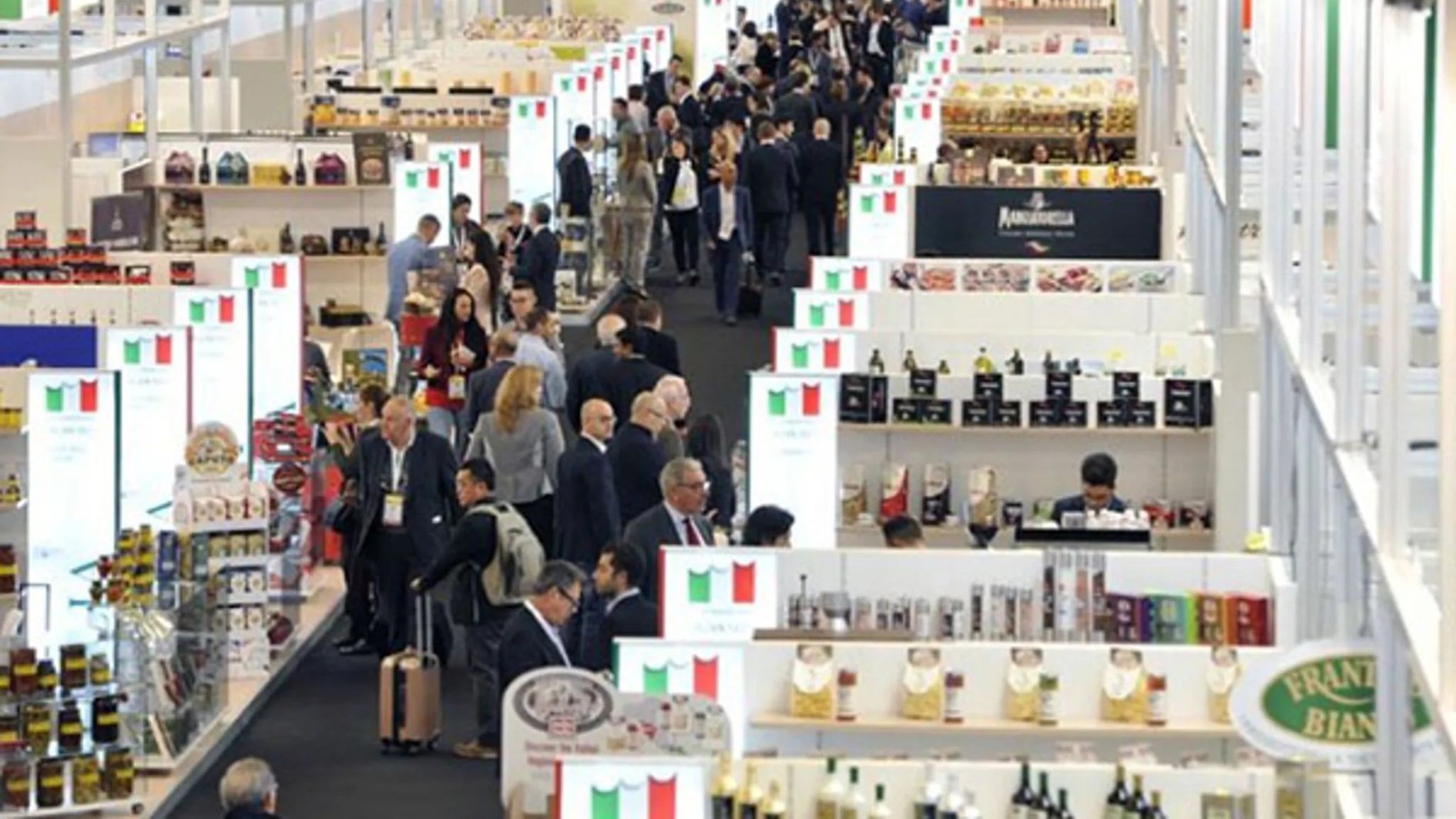
Nigeria’s food and drink market could grow to $84.83 billion by 2032, intensifying the need for local businesses to strengthen food processing, preservation and distribution as changing consumer demands reshape the industry.
The country’s food and drink market was valued at approximately $53.87 billion in 2024, according to estimates by Market Research Store cited in a report accompanying SIAL Paris 2026, the international food trade exhibition scheduled to hold in France from October 17 to 21.
However, turning the projected growth into jobs, investment and stronger domestic production will depend on the capacity of Nigerian businesses to reduce post-harvest losses, improve supply chains and deliver affordable, quality products to an increasingly urban population.
These challenges are expected to feature prominently as a Nigerian business delegation prepares to participate in the exhibition at Paris Nord Villepinte, France, where international food manufacturers, retailers, distributors and food-service operators will explore innovations and commercial opportunities across the food value chain.
According to Akin Akinbola, representative of Promosalons Nigeria, Cameroon and Gabon, the delegation will comprise members of the National Association of Supermarket Operators of Nigeria, the Association of Professional Food Service Providers of Nigeria and the National Association of Nigerian Traders.
Their participation comes as food retailers and service providers face pressure to respond to evolving consumer preferences while managing the costs and logistical challenges associated with sourcing, processing, storing and distributing food.

The exhibition’s accompanying report identifies urbanisation and population growth as major forces reshaping global food demand. The United Nations estimates that 68 per cent of the world’s population will live in urban areas by 2050, compared with 55 per cent in 2018.
The shift is expected to increase demand for convenient food products, ready-to-eat meals, modern retail outlets and food-delivery services, placing greater emphasis on efficient processing, packaging, storage and distribution.
For Nigeria, where the food market is projected to expand substantially over the next six years, these changes present opportunities for local manufacturers and retailers. But they also expose weaknesses in the systems needed to move food from farms and processing facilities to supermarkets, restaurants and households at competitive prices.
Poor preservation and inefficient distribution can increase waste and costs, limiting the benefits of higher production. Strengthening these systems could help businesses retain more value locally while improving the availability and affordability of food.
A major feature of SIAL Paris 2026 will be the 30th anniversary of SIAL Innovation, a competition organised in partnership with ProtéinesXTC to recognise products and concepts shaping the future of the food industry.
According to the exhibition’s September press release, more than 2,750 products were submitted for the anniversary edition, with 775 selected, marking a record for the competition.
The entries reflect growing interest in functional foods, plant-based alternatives, fermented products, convenient food formats and more sustainable production methods.
Among the examples highlighted are plant-based steak, protein-rich surimi noodles, fermented fruit drinks, water-fried potato chips and packaging designed to reduce refrigeration requirements. Other innovations demonstrate how by-products from food processing can be converted into higher-value ingredients.
For Nigerian businesses, such developments could offer opportunities to diversify product lines, improve catering services and develop locally adapted alternatives using domestic agricultural produce.
The potential gains, however, will depend on whether the technologies and products can be adapted to local market conditions. Purchasing power, consumer acceptance, regulatory requirements, electricity costs and access to suitable storage and distribution infrastructure will influence how readily businesses can adopt them.
The exhibition will also feature SIAL Taste, where visitors can sample more than 100 selected products, while SIAL Live will host presentations and discussions on food innovation. The Public Choice and Top 3 Countries awards are scheduled for October 20.
Organised by Comexposium, SIAL Paris is part of the international SIAL Network, which connects food and beverage trade exhibitions across several markets.
For the Nigerian delegation, the commercial value of the event will extend beyond discovering new products. Engagement with international suppliers and industry operators could help local businesses identify technologies, sourcing arrangements, packaging methods and distribution models suited to their operations.
The challenge will be translating those contacts and insights into measurable improvements at home. Without stronger local processing, more efficient preservation and reliable logistics, growth in the food market may not translate fully into domestic industrial expansion and employment.
As Nigeria’s food market moves towards its projected $84.83 billion valuation, the ability of local businesses to improve productivity, limit losses and compete on quality and price will be critical to capturing a greater share of the opportunities.

