 Follow Us on Google News


 Follow Us on Google Discover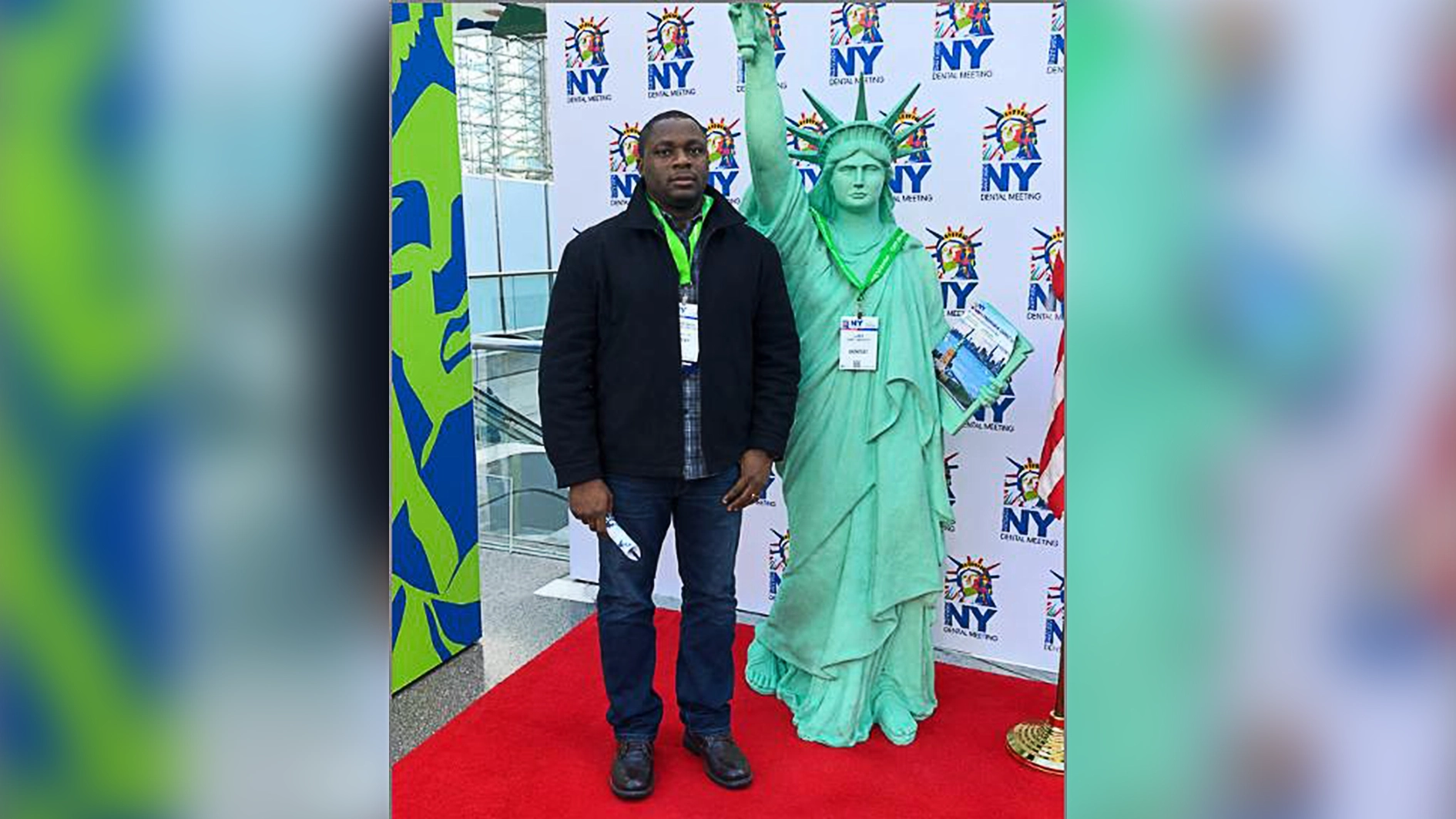
For Ehizogie Paul Adeghe, the challenge of improving oral health begins long before a patient arrives at a dental clinic in pain. It begins with knowing when to seek care, understanding how common dental diseases develop and finding a professional prepared to explain the options. Those concerns are accompanying the Nigerian dental practitioner to the 2013 Greater New York Dental Meeting, where he is joining an international gathering of dental professionals from November 29 – December 4 2013 .
Adeghe comes to the meeting with recent experience treating dental and periodontal abscesses, performing extractions, fillings and root canal procedures, and counselling patients on preventing disease.
Until October, he worked as a dental officer at State Specialist Hospital in Nigeria. The work placed him at the intersection of treatment and public education, where a routine appointment often revealed a wider need for clear information about oral hygiene.
His interest in prevention is grounded in practical encounters. Tooth decay and gum disease often require professional treatment, but patients also need understandable advice about cleaning, diet and regular assessment. At State Specialist Hospital, his responsibilities included developing individual treatment plans, maintaining clinical records and participating in community dental programmes. Those duties gave him opportunities to discuss oral health beyond the consulting room.
“In my work at State Specialist Hospital, I have treated dental infections and carried out routine procedures, but I also spend time explaining how patients and families can prevent avoidable problems. Community education is an important part of my work.”
“I wanted to broaden my understanding of developments in dentistry and learn from the professional exchange taking place at an international meeting,” Adeghe said of his decision to attend. “My clinical and community work in Nigeria had shown me the importance of combining treatment with prevention.”
The meeting provides a setting in which Adeghe is seeking practical lessons rather than a ceremonial milestone. He is interested in how practitioners explain preventive treatment, manage patient expectations and keep pace with developments in dental materials and techniques. The immediate question is how professional learning translates into clearer advice and more consistent care for the communities he serves.
Adeghe’s work at State Specialist Hospital followed a year as a dental house officer at the University of Benin Teaching Hospital, from July 2011 to June 2012. There, he diagnosed and treated basic dental conditions under supervision, assisted more experienced clinicians with complex procedures and participated in emergency dental services. He also helped educate patients about oral hygiene and preventive care.

“I am attending the Greater New York Dental Meeting to exchange ideas about clinical techniques, patient education and preventive care. I want to identify practical approaches that fit the needs and resources of the communities I serve.”
The move from supervised practice to a dental officer appointment brought wider responsibilities. At State Specialist Hospital, Adeghe handled routine dental treatment, worked with support staff and contributed to programmes addressing tooth decay and periodontal disease. He also served as assistant chairman of Community Development Service, a role connecting his clinical work with public-facing activities.
Such work is rarely confined to a single message about brushing. Community dental education must explain why symptoms deserve attention, what preventive services involve and how patients should respond when a dental problem develops. The audience may include schoolchildren, parents and adults who seek treatment only after discomfort disrupts daily life. Adeghe’s experience in schools and community settings informs his interest in making health information accessible.
His professional interests also raise questions suited to future investigation. Which methods of oral health education help families retain information? What prevents people from seeking early dental examinations? How should clinicians adapt preventive messages for different audiences? Adeghe’s work provides the clinical context for these questions, although the meeting is not being presented as a research presentation by him.
Adeghe sees international professional exchange as one way of testing his existing approach against ideas from other practitioners. Dental treatment depends on technical competence, but effective care also requires communication, ethical practice and careful follow-up. He hopes to return with ideas relevant to the way patients receive preventive advice and how dental teams organise routine care.
For communities in Nigeria, the value of such an encounter will be measured in everyday practice rather than in the distance travelled. A clearer explanation of gum disease, a better-informed decision about treatment or an earlier visit prompted by school-based education represents a practical direction for community work. These are goals Adeghe is pursuing, not outcomes already attributed to the New York meeting.
“When I return, I intend to bring useful lessons into patient counselling and community education. I want more people to recognise warning signs early and seek dental advice before an avoidable condition becomes an emergency.”
His record also shows why the preventive message matters to him personally. The same practitioner who treats an abscess may later explain to a community audience how dental disease develops and when professional assessment is necessary. The connection between clinical intervention and education is visible throughout his early appointments.
As he attends the New York meeting, Adeghe is looking for approaches he can adapt to that combination of responsibilities. He wants professional development to support patients who need treatment today while helping others avoid preventable disease tomorrow. For him, the purpose of travelling abroad is tied to work close to home: improving the way dental knowledge reaches people before their problems become more difficult to manage.
The public-facing part of his work has also taught Adeghe that a dental message needs to be repeated in different settings. Advice delivered during treatment reaches one patient at a time; a school or community session offers an opportunity to reach families who have not yet sought an appointment. He is interested in the practical differences between those encounters, including how people ask questions and what information they remember. The New York meeting is an opportunity to consider how colleagues address the same challenge through professional education and communication.

