 Follow Us on Google News


 Follow Us on Google Discover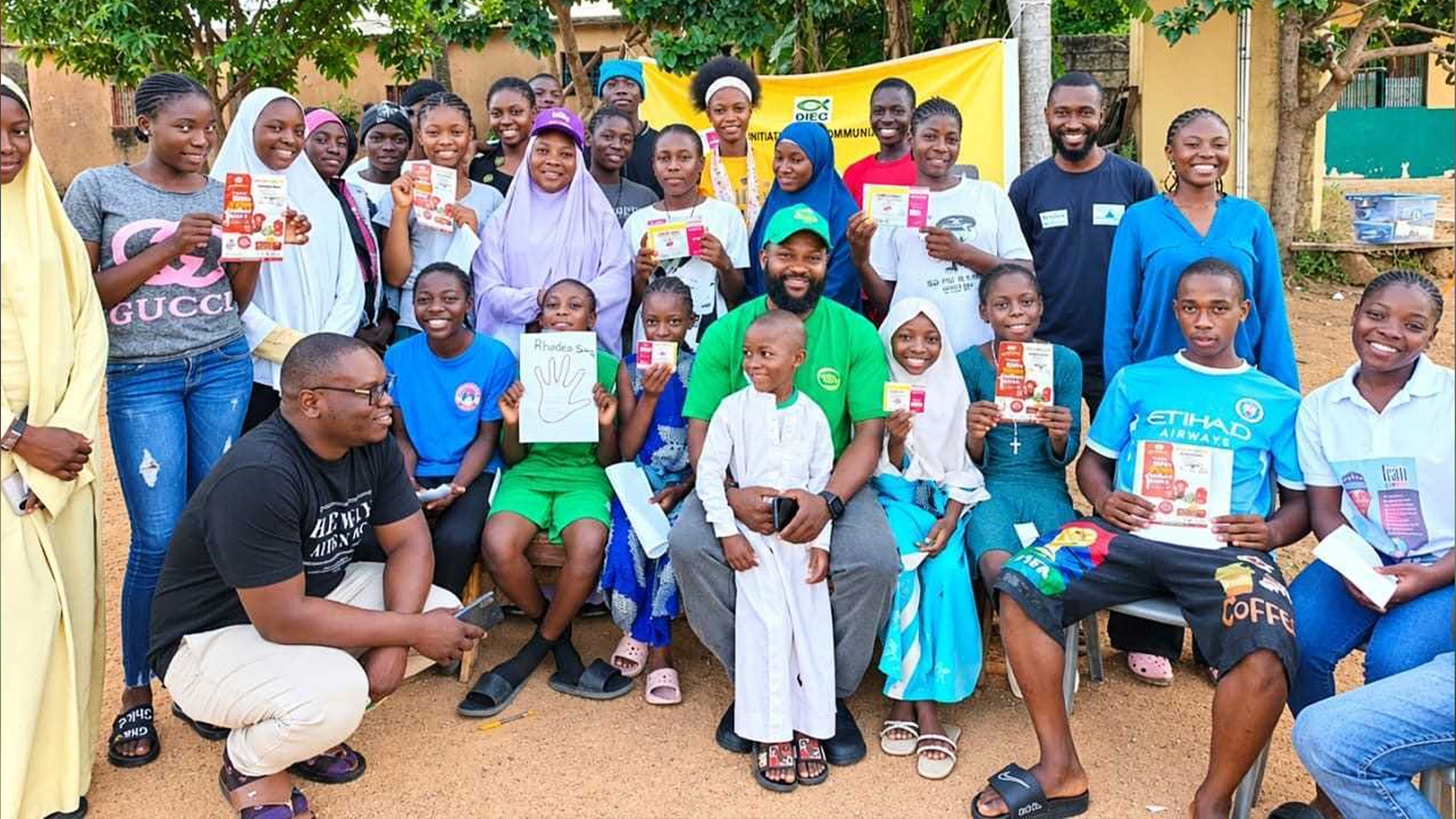
Secondary school students under the care of the Guardian Initiative for Community Development (GICD), a child-focused non-governmental organisation in Jos, Plateau State, are set to take their anti-malaria message from the classroom to their homes and communities following the organisation’s sponsorship of their participation in a nationwide health competition.
The intervention, which combines youth empowerment with public health advocacy, is aimed at equipping the students to promote malaria awareness and prevention as part of efforts to mobilise young Nigerians against the disease.
GICD endorsed the Geneith Health Competition (GHC), a nationwide initiative that engages secondary and tertiary institution students in malaria awareness, advocacy, research and community mobilisation.
The organisation said its decision to sponsor the students reflected its commitment to education, child protection and socio-economic resilience, particularly among children in underserved communities.
A representative of GICD’s management said providing young people with meaningful opportunities and exposure was essential to helping them make informed decisions and contribute positively to their communities.
“Our work at GICD is driven by the conviction that guided exposure is itself a form of protection, one that broadens perspectives and equips young people to make informed life choices,” the representative said.

The organisation added that participation in the competition would help bridge the gap between classroom learning and practical community engagement, enabling the students to become advocates for malaria prevention within their households and communities.
The endorsement followed an outreach and activation visit to GICD’s headquarters by the competition’s activator, Amos Sunday, who engaged the organisation’s management and facilitated the registration of the students under its care.
Sunday commended GICD for not only embracing the initiative but also sponsoring the students to remove financial barriers that might otherwise prevent them from participating.
“The enthusiasm and active participation displayed by the students during the activation session were inspiring,” he said.
He described the intervention as an example of how child-focused organisations could translate their commitment to education and protection into practical opportunities for young people.
According to him, the competition offers more than ₦1 billion in cash rewards, scholarships and gifts, providing students with incentives to participate in a campaign designed to strengthen public understanding of malaria prevention.
In a statement following the outreach, the organisers thanked GICD for sponsoring and encouraging the students to participate in the nationwide campaign.
“We commend GICD’s steadfast commitment to youth empowerment, health education, and the fight against malaria,” the statement said, stressing the importance of collaboration among organisations, schools and communities in building a healthier Nigeria.
Powered by Coatal Forte Softgel, the Geneith Health Competition is organised by CEOAFRICA and sponsored by Geneith Pharmaceuticals Ltd. It is implemented in collaboration with the Department of Public Health of the Federal Ministry of Health and Social Welfare.
The initiative seeks to nurture young Nigerians capable of promoting malaria prevention and supporting national disease-control efforts, particularly through behavioural change communication and community-level interventions.
Reacting to GICD’s endorsement, the Managing Director and Chief Executive Officer of CEOAFRICA and initiator of the competition, Prince Cletus Ilobanafor, alongside the Chairman of Geneith Pharmaceuticals Ltd, Chief Emmanuel Umenwa, described the development as a boost to the growing nationwide campaign against malaria.
They urged young Nigerians to embrace the role of “Ambassadors of the War Against Malaria,” using the platform to acquire knowledge, challenge misconceptions and promote preventive practices in their communities.
Ilobanafor said the involvement of community-based organisations demonstrated how youth empowerment could be integrated into national public health efforts, adding that sustained public participation was critical to defeating malaria.
“If we do not win this war against malaria, malaria will win the war against us.
“We must fight until we achieve total victory and freedom from this mosquito pandemic. I want a society where mosquitoes do not dictate the lifespan of our citizens. Every single life lost to malaria represents a stolen future and a blow to our nation’s progress,” he said.
He said the competition was designed to harness the intelligence, creativity and enthusiasm of young people to build a grassroots movement for malaria awareness and prevention.
Ilobanafor also urged field activators across states and communities to intensify mobilisation as the registration deadline approaches, warning against leaving eligible students out of the campaign.
Umenwa, in his remarks, called for renewed public health education in schools, homes and communities, saying collective responsibility was essential to tackling the disease.
“We must revive malaria education in schools, communities, and every household as a matter of urgency. Malaria has taken too much from us, but with commitment and shared responsibility, it can be defeated,” he said.
He disclosed that Geneith Pharmaceuticals had committed N1 billion to the competition, comprising N400 million in scholarships and cash rewards and N600 million worth of educational materials and outreach items.
According to him, the investment is intended to provide young people with the knowledge, resources and motivation to become effective advocates for malaria prevention.
Reaffirming his commitment to humanitarian service, Umenwa said his support for the initiative was driven by a desire to contribute to human well-being.
“I will do it over and over again. This is my purpose for the entire world. My company is first to serve humanity, and the little that remains is for my family and I,” he said.
He urged political leaders, school administrators, community organisations and non-governmental organisations to encourage eligible students to register before entries close.
GICD’s participation highlights the role community-based organisations can play in extending the reach of national health campaigns, particularly by giving young people access to platforms that connect education, empowerment and public service.
For the students from Jos, the competition offers an opportunity to take malaria awareness beyond school activities and encourage preventive action among families and neighbours.

