 Follow Us on Google News


 Follow Us on Google Discover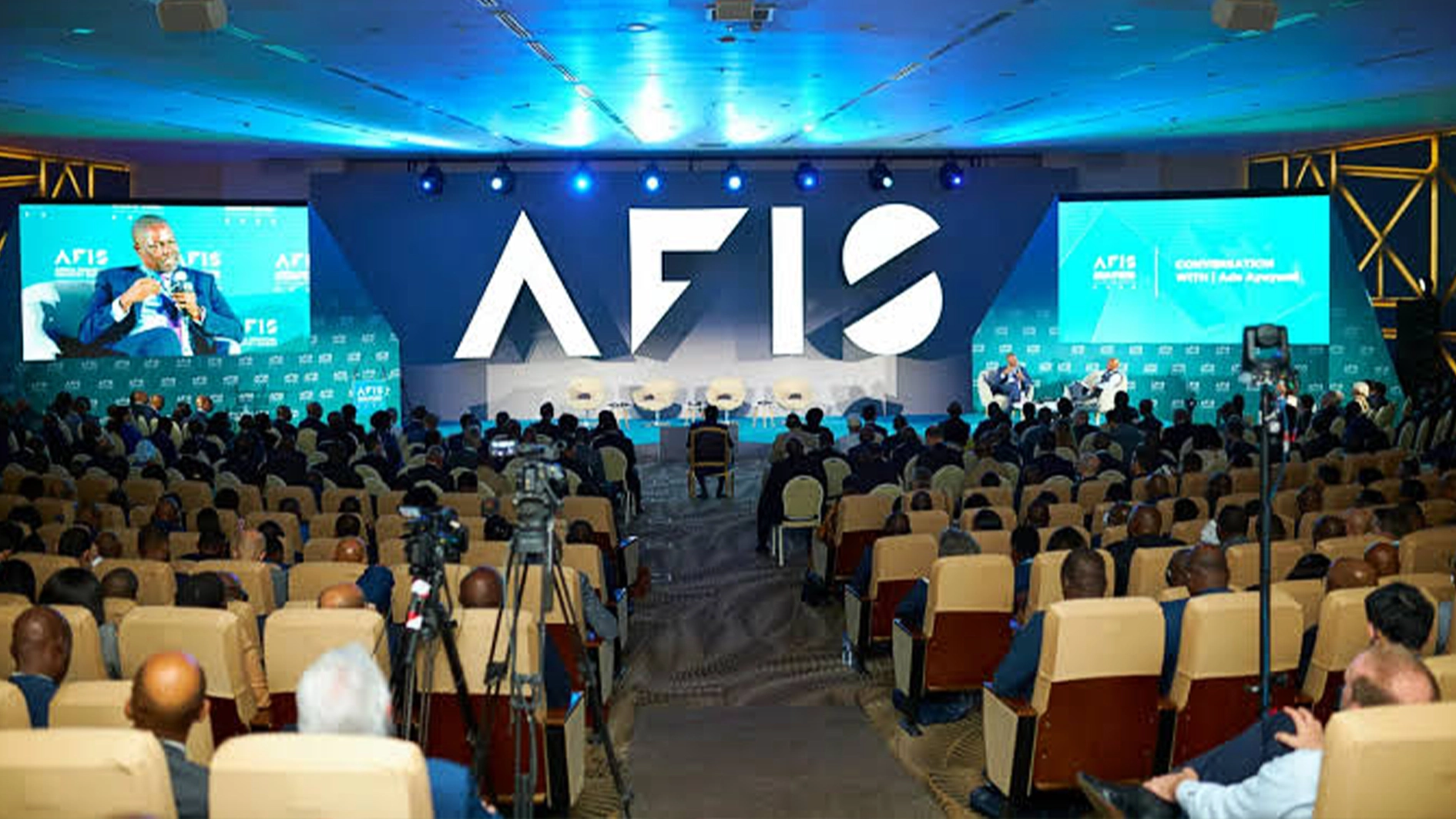
African financial regulators need to ease restrictions on institutional investors’ exposure to productive sectors to unlock more funds for businesses, infrastructure and other areas of the real economy, Hicham Al Morabet, Managing Director of the Africa Financial Industry Summit (AFIS), has said.
Speaking in an interview with The Guardian at the ‘Road To AFIS 2026: Making Capital Count’ Media Parley held in Lagos, Al Morabet said pension funds, insurance companies, sovereign wealth funds and other institutional investors have funds that could support economic development, but regulatory limits on sector exposure often constrain their ability to invest more in productive activities.
He said regulators must strike a balance between protecting the financial stability of pension and insurance institutions and allowing them to support sectors capable of creating jobs and improving livelihoods.
“Regulators could soften their regulations a bit when it comes to exposure to productive sectors,” Al Morabet said.
He explained that increasing available capital was only the first step, adding that the next challenge was to unlock the funds through appropriate regulatory reforms and then direct them towards bankable projects.
According to him, the shortage of bankable projects remains another major obstacle to the effective deployment of institutional funds, particularly into infrastructure.

“For infrastructure, a bankable project is an infrastructure financing project with the right risk-adjusted return. And for that, we need the de-risking instruments,” he said, citing the role of the International Finance Corporation and Nigeria’s InfraCredit in helping to reduce risks for institutional investors.
Al Morabet also called for stronger technical support for businesses, particularly small and medium-sized enterprises, larger companies and startups, to improve the quality of projects seeking investment.
He said governments and development finance institutions needed to help companies structure projects that could attract institutional investors, stressing that the challenge was to bring regulators, investors, governments, development finance institutions and businesses together.
“Once you have the right volume of capital, then you need to unlock this capital, and then the last step is how to mobilise this capital into the right productive economic projects,” he said.
On capital-market reforms, Al Morabet said regulators can make it easier for companies and SMEs to raise funds through equity listings, initial public offerings and bond issuances.
He proposed softer listing requirements for businesses and the creation of dedicated vehicles for SMEs as part of efforts to improve access to the capital market and increase liquidity.
For pension funds and other institutional investors, however, he acknowledged that regulatory changes must be carefully managed because the funds represent citizens’ savings and cannot be invested without appropriate safeguards.

