 Follow Us on Google News


 Follow Us on Google Discover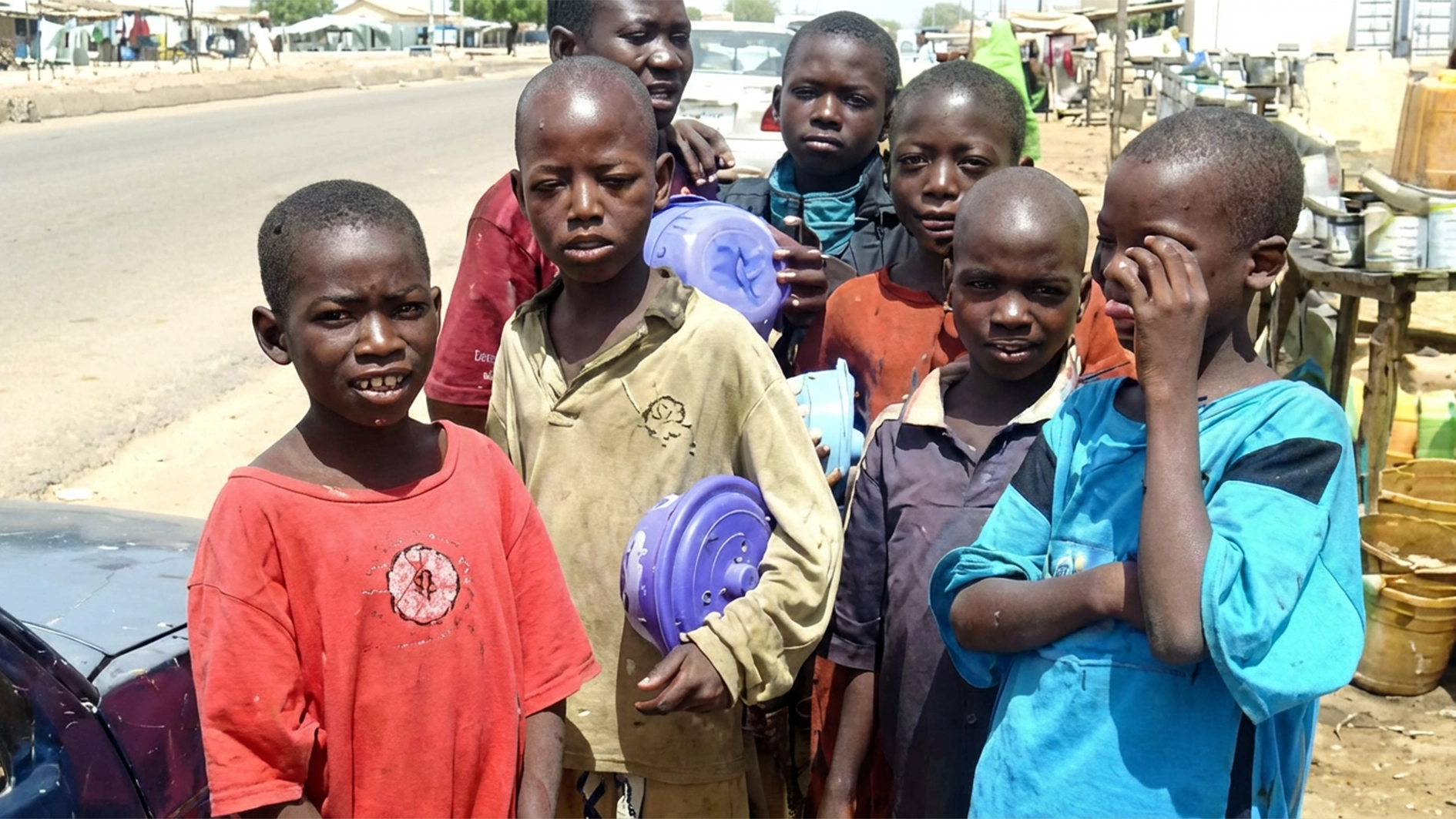
The Ibironke Adeagbo Foundation (IA-Foundation) has called for urgent investment in girls’ education, warning that poverty, child marriage and inadequate funding are undermining Nigeria’s economic potential.
The foundation said about 7.6 million girls are among the 18.3 million out-of-school children at the basic education level, stressing that keeping girls away from school deprives the country of future skilled workers, economic opportunities and social progress.
Speaking at a webinar organised to commemorate the 2026 International Day of the Girl Child, themed ‘Investing in the Girl Child’, the founder of IA-Foundation, Ibironke Adeagbo, urged the government and other stakeholders to make girls’ education a present priority rather than a future promise.
Adeagbo said educating a girl benefits not only the individual but also her family and community, calling on Nigerians to examine how much they are investing in the education and development of girls.
The webinar brought together education experts, policymakers, advocates and other stakeholders to examine how investment in girls’ education could drive economic growth and social transformation.
Delivering the keynote address, an international education strategist and consultant, Bolaji Osime, said educating girls could delay child marriage, expand economic opportunities and strengthen Nigeria’s long-term development prospects.

She, however, expressed concern that Nigeria allocates only about 6.1 per cent of its Federal Government budget to education, far below the 15 per cent benchmark cited at the event as recommended by UNESCO.
Osime identified poverty, harmful social norms, inadequate funding and weak enforcement of existing education laws as major barriers preventing girls from accessing education.
She warned that child marriage imposes significant economic costs on the country, while denying girls education limits their earning potential and deprives Nigeria of the benefits of a more educated workforce.
Osime cited developments in Abia State, where more than 10,000 teachers had been trained and hired, as evidence that deliberate government intervention could improve educational outcomes.
She called for increased education funding, scholarships for skills acquisition, cash transfers to vulnerable families, improved school infrastructure and stronger community engagement to keep girls in school.
The education strategist challenged stakeholders to take measurable action within the next 12 months to ensure that every girl has access to 12 years of free and safe schooling.
In a guest lecture, a legal practitioner and founder of the Stop the Abuse Against Women and Children Foundation, Toyin Taiwo-Ojo Ndidi, called for stronger enforcement of laws protecting girls against child marriage and other forms of abuse.
Speaking on the theme, ‘Ending Child Marriage: Protecting the Rights and the Future of the Nigerian Girl’, she recounted the case of a 14-year-old girl who was married off in Lagos State, warning that the practice persists even in cosmopolitan cities.
She attributed child marriage to poverty, inadequate education, social pressure and cultural attitudes that treat women as second-class citizens.
In some cases, she said, parents use girls as bargaining tools to settle debts, exposing them to abuse and denying them the opportunity to determine their own futures.
The speaker said Nigeria had adequate legal frameworks to protect children but lacked the political will to enforce them effectively.
She urged the government and civil society organisations to prosecute offenders and strengthen enforcement of the Violence Against Persons (Prohibition) Act.
She also advocated keeping girls in school, supporting vulnerable families, engaging traditional and religious leaders and strengthening child protection systems.
According to her, boys and girls must equally be taught self-discipline and respect for women’s bodies as part of efforts to prevent abuse and promote gender equality.
Also speaking, the Chief Executive Officer of Kizazi, Rhoda Odigboh, said building safer communities for girls required more than protection against physical violence.
Odigboh identified five dimensions of safety: physical, emotional, psychological, educational and relational.
She warned that less visible barriers, including low teacher expectations, unequal participation in classrooms and the underrepresentation of girls in textbooks and learning materials, could undermine girls’ confidence and limit their future opportunities.
She said policies and legal protections must translate into tangible improvements in the daily lives of vulnerable girls.
Odigboh called for gender-responsive teaching in teacher training programmes, functional referral systems for reporting gender-based violence and child protection concerns, free menstrual health support and safe sanitation facilities in schools.
She also advocated stronger collaboration among education, health, social welfare, justice and child protection agencies, disclosing that Kizazi was working with the Enugu State Government on an implementation research project on gender-responsive teaching.
A beneficiary of the foundation, Mercy Okemosi, shared her experience overcoming challenges and her ambition to become a professional in mass communication and a role model to other girls.
Her account drew messages of support and encouragement from participants.
In his remarks, the Acting Board Chairman, Olubowale Sangosanya, appealed to wealthy individuals, corporate organisations and other well-meaning Nigerians to support the foundation’s work.
He urged Nigerians to sponsor children’s education, volunteer or partner with the organisation, while calling on non-governmental organisations and the Federal Government to collaborate towards eliminating the number of out-of-school children in the country.
IA-Foundation, a non-profit organisation working to provide children from indigent backgrounds with access to formal education, said it had helped 105 children from the streets return to school through payment of school fees and provision of essential learning materials.
The organisation said its Sponsor a Child programme currently has 18 sponsors.

