GDN SIDEBAR
Women’s bodies vary in shape, skin texture, hair growth, and other features. These 17 points explain those differences, challenge common assumptions, and identify changes that deserve medical attention.
1. Cellulite
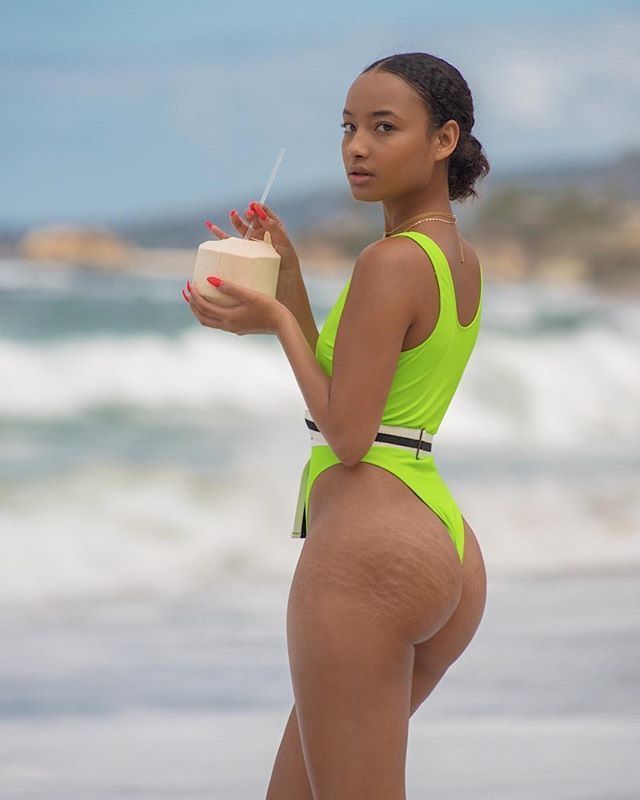
Cellulite creates a dimpled appearance, usually around the thighs, hips, and buttocks. It occurs when fat beneath the skin pushes against connective tissue and affects women of different sizes, including those who exercise regularly. It does not automatically indicate poor health or inadequate personal care.
2. Uneven breast sizes
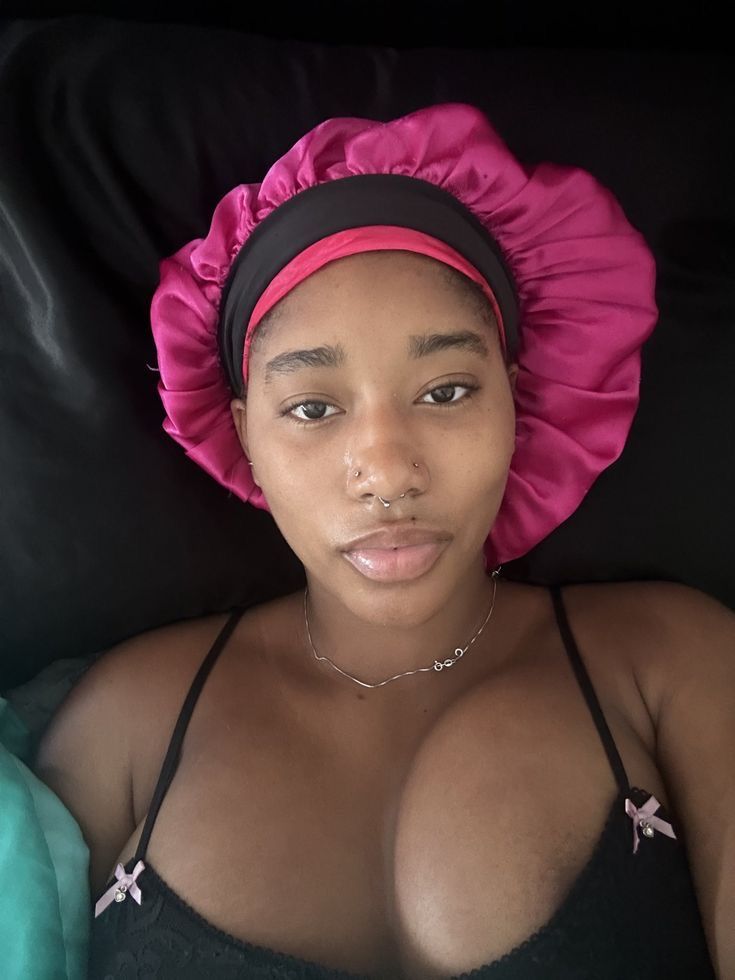
One breast may naturally be larger, fuller, or positioned differently from the other. A longstanding difference is often normal, but a new lump, skin dimpling, a newly inverted nipple, or sudden change in size should be assessed by a healthcare professional.
3. Hip dips

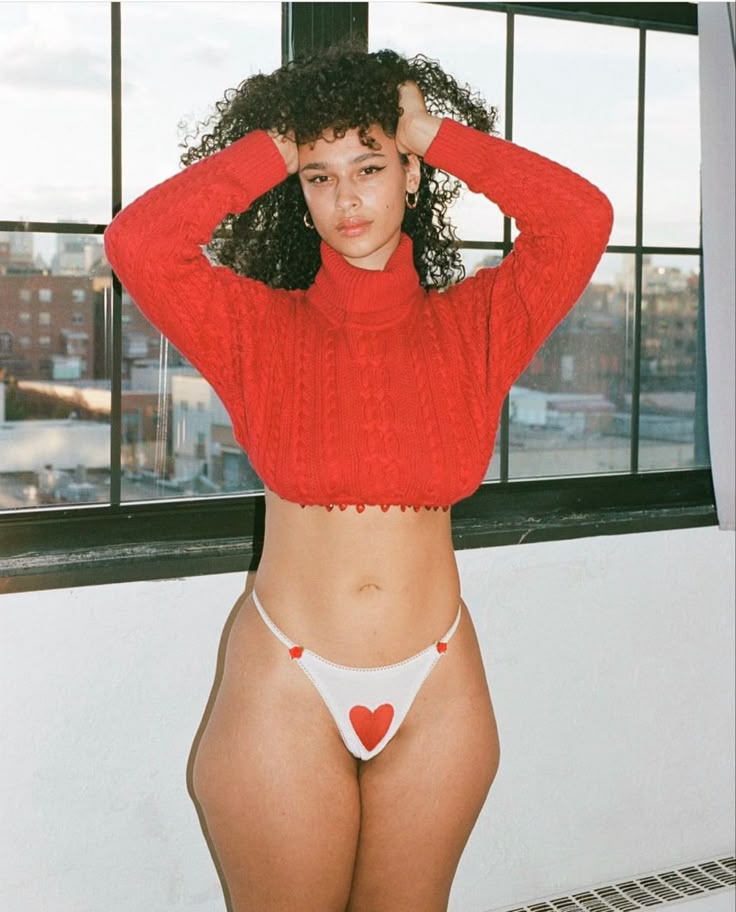
Hip dips are inward curves between the hips and upper thighs. Their appearance reflects bone structure, muscle, and fat distribution. Exercise may change the surrounding muscles, but it cannot change the underlying bones. Hip dips are a natural variation, not a defect.
4. A stomach that is not flat
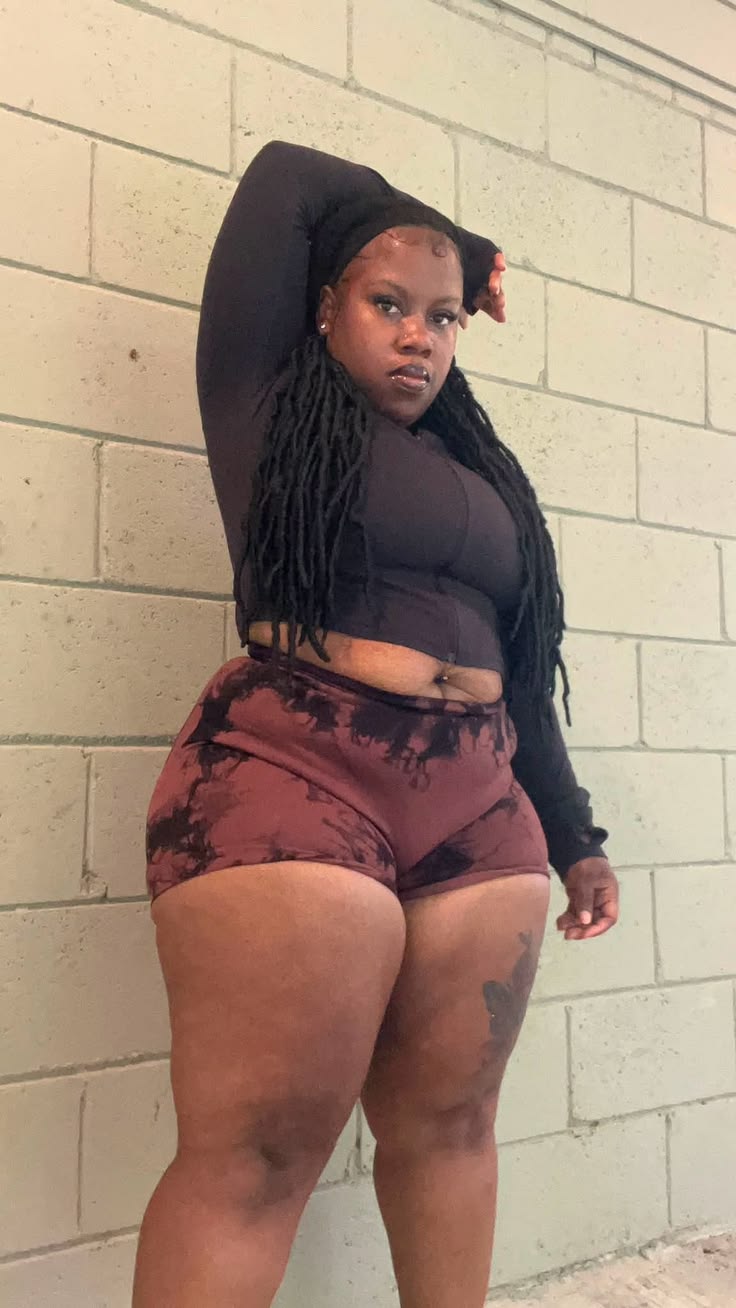
Abdominal shape varies with body fat, posture, digestion, hormonal changes and pregnancy. A woman’s stomach may also look fuller after meals or around her period. Its appearance alone does not establish her health or fitness, although persistent swelling, pain, or other unusual symptoms need medical attention.
5. Body hair

Women naturally grow hair on their legs, arms, underarms, faces, and pubic areas. Genetics and hormones influence its thickness and distribution. Removing it is a personal choice, not a measure of cleanliness, and shaving or waxing can cause irritation and ingrown hairs.
6. Darker skin around the vulva
The vulva, the external genital area, may be darker than the surrounding skin. Its colour varies naturally and can be influenced by hormones, genetics and friction. Darker pigmentation does not reveal a woman’s sexual history or mean she has poor hygiene.
7. Hair around the nipples
A few hairs around the nipples or areolae are a normal variation influenced by hormones and genetics. However, a sudden increase in coarse facial or body hair, especially alongside irregular periods or severe acne, deserves medical assessment.
8. Vaginal discharge
Discharge helps keep the vagina moist and carries away cells and secretions. It can be clear, white or creamy, with its amount and texture changing during the menstrual cycle. A new strong smell, unusual colour, itching, burning or pain should be checked.
9. Natural vaginal smell
A healthy vagina can have a mild scent that changes with menstruation, exercise or sex. It does not need to smell like perfume. The vagina cleans itself, while the external vulva needs gentle washing. Douching and scented products can irritate; a persistent fishy smell or accompanying symptoms deserve assessment.
10. Period bloating
Hormonal changes around menstruation can affect digestion and fluid retention, making the abdomen feel fuller and clothes tighter. This temporary change does not necessarily mean a woman has gained body fat. Severe, persistent, or worsening bloating, particularly with pain, should be assessed.
11. Darker underarms and inner thighs
Friction, hormones, genetics, and irritation can darken the underarms and inner thighs. This does not automatically indicate poor hygiene, and harsh scrubbing may worsen irritation.
12. Stretch marks
Stretch marks can develop during puberty, pregnancy, or changes in body size. They may initially look red, purple, or darker than surrounding skin, then fade over time. They are common skin changes, not proof of neglect, and creams or oils cannot reliably prevent or erase them all. Read more about stretch marks.
13. Periods can change over time
Menstrual patterns can change with age, stress, illness, contraception, pregnancy and breastfeeding. Bleeding and cramps also vary between women. Very heavy bleeding, bleeding between periods, severe pain or a sudden, persistent change should be discussed with a healthcare professional.
14. Different labia sizes and shapes
The labia, the folds of skin around the vaginal opening, vary in size, colour and symmetry. The inner folds may extend beyond the outer folds, and one side may be longer. Their appearance does not reveal sexual history or hygiene, although discomfort that affects daily activities warrants medical advice.
15. More discharge around ovulation
Around ovulation, cervical mucus may become clearer, wetter, and stretchier, sometimes resembling raw egg white. This can happen regardless of sexual activity and does not automatically indicate arousal or infection. Discharge alone cannot confirm ovulation or reliably determine whether pregnancy will occur.
16. Queefing or passing vaginal air
Queefing happens when trapped air leaves the vagina, sometimes during sex, exercise, or stretching. It is different from intestinal gas and is usually harmless. Persistent vaginal air accompanied by pain, foul-smelling discharge, recurrent infections, or stool leakage should be assessed.
17. Changes during arousal
During arousal, increased blood flow can make the clitoris and labia fuller, while lubrication may increase. These responses vary and do not establish consent. Persistent swelling, pain, itching, or sores should not be dismissed as arousal and deserve medical attention.