GDN SIDEBAR
As opera gradually finds its audience in Nigeria’s capital, performers confront the challenges of funding, infrastructure, and making classical music speak to African experience.
In a city better known for political theatre than operatic performances, a small community of singers is working to establish opera as a sustainable art form. Away from the commercial dominance of Afrobeats, hip-hop and gospel, these performers are building an audience for classical music while confronting the financial and infrastructural limitations that threaten their ambitions.
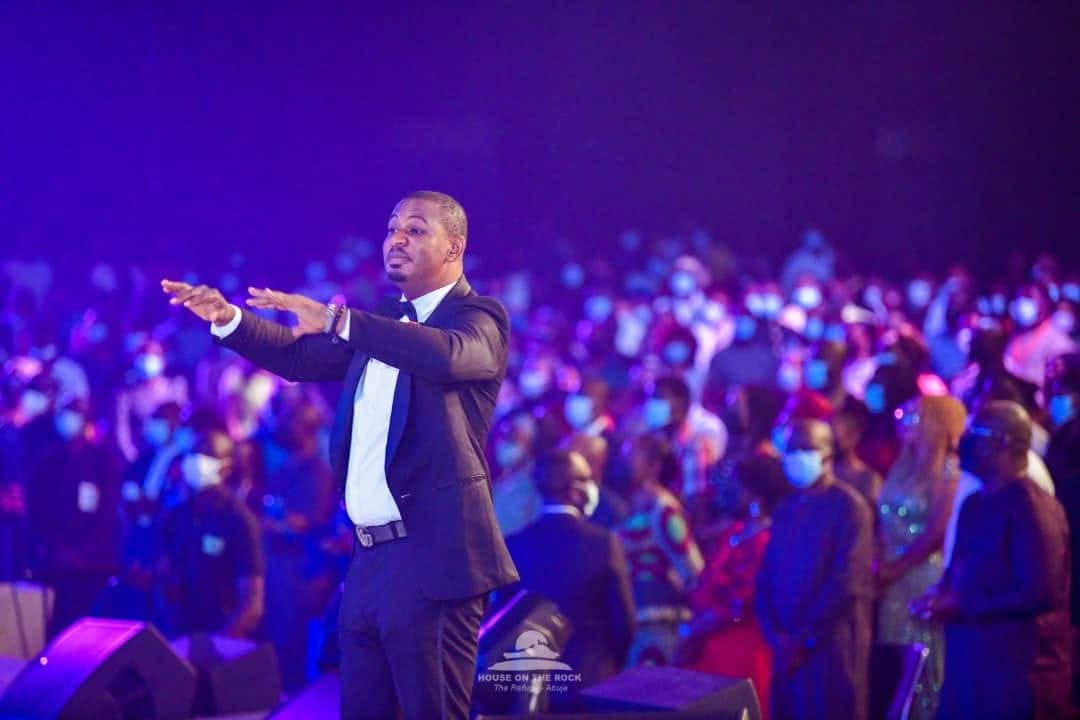 The journey gained structure in 2007 with the establishment of the Abuja Metropolitan Music Society (AMEMUSO), spearheaded by Maria Cecilia Toledo, then wife of the German ambassador to Nigeria, alongside co-founders including Sam C. Ezugwu, Abednego Okafor and James Agahyande.
Nearly two decades later, Opera Abuja, AMEMUSO’s annual production, has become a platform for promoting classical music and nurturing local talent.
“When we started in 2007, you couldn’t really point to an opera show in Abuja,” Ezugwu recalls. “Our goal was to promote opera and find a way to popularise the genre in Abuja and beyond.”
Yet, sustaining that ambition requires more than artistic commitment.
For Frank Okoye, known professionally as Frank De-Tenor, singing has evolved from passion into a livelihood. With between 15 and 20 years of experience, he has built a solo career through private engagements, events and invitations.
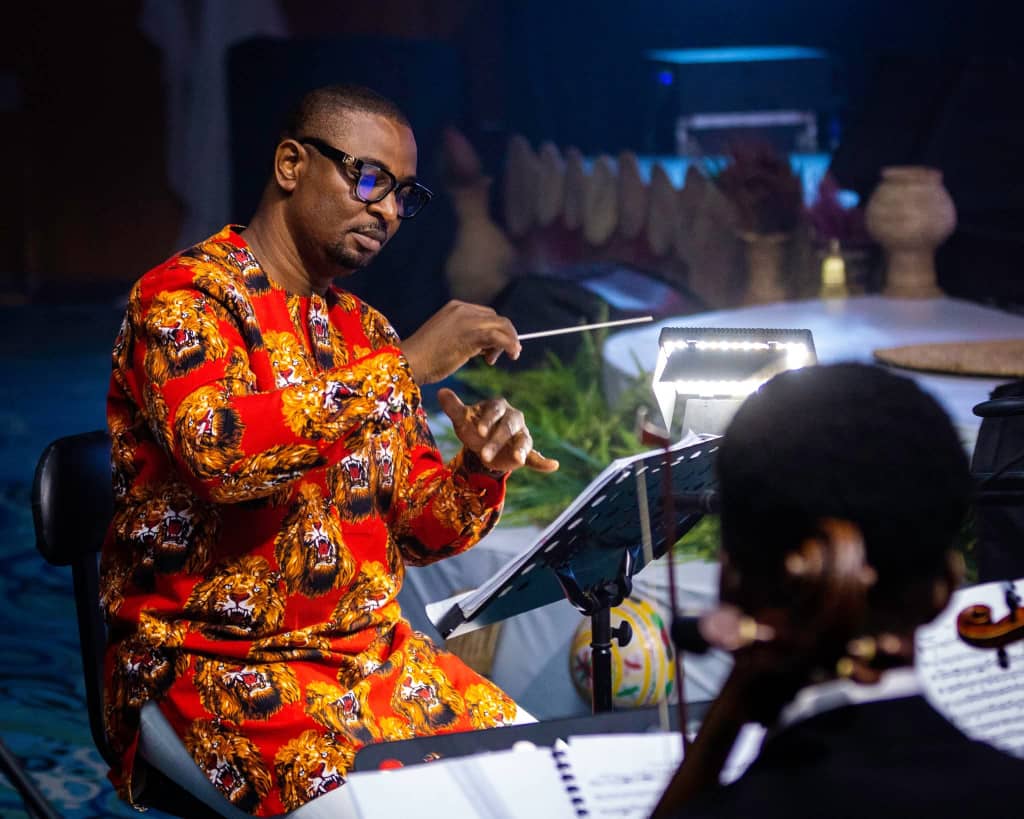 His experience demonstrates the possibilities of earning from classical music, but Belinda Feboks, popularly known as Regal-Bel, offers a less reassuring picture.

Despite participating in operas and musicals, sometimes in leading roles, she says many performers continue largely because of their love for the art.
“It’s the passion for the music and the love of the art,” she says, expressing hope that the profession will eventually become more financially rewarding.
For Matthew Samson Abah, known as Matt De Baritone, opera’s potential extends beyond performance. With experience in musical theatre and classical singing, he has played roles in productions including Les Misérables, The Sound of Music and Mozart’s The Magic Flute.
His experience reaching the finals of The Voice Nigeria in 2023 reinforced his belief that classical singers can appeal to mainstream audiences.
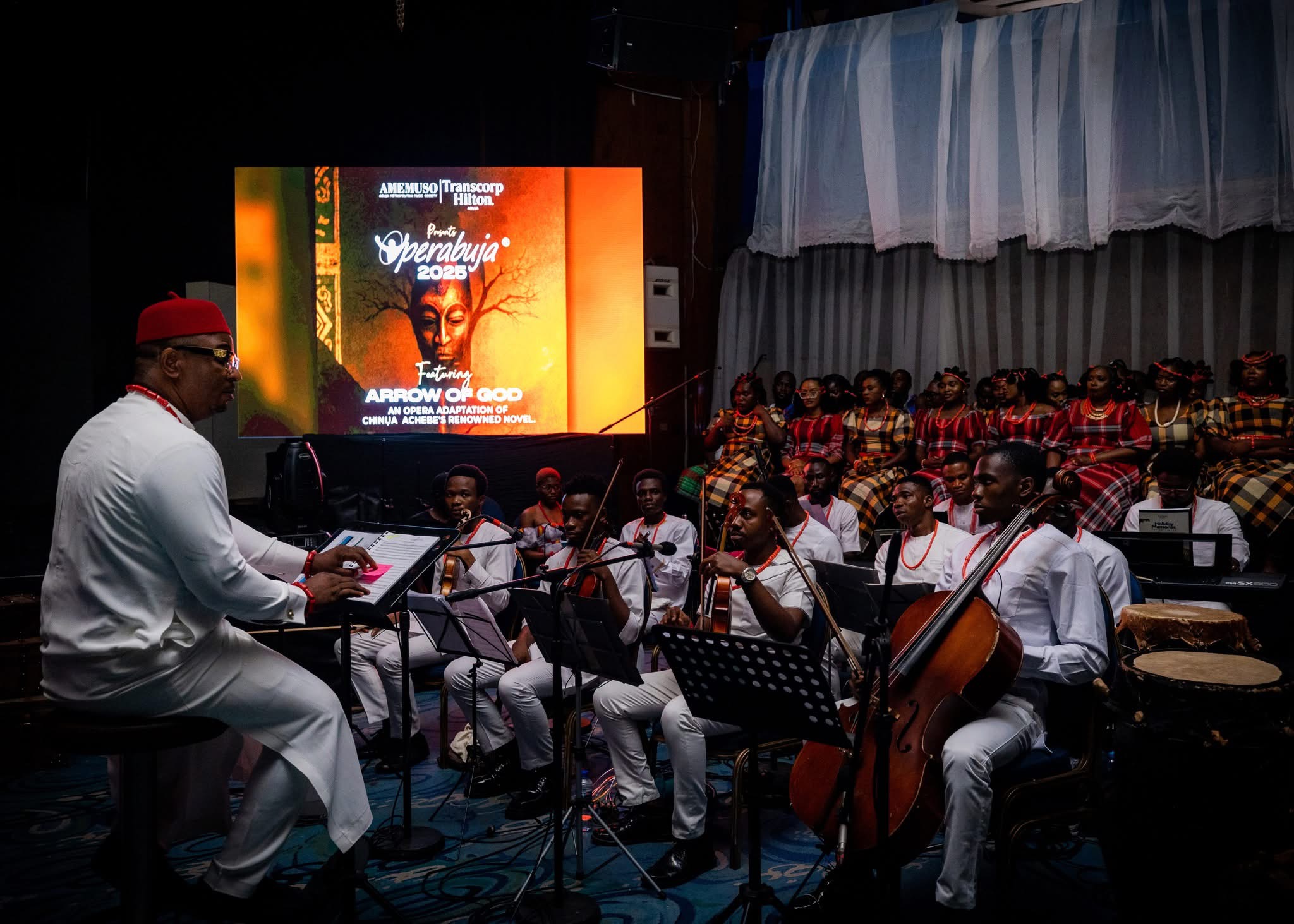 Abah argues that opera can support an entire creative ecosystem, creating opportunities for singers, instrumentalists, directors, costume designers and stage technicians. However, expensive productions, inconsistent sponsorship and limited audiences continue to undermine its commercial prospects.
Paschal Nworgu, another experienced performer, shares this assessment, advocating regular productions, professional training, sponsorship and structured educational opportunities to help singers build sustainable careers.
The infrastructure deficit
For Ezugwu, the absence of a dedicated performing theatre remains a major obstacle. AMEMUSO has pursued the ambition of establishing an opera theatre, but specialised staging, acoustics, lighting and technical requirements make existing venues difficult and expensive to adapt.
Funding presents another challenge. According to Ezugwu, ticket sales cannot cover the cost of AMEMUSO’s productions, making external sponsorship essential. The organisation initially offered free performances supported by sponsors before introducing paid admission as audience interest grew.
The transition has generated income but has not eliminated the funding gap.
Regal-Bel wants greater government support through suitable venues and deliberate sponsorship arrangements. Abah recommends transparent grants, scholarships, masterclasses and partnerships with universities and international cultural institutions.
For these performers, classical music must be recognised as part of Nigeria’s creative economy, with links to education, tourism and employment.
 Finding an African voice
Beyond infrastructure lies a cultural question: how can opera become more relevant to Nigerian audiences?
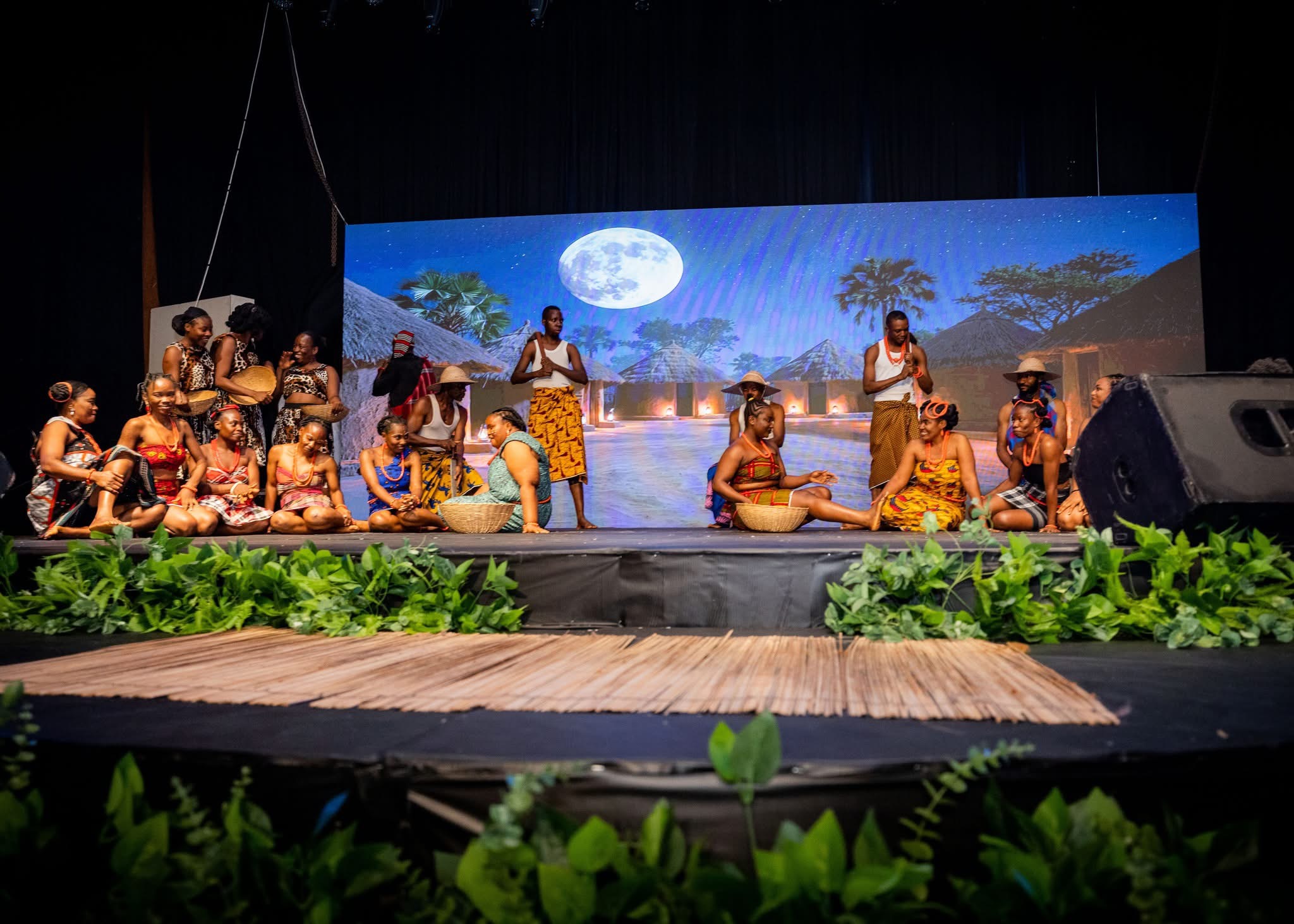
“Africa has its own stories. We have drama, literature and music. We can bring these together through opera to tell our stories,” Ezugwu says.
AMEMUSO has explored Nigerian-themed productions, including collaborations involving the National Assembly Library Trust Fund. Abah believes greater investment in original works inspired by Nigerian history, folklore and literature could create a distinctive identity for local opera while attracting new audiences.
School performances, community productions and digital platforms could also introduce younger Nigerians to the genre without diminishing its artistic standards.
The next opportunity comes on November 29, when Opera Abuja returns to the Congress Hall of Transcorp Hilton, Abuja, with an operatic adaptation of Death and the King’s Horseman, the celebrated play by Nobel laureate Professor Wole Soyinka.
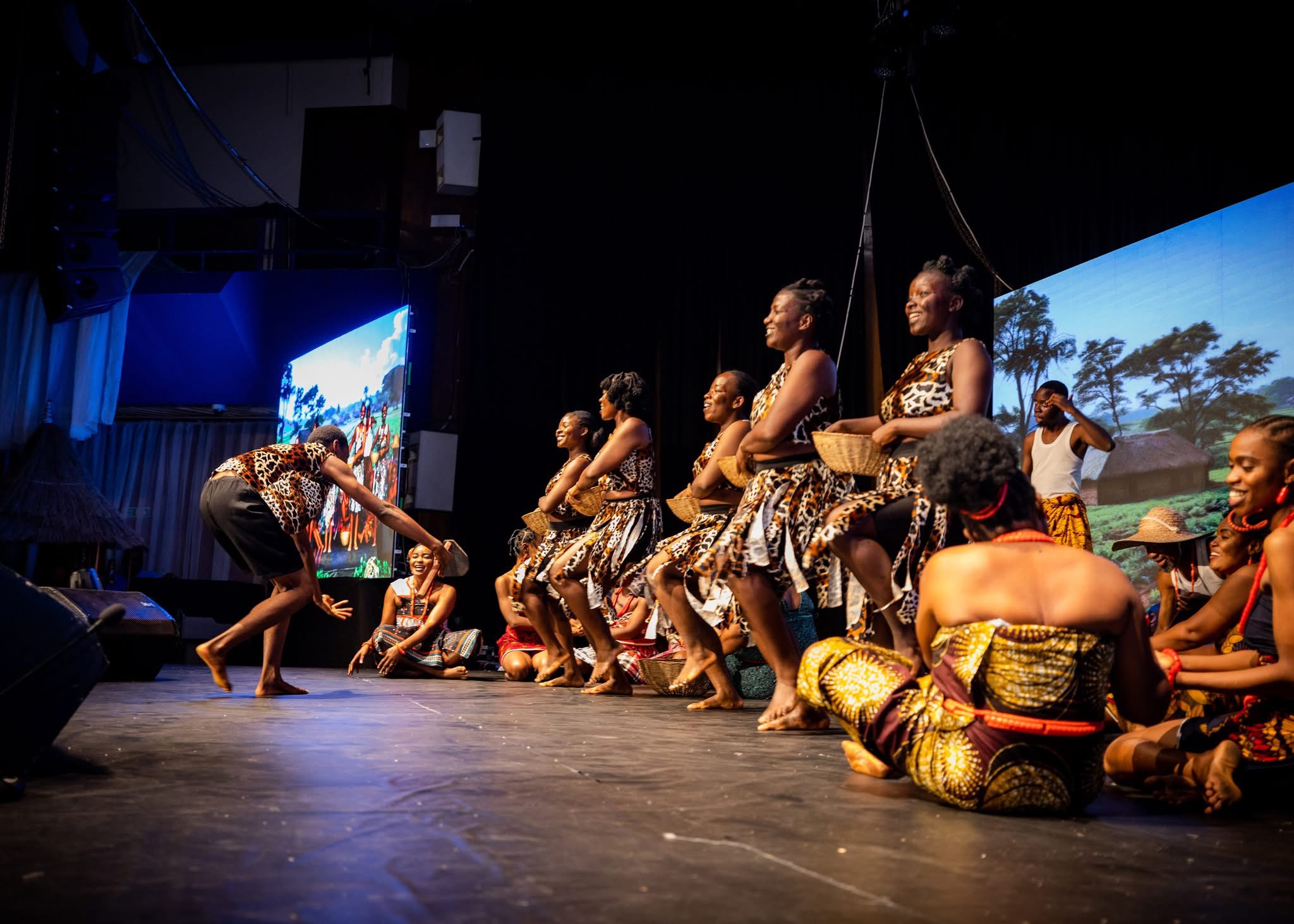 The production will bring together singers, musicians and theatre practitioners to reinterpret Soyinka’s work through opera, placing Nigerian literature at the centre of a traditionally European art form.
For Abuja’s opera community, the event represents more than another annual performance. It is an opportunity to demonstrate how classical music can engage local stories while building a wider audience.
Opera may never compete with popular music on equal commercial terms. Its future, however, depends on regular productions, accessible venues, reliable sponsorship and audiences willing to explore unfamiliar musical experiences.
For now, passion continues to sustain the art. Whether it can sustain the artists remains the larger question.