GDN SIDEBAR
Calabar, the capital city of Cross River State, Nigeria, was originally called Akwa Akpa by the native Efik community.
It grew from a foundational Efik settlement into a bustling international port by the 1500s, initially exporting palm oil before becoming a major hub in the transatlantic slave trade. Because of its advantageous coastal positioning, the British established Calabar as the inaugural capital for both the Niger Coast Protectorate and the Southern Nigeria Protectorate, a status it held until 1906.
Known today by the nicknames “Canaan City” and the “People’s Paradise,” Calabar is internationally recognised for the Calabar Carnival, a massive street festival that takes over the city every December. The region is also highly praised across West Africa for its unique local meals, particularly beloved dishes such as Edikang Ikong and Afang.
For visitors, exploring Calabar means experiencing the city through its food, language, landmarks and festivals.
Meals to try in Calabar
Calabar’s food culture is known for its generous use of vegetables, seafood, periwinkles and richly seasoned sauces. Many dishes are shared with neighbouring communities, although ingredients and preparation methods differ between households. Here are six dishes to look out for.

1. Edikang Ikong
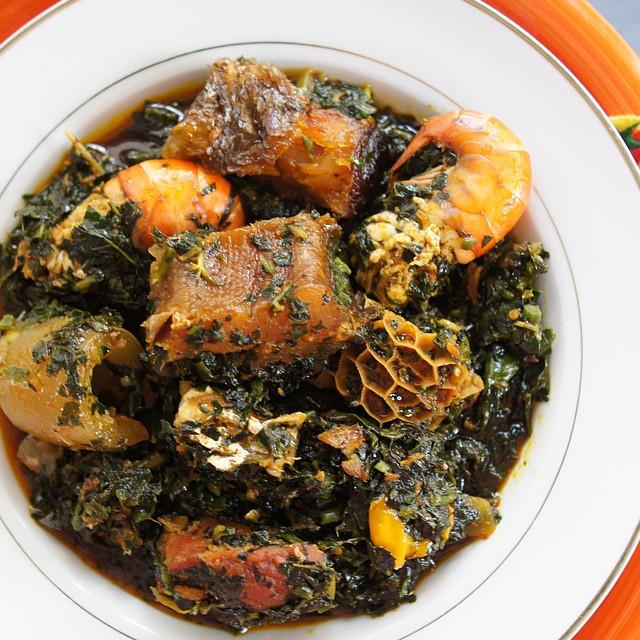
Edikang ikong is one of the best-known soups associated with the Efik and Ibibio people. Prepared with waterleaf and fluted pumpkin leaves, the soup is enriched with assorted meat, dried fish, stockfish, crayfish and periwinkles. Palm oil gives it colour and depth, while the combination of vegetables creates a substantial dish with a distinctive texture.
Preparing edikang ikong involves cooking the proteins until tender before adding the vegetables and other ingredients. The leaves are incorporated carefully to retain their texture without leaving excess water in the soup. The quantities of vegetables, meat, and seafood vary according to the cook.
The soup is commonly served with fufu, garri, or pounded yam. Visitors interested in local cooking can ask how a particular household prepares its version, as recipes differ across the region.
2. Ekpang Nkukwo
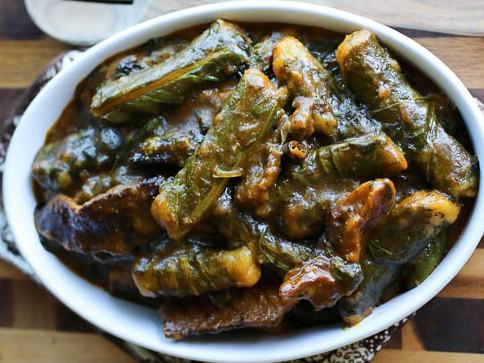
Ekpang nkukwo is a cocoyam-based dish that requires patience to prepare. Grated cocoyam is wrapped in cocoyam leaves and arranged in a pot before being cooked with palm oil, pepper, seasoning, meat, fish, and periwinkles.
The wrapped portions soften as they cook, absorbing the flavours of the sauce. The leaves help hold the grated cocoyam together, while the seafood and meat contribute to the dish’s savoury taste.
Ekpang nkukwo is associated with Efik and Ibibio food traditions and is enjoyed in homes and at gatherings. Its preparation can be time-consuming, making it a dish worth seeking out at a local restaurant specialising in traditional cuisine.
3. Afang Soup
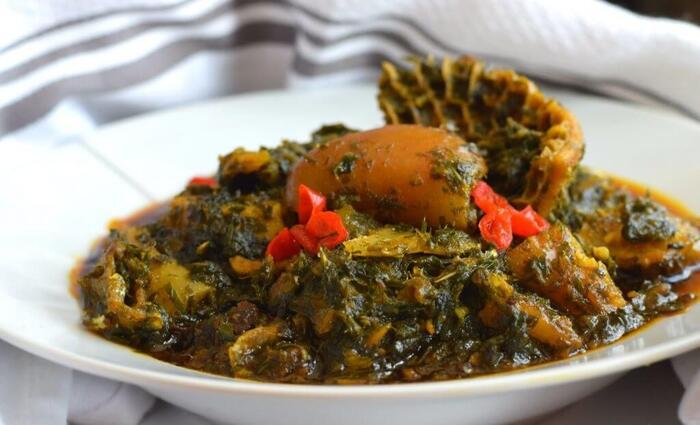
Afang soup combines afang leaves, also known as okazi, with waterleaf, palm oil, meat, fish and other seafood. The afang leaves are finely shredded or pounded before being added to the pot, giving the soup its characteristic texture.
The waterleaf contributes moisture, while the afang leaves provide a firmer texture and distinctive flavour. Crayfish and dried fish are commonly used to deepen the taste, although the precise ingredients depend on the cook.
Afang soup is eaten across Cross River and neighbouring Akwa Ibom State. It is usually served with a swallow, making it a filling meal for anyone exploring the region’s traditional food.
4. Afia Efere
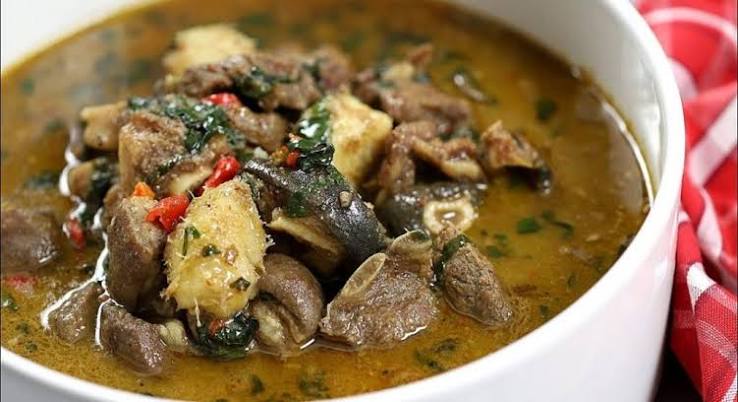
Afia Efere, or white soup, is a traditional soup associated with Efik and Ibibio cooking. Unlike many Nigerian soups, it is prepared without palm oil, giving it a lighter appearance.
The soup may contain goat meat, chicken, or fish, with seasonings such as pepper, crayfish, utazi leaves, and uyayak, an aromatic fruit used in regional cooking. Pounded yam may be added as a thickener, depending on the recipe.
Its appeal lies in the balance between the broth, spices, and proteins rather than the richness of palm oil. Afia efere is often served with pounded yam and is worth trying at a restaurant that prepares traditional Cross River dishes.
5. Atama Soup
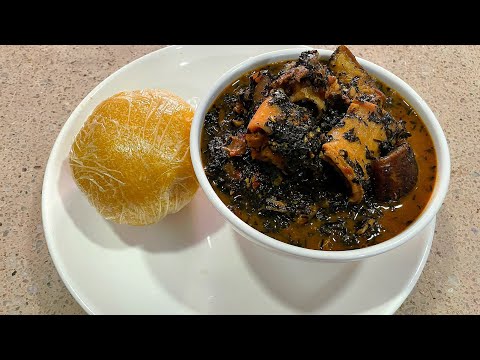
Atama soup is made with the leaves of the atama plant and palm fruit extract, alongside assorted meat, fish, and seafood. The leaves contribute a distinctive aroma and flavour, while the palm fruit base gives the soup its rich consistency.
The preparation begins with extracting the juice from cooked palm fruits. Meat and other proteins are seasoned and cooked before the palm fruit extract and atama leaves are incorporated. Additional ingredients vary between households.
Atama soup is associated with the food traditions of the Niger Delta and neighbouring southern communities, including parts of Cross River. It is commonly eaten with a swallow and offers another way to explore the region’s use of indigenous leaves and palm products.
Ten Efik phrases to know
A greeting can make a visit to a new place more welcoming. In Calabar, Efik is an important language of the area’s cultural heritage, although English and Nigerian Pidgin are also widely used.
Efik is spoken by the Efik people, whose history, language, and traditions are closely associated with Calabar and parts of Cross River State. For visitors exploring the city, learning a few local expressions can be a useful way to connect with its people and culture.
From exchanging greetings to expressing gratitude, these ten phrases offer a starting point for anyone interested in learning a little Efik before visiting Calabar.
1. Emesiere
Meaning: Good morning.
2. Mọkọm
Meaning: Hello; an afternoon or evening greeting.
3. Idem fo?
Meaning: How are you?
4. Mbọk
Meaning: Please; excuse me.
5. Sọsọñọ
Meaning: Thank you.
6. Sọsọñọ eti eti
Meaning: Thank you very much.
7. Ekere didie?
Meaning: What is your name?
8. Enyin mi edi …
Meaning: My name is …
9. Okuk ifañ?
Meaning: How much is this?
10. Ka di
Meaning: Goodbye.
Places to visit in Calabar
Calabar combines historic landmarks with natural attractions in and around the city. Its museums and heritage sites provide context for understanding the region’s past, while nearby forests and waterfalls offer opportunities to explore the Cross River’s natural environment.
1. Calabar Museum
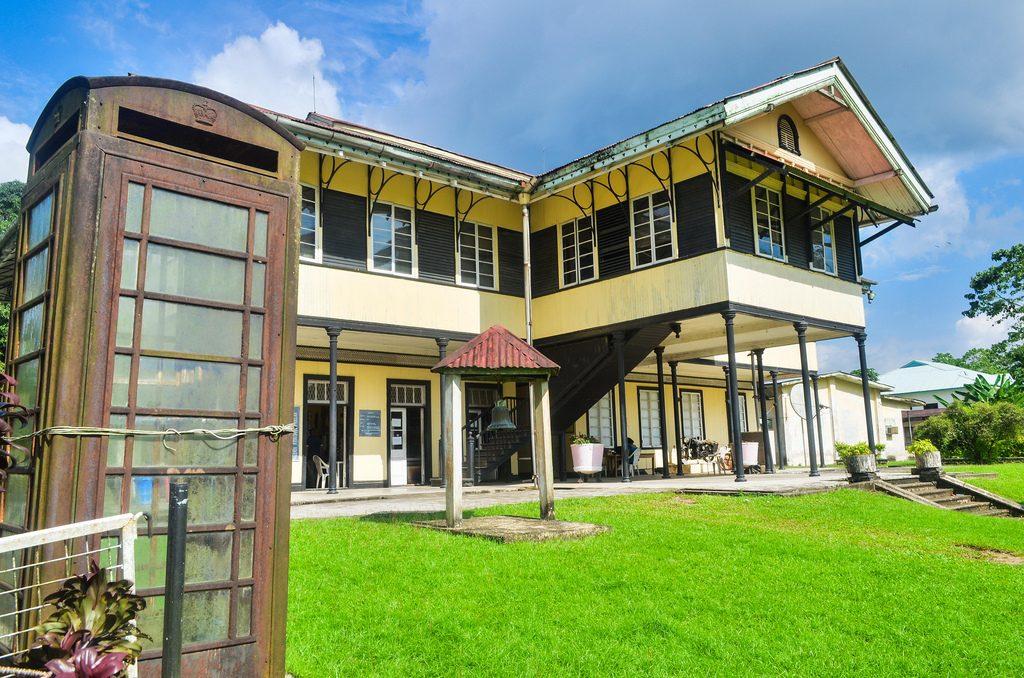
The museum provides a starting point for understanding Calabar’s historical importance as a trading centre and port. Visitors can learn about the people, institutions and commercial networks that shaped the city before and during British colonial rule.
2. Duke Town Church
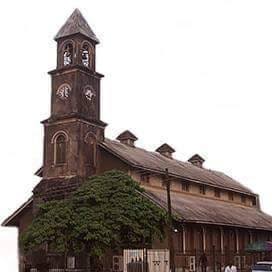
Duke Town Church is one of Calabar’s historic religious landmarks. Its history is connected to the spread of Christianity in the region during the nineteenth century and the work of missionaries, including Mary Slessor.
The church offers a glimpse into the relationship between missionary activity, education and social change in the area. Its place in the city’s history makes it a point of interest for visitors exploring Calabar’s religious and architectural heritage.
3. Marina Resort
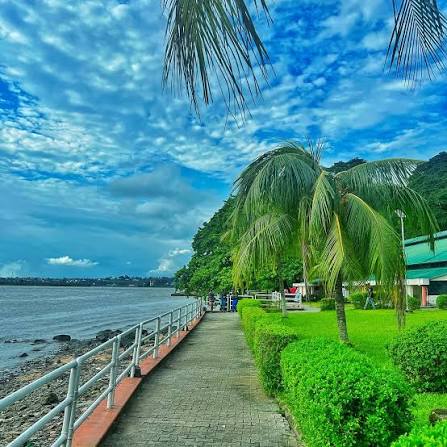
Situated along the Calabar waterfront, Marina Resort is associated with leisure and historical attractions, including the Slave History Museum.
The museum examines the transatlantic slave trade and the experiences of Africans caught within its networks. For visitors, it provides an opportunity to engage with a difficult chapter of regional and global history through historical displays and interpretation.
The waterfront setting also connects the attraction to Calabar’s relationship with the Cross River and the waterways that contributed to its development as a trading centre.
4. Mary Slessor House
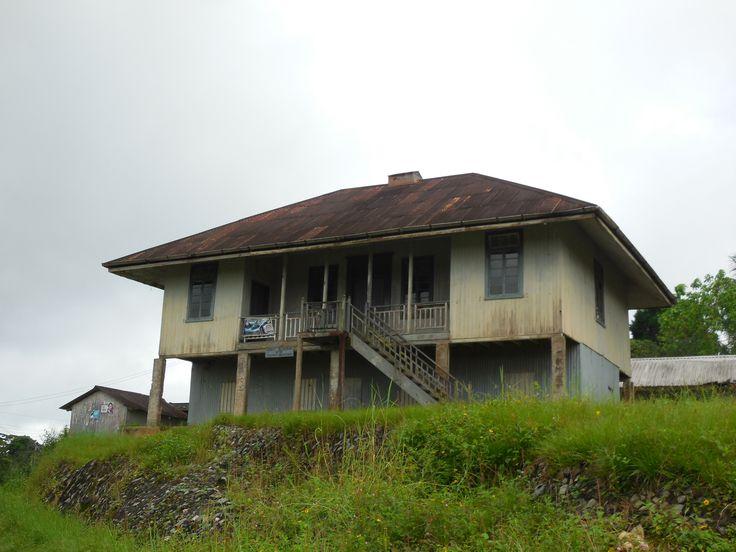
Mary Slessor House is associated with the Scottish missionary who lived and worked in the Calabar area during the nineteenth century. Slessor became known for her missionary work and her involvement in social issues affecting communities in the region.
The site forms part of Calabar’s missionary history and offers visitors an opportunity to learn about her life and the historical circumstances in which she worked. As with other heritage properties, visitors should confirm access arrangements before planning a visit.
5. Kwa Falls
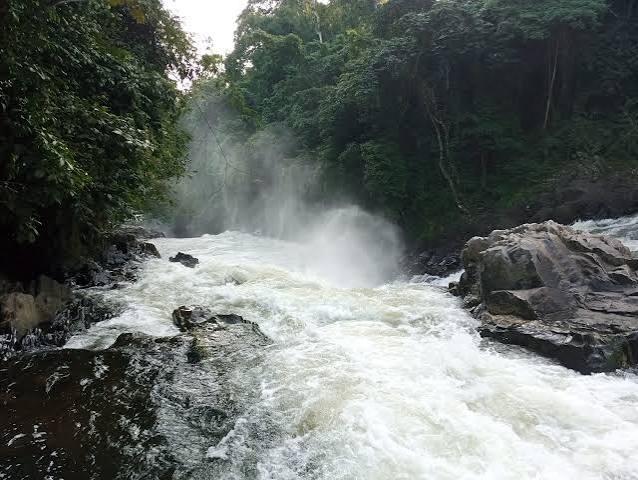
Located in Akamkpa Local Government Area, Kwa Falls is a natural attraction surrounded by lush vegetation. Water descends over a rocky formation into a pool below, creating a scenic setting for visitors interested in photography and outdoor exploration.
Reaching the falls involves descending steps through the surrounding forest. The journey requires suitable footwear and care, particularly after rainfall when surfaces may become slippery.
Visitors should check road conditions and local access arrangements before setting out, especially if travelling without a guide.
6. Cross River National Park
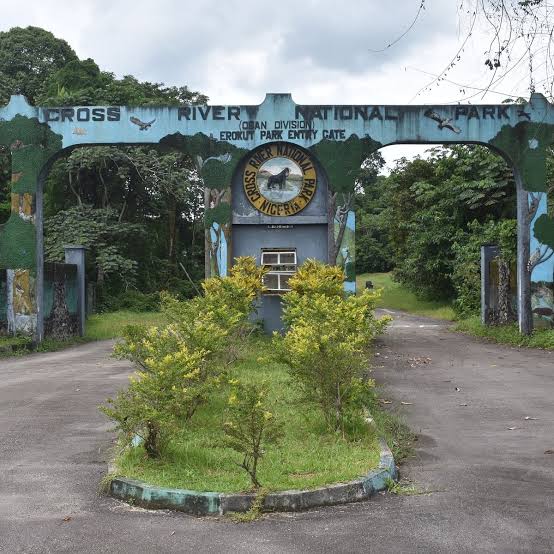
Cross River National Park protects areas of tropical rainforest that support a wide variety of plants and wildlife. The park is important for biodiversity conservation, including the protection of threatened primates and other forest species.
Its landscape offers a different experience from Calabar’s urban attractions, with opportunities for guided nature activities where access is permitted. Visitors should make arrangements with park authorities before travelling and follow guidance on safety, conservation and restricted areas.
7. Drill Ranch
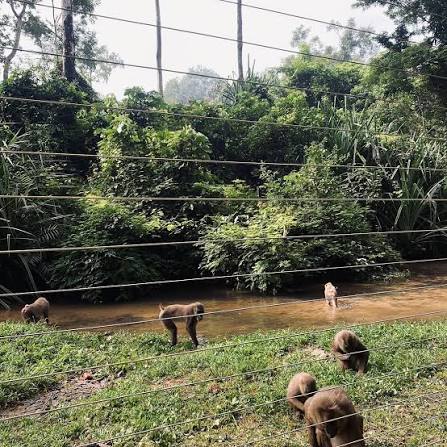
The Drill Ranch is associated with efforts to conserve drills, a threatened primate species native to the Cross River region and neighbouring Cameroon. The animals face pressure from habitat loss and hunting, making conservation work important to their survival.
A visit can introduce visitors to the challenges of protecting wildlife and maintaining suitable habitats. Travellers should confirm the facility’s current operations, visitor access and any booking requirements before making plans.
8. Tinapa
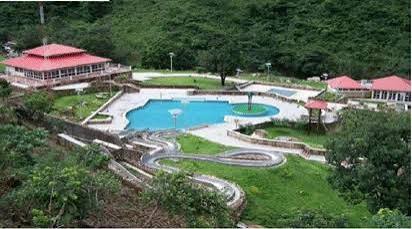
Tinapa was developed as a business and leisure destination outside central Calabar. Its original vision combined commercial facilities with hospitality and entertainment, reflecting ambitions to expand the city’s appeal to business travellers and tourists.
Although the development’s fortunes have changed over time, it remains part of Calabar’s modern tourism story. Visitors should check which facilities are currently operational rather than assume that all the original attractions and services remain available.
9. Calabar Botanical Garden
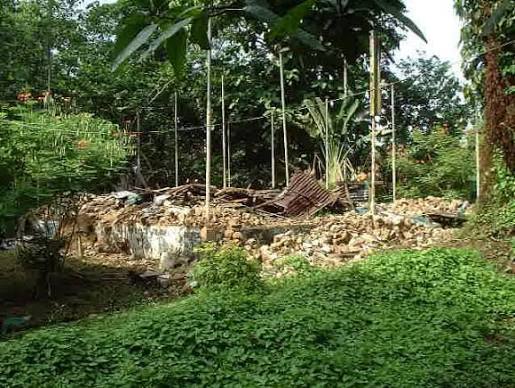
Calabar’s botanical heritage reflects the region’s tropical climate and rich plant life. Before including a botanical garden as a visitor attraction, travellers should confirm the current status, public access and facilities of the specific site they intend to visit.
For those interested in plants and the natural environment, guided visits to established gardens or conservation facilities can provide insight into the region’s vegetation and the importance of protecting indigenous species.
10. Old Residency
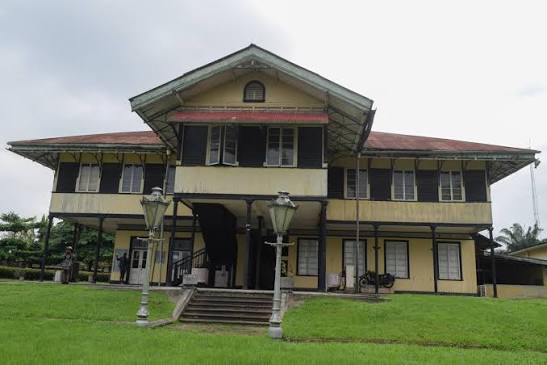
The Old Residency is a notable landmark in Calabar’s colonial history. The prefabricated building was brought to the city during the nineteenth century and became associated with British colonial administration.
Its architecture and historical context make it relevant to visitors interested in how colonial power operated in the region. A visit can be combined with other heritage stops in central Calabar, although opening arrangements and access should be confirmed before travelling.
Festivals to experience in Calabar
Festivals in Cross River State bring together music, dance, costumes and community traditions. Calabar’s best-known celebration is the annual carnival, but the state’s cultural calendar also includes events rooted in the histories of individual communities.
1. Calabar Carnival
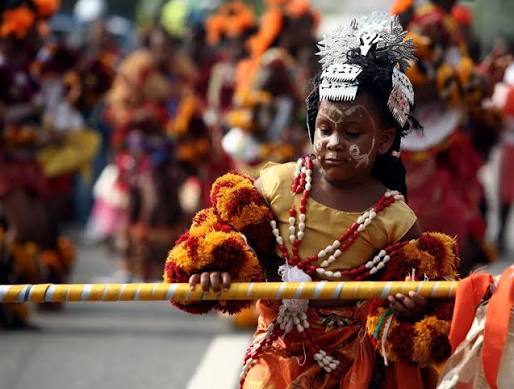
Held annually in December, the Calabar Carnival is one of Nigeria’s best-known cultural celebrations. The event features elaborate costumes, dance performances, music and street processions involving participating bands.
The carnival has become an important part of the state’s tourism calendar, attracting visitors from different parts of Nigeria and beyond. Its performances combine contemporary entertainment with cultural influences, giving the city a lively atmosphere during the festive season.
Visitors planning a trip around the carnival should confirm the official programme, dates and routes before travelling, as arrangements may change from year to year.
2. Ekpe Festival
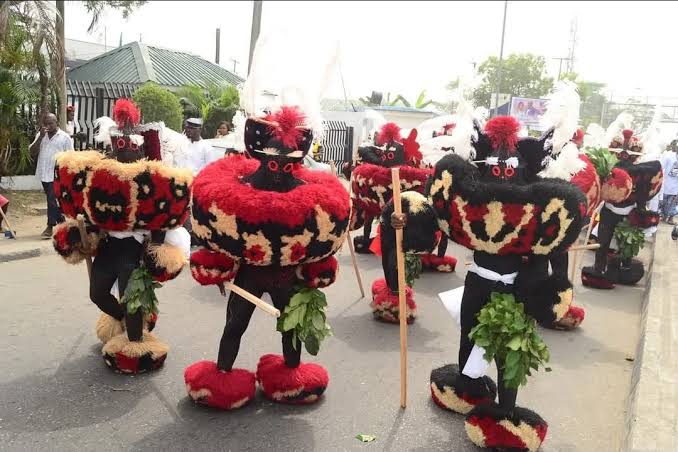
Ekpe is an important institution in Efik cultural life, with associations that extend across community organisation, traditional authority and ceremonial performance. Public displays connected to Ekpe may include distinctive dress, music and masquerade traditions.
The institution carries cultural significance beyond entertainment, and not all its activities are open to the public. Visitors should seek guidance from local hosts and respect restrictions around ceremonies, photography and sacred spaces.
3. New Yam Celebrations
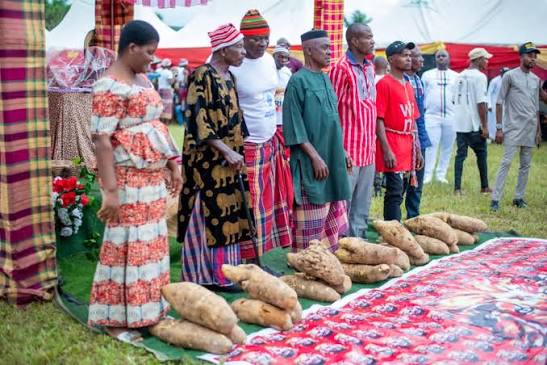
New yam celebrations take place in several communities across Cross River State and neighbouring parts of southeastern Nigeria. These events mark the arrival of a new harvest and recognise the importance of yam in local agriculture and food traditions.
The celebrations differ between communities and may include prayers, traditional rites, dancing and communal meals. Visitors interested in attending should ask residents about the dates and customs of the particular community they plan to visit.