 Follow Us on Google News
 Follow Us on Google Discover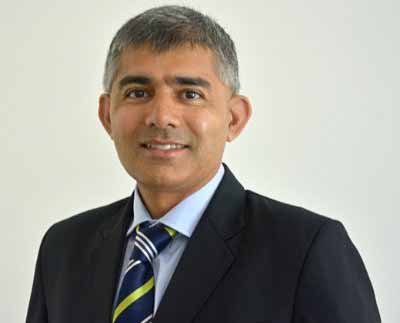
EY, a global firm involved in assurance, tax, transaction and advisory services has disclosed that Nigeria has been recording a strong growth in the Foreign Direct Investment capital in sub-Saharan Africa since 2007.
According to the 2015 EY African Attractiveness Survey launched in Lagos recently, it disclosed that Greenfield FDI projects into the country had grown at a compound rate of 14 per cent since 2007, while the capital values of that investment had grown at a rate of over 18 per cent.
Speaking on the findings of the report, Chief Executive Officer, EY Africa, Ajen Sita, said: “What is equally positive is the increasingly diversified nature of the investment. A most 50 per cent of the FDI capital invested into Nigeria since 2007 has been outside the resource sectors (primarily oil), in manufacturing, real estate and construction, renewable energy, and service-orientated sectors.
“There had been particularly strong growth in investment into technology and telecommunications, with the sector attracting 21.3 per cent of the FDI capital since 2007.”
According to the report, projects number in sub-Saharan Africa reached their lowest point last year since 2000, and some economies including South Africa, Angola, Nigeria, Ghana and Kenya received fewer FDI projects. But Ethiopia and Mozambique attracted growing inflows of projects.
The FDI capital grew from $6bn in 2013 to $7.6bn last year, while the FDI projects in Nigeria declined from 59 to 49.
“Despite the challenges, the Nigerian economy remained resilient, saying like most emerging markets, Nigeria would continue to face its fair share of challenges.
“As a result, we anticipate that Nigeria will continue to be a key hub for investment into Africa and is likely to emerge as one of the most attractive developing market investment destinations in the world in coming years, he said.
According to the report, corruption, threats to physical security and poor infrastructure are among those often cited as constraints to investment and doing business in the country.
Managing Director, EY Nigeria and West Africa Regional Leader, Henry Egbiki, stressed the importance of entrepreneurship, saying the growth of any economy is by entrepreneurs.
The report said a key driver of growing levels of investment had been Nigeria’s robust and sustained economic growth.
It said: “The rebasing of Nigeria’s GDP last year makes it the largest economy in Africa, and one of the 30 largest economies in the world. Nigeria economic performance is still somewhat dependent on oil, and remains susceptible to changes in the oil price.
“As a result, economic growth is likely to be lower this year than it has in recent times; 4.5 per cent according to recent IMF forecasts compared to an verge of closer to seven per cent over the past five years.
“Nevertheless, even with the impact of lower oil prices, Nigeria’s growth will remain able both the sub-Saharan African (4.4 per cent) and emerging market (4.2 per cent) averages this year.”

