 Follow Us on Google News


 Follow Us on Google Discover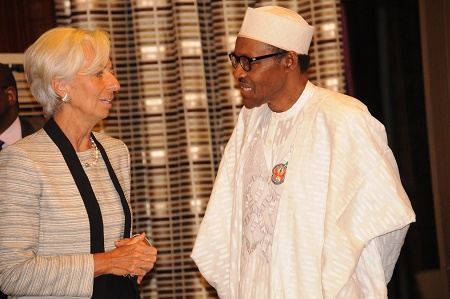

The reactions, which have been more about increased optimism and expression of confidence in the nation’s economy by the international community, also include outright disappointment for others.
The Lead Director of Center for Social Justice (CSJ), Eze Onyekpere, said although the visit was welcome because Nigeria is a major force in the comity of nations, the IMF chief however failed to spell out any specific blue print for salvaging Nigeria’s economic woes, regarding the value of the naira, among others.
According to him, because she was non-categorical in her comments on a number of key issues affecting the country, there was nothing new in her comments.
“It is a welcome development that Christine Lagarde of the IMF called for fiscal discipline and more prudent use of available resources against the background of dwindling oil revenue and requested the officials to consider some flexibility in monetary policy.
“Further, she commended the administration’s effort in fighting corruption and finally clarified that Nigeria has not applied and is not being considered for IMF loan package, which comes with various conditionalities. The above are not new pieces of advice for the Nigerian authorities”, he said.

But the Chief Executive Officer of Financial Derivative Limited, Bismarck Rewane, said the visit showed that IMF is willing to help, especially in terms of institutional technical capacity building, skills development, enhancement of the country’s reputation for other lenders that would be interested.
“Nigeria needs money at this time more than anybody else. The IMF may not likely put its money at this time, but the World Bank and African Development Bank surely will. We are going to tap the whole bond market and its quite clear that we would need N900 billion from the international market. So, we need the endorsements of Washington, Paris and London clubs,” he said.
The Director-General of the Lagos Chamber of Commerce and Industry, Muda Yusuf, said though the visit is a welcome development, the problem associated with IMF is more of perception, especially among the civil society.
“When countries have economic challenges, the citizens are always very weary of IMF’s prescriptions, because some of the prescriptions seem to be very harsh to the citizens. So once the news is that IMF is getting involved in their policy making processes, the fear factor will be triggered. I think IMF still need to work to clear itself of the perception,” he said.
The Chief Executive Officer of GTI Capital, Abubakar Lawal, also agreed that the visit will foster confidence and understanding on what the current administration is really doing to change the economic fortunes of the country.
“In the financial space, there has been a lot talks and suggestions towards devaluation and we all know the stand of the government. So, this would afford the IMF the opportunity to understand vey clearly where Nigeria is coming from and they would be able to balance the argument.
“The visit, to me, is a sign of confidence and surely by the end of it all a lot of understanding would have been reached given the level of engagements so far,” he said.
The President of Nigeria Statistical Association, Dr Tumala Musa Mohammed has described the visit as being in order, especially in view of the fact that the country was experiencing balance of trade challenges, a situation he said the IMF may be able to proffer useful tips to the country.

