 Follow Us on Google News
 Follow Us on Google Discover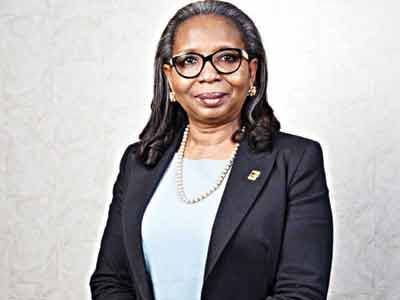
TO survive the harsh effects of foreign exchange restrictions, Nigerian manufacturers must readjust their business models and look inwards for alternatives to import inputs to production, Chairman of Board of Directors of First Bank of Nigeria, Ibukun Awosika, has said.
Awosika, who said this at the Elevation Church’s Vantage Forum, tagged Thriving on Change: Blueprints for Business Success in 2006 and Beyond, noted that this is the best time for Nigerians to revive her moribund industrial sector.
According to her, “foreign exchange is high and anything imported has become a difficult product to sell. There is a real opportunity as a nation to develop our service sector to meet the needs being created.”
Urging businessmen to take opportunities in these trying times, she said, “there was never a war that consumed everybody. Those who survive are those who plan ahead and who are not guided by emotions.”
She cautioned against giving credits and advised businesses to give discounts in order not to run losses, stressing, “this is not the time to give credits; there is a lot of people who are going to run into hard times. Financial institutions are still sitting on money, because a lot of debts are going to go bad. People don’t have enough buying power anymore; businesses need to think about new pricing system and probably consider selling on discounts.”
She said: “People are looking for alternatives to for their choices. Businesses need to plan and provide these alternatives. There are already a lot of readjustments and multinationals are taking decisions that create alternatives. Companies are becoming leaner and meaner to deliver more to their shareholders.”
On his part, the Chief Executive Officer of Economic Associates, Dr Ayo Teriba, said though there appear to be a lot of uncertainty, the situation is positive and the outlook, bright, but government would have to make some tough choices.
He suggested that government should open up infrastructure, such as rails, gas and refineries for private investment, suggesting that refineries should be restricted to run with the Nigeria Liquefied Natural Gas (NLNG) model.

