 Follow Us on Google News
 Follow Us on Google Discover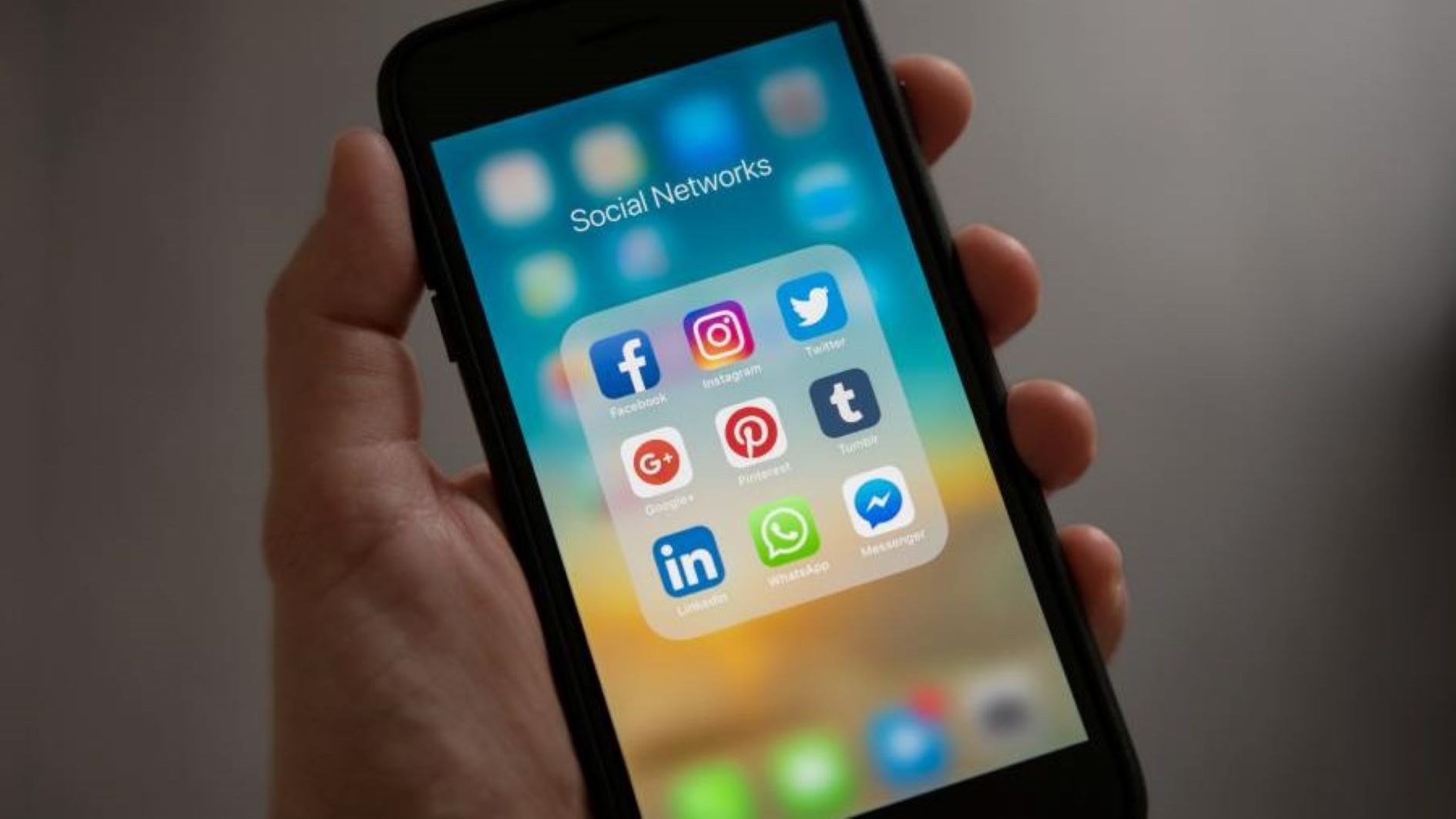
A new survey has shown that heavy social media use appears to be contributing to the drop in well-being among young people, especially among girls.
The report said that adolescents under 25 years who use social media for less than one hour per day report the highest levels of wellbeing, higher than those who do not use social media at all.
The survey, ‘World Happiness Report (WHR) 2026: Complex Global Picture of Social Media and Happiness’, is published by the Wellbeing Research Centre at the University of Oxford, in partnership with Gallup, the United Nations (UN) Sustainable Development Solutions Network, and an independent editorial board.
The report said the evidence describes a complex global picture at a time when many countries are seeking to
Implement greater legislative protections for under-16s online.
The survey said that any effect is highly dependent on the type of social media platform being used, how it is used, as well as demographic factors such as gender and socio-economic status.

It said other factors, such as social connections and a sense of belonging, are associated with much bigger changes in how respondents feel about their lives.
Further key findings in the report showed that the largest drops in wellbeing among young people are observed in English-speaking countries, in particular in the United States, Canada, Australia, and New Zealand.
It explained that an association between social media and reduced well-being is found in multiple sources, including surveys, cross-sectional and longitudinal studies, as well as natural experiments.
However, it said there is considerable variation in the interpretation of evidence by professionals science organisations, including differences in citation accuracy, contextual detail, acknowledgement of limitations and conclusion strength.
The survey stressed that platforms driven by algorithmically curated content tend to demonstrate a negative association with well-being, yet those designed to facilitate social connections show a clear positive association with happiness.
It stated that social media creates a standard collective action problem, noting that if social media channels exist, people lose out by not joining, but most people agree they would be better off if they did not exist.
Meanwhile, the World Happiness Report also contains a ranking of the world’s happiest countries with Finland leading the world in happiness for a record ninth year in a row.
It said nations in or near zones of major conflict remain at the foot of the rankings.
Experts then seek to account for the variations across countries and over time using factors such as GDP per capita, healthy life expectancy, having someone to count on, a sense of freedom, generosity and perceptions of corruption.
Emeritus Professor of Economics at the University of British Columbia and a founding editor of the World Happiness Report, John Helliwell, said:
“When it comes to happiness, building what is good in life is more important than finding and fixing what is bad. Both need doing, now more than ever.”
Chief Executive Officer of Gallup, Jon Clifton, said:“Every year, Gallup asks people across more than 140 countries to evaluate their lives. Most of the world’s young people are happier today than they were 20 years ago, and that’s a trend that deserves attention.”
Director of Oxford’s Wellbeing Research Centre, Professor of Economics at the University of Oxford, and an editor of the World Happiness Report, Jan-Emmanuel De Neve, said:
“The global evidence makes clear that the links between social media use and our
Well-being heavily depends on what platforms we are using, who is using them and how, as well as for how long. Heavy usage is associated with much lower well-being, but those deliberately off social media also appear to be missing out on some positive effects.
“Beyond the complexity, we should look as much as possible to put the ‘social’ back into social media,” he said.

