 Follow Us on Google News


 Follow Us on Google Discover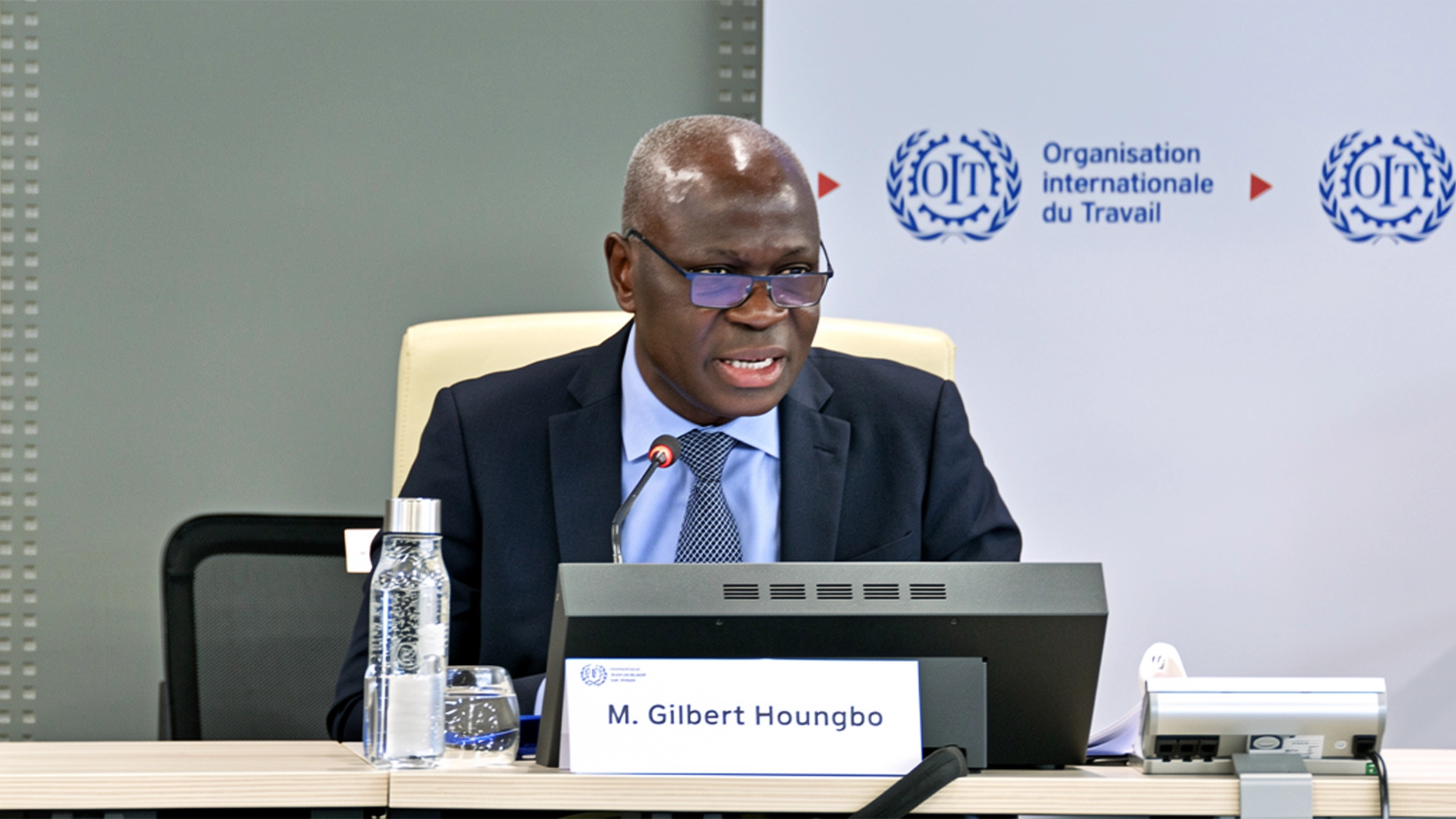
The International Labour Organisation (ILO) has called for coordinated, human-centred and rights-based policies to address profound transformations reshaping labour markets globally.
Speaking at the third edition of the Global Labour Market Conference in Riyadh, Saudi Arabia, ILO Director-General Gilbert Houngbo highlighted how rapid technological change, demographic shifts, migration, climate shocks, and economic fragmentation and uncertainty are redefining the world of work.
He stressed that the shifts are affecting job creation, job quality, and inequality across regions and require policy responses grounded in social justice, international labour standards, global cooperation, and evidence-based labour market governance.
He said technology could be a powerful driver of productivity and growth, but only if accompanied by investment in skills, strong labour institutions, and effective social dialogue to ensure that workers and enterprises alike could adapt to change.
He called for renewed investment in lifelong learning, active labour market policies, and social protection systems, particularly for young people and women, who are often most exposed to labour market disruption, while devoting attention to how the transitions impact migrant and displaced workers.
During a moderated “fireside chat” discussion, Houngbo reiterated that technology could be a powerful driver of productivity and growth, but only if accompanied by investment in skills, strong labour institutions, and effective social dialogue to ensure that workers and enterprises alike can adapt to change.
He focused on the impact of multiple crises on the labour market and the need to explore strategies for rapid adaptation, including technological adoption, resilient and inclusive workplaces, and strengthening social protection systems to support workers during crises.
He said that the platform for labour market dialogue came, especially at a time of heightened uncertainty, adding that collective action and tripartite cooperation remained essential to building resilient, inclusive, and sustainable labour markets.
The conference brought together ministers, social partners, business leaders, and international organisations from across the world.
The challenge before us is not only how many jobs are created, but what kind of jobs, for whom, and under what conditions,” Houngbo said. “The real test today is how quickly and effectively we translate reform into jobs, opportunities, and dignity for people, and ensure that jobs come faster than disruption,” he added.
“The challenge before us is not only how many jobs are created, but what kind of jobs, for whom, and under what conditions. The real test today is how quickly and effectively we translate reform into jobs, opportunities, and dignity for people, and ensure that jobs come faster than disruption,” he said.

