 Follow Us on Google News


 Follow Us on Google Discover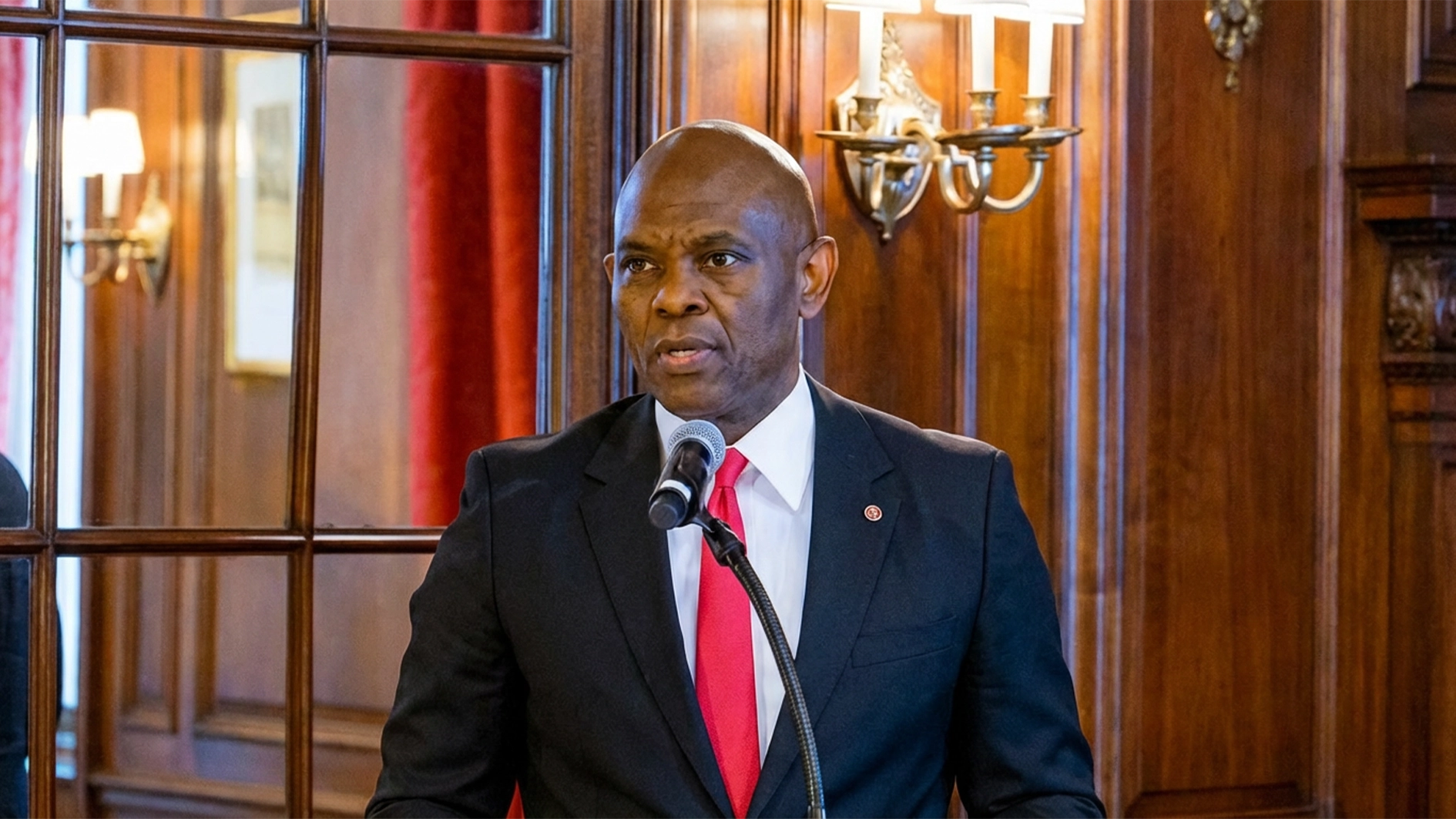
The Tony Elumelu Foundation (TEF) Entrepreneurship Programme has disbursed over $100 million in seed capital to more than 24,000 entrepreneurs across Africa since 2010.
The Chairman of the Foundation, Tony Elemelu, who disclosed this in Abuja over the weekend, revealed that about 80 per cent of the entrepreneurs supported by the foundation successfully scaled beyond their early stages, which is a dramatic shift from the years when, typically, only 10 to 20 per cent of businesses survived long enough to grow.
The United Bank for Africa (UBA) chief also hinted that a total of 3,200 young entrepreneurs from all 54 African countries will receive funding, mentorship, and access to the TEF digital platform, TEFConnect.
He said: “One of the most inspiring stories emerging from this year’s cohort is the rise of women entrepreneurs.”
51 per cent of the entrepreneurs selected in the 2026 cohort are women.
On the high number of women that are benefiting this year, Elumelu explained that it was not a deliberate plan, adding: “This selection was purely by merit and not by quota. Across thousands of applications, women stood out, through the strength of their ideas, the clarity of their business models and the ambition of their vision.”

Speaking on the significance of the Foundation’s work, Elumelu stated that entrepreneurship remains central to Africa’s development trajectory, maintaining that the continent’s future depends on the success of its young business leaders.
However, he warned that failure to create jobs for Africa’s growing youth population would amount to a betrayal.
He emphasised that enterprise development remains one of the most effective tools for driving inclusive growth and reducing poverty.
The funding pattern attests to the fact that Africa’s entrepreneurial ecosystem is becoming more youth-driven, gender-balanced, and socially inclusive, a shift that could redefine the continent’s economic trajectory if sustained.
As the world celebrates women’s month, Elumelu submitted that when opportunity is accessible, African women do not simply participate; they lead.
“Our vision lives on through them. Wherever I travel, I meet our entrepreneurs – individuals who share stories of growth, expansion, and dreams realised. Each encounter reaffirms that our work is an investment in Africa’s most renewable resource: its people,” he stated.
Breakdown of the beneficiaries showed a change in age bracket as young persons between 18 and 35 also dominate the entrepreneurship funding, which underlines the growing role of youth-led innovation in driving job creation and economic transformation on the continent.
Since its inception, the Foundation has created over 150,000 and nearly $200 million in revenue generated by people living with disabilities.
Beneficiaries are currently making revenue, up from only 40 per cent of business owners at the time of applying to the TEF Entrepreneurship Programme.
Additionally, about four million African households have been positively impacted, and a total of $320 million has been generated by the beneficiaries.
Beyond gender and age, the list of beneficiaries reflects a deliberate push for inclusion as a total of 13 entrepreneurs living with disabilities were selected into the cohort, highlighting efforts to broaden participation, even as stakeholders acknowledge that more needs to be done to deepen accessibility.
In terms of geographic spread, while urban centres dominate with 70 per cent of participants, a notable 30 per cent are drawn from rural areas, suggesting that entrepreneurial support systems are gradually extending into underserved regions.
Also, sectoral analysis reveals a clear concentration in agriculture and agribusiness, which account for nearly 31 per cent of all participants, which outpaces other industries.
TEF insisted that the dominance of agriculture underscores its continued importance as a driver of employment, food security and value chain development across Africa.
Other key sectors that got funding include fashion and textiles, food and beverage, and technology-driven fields such as ICT, software and artificial intelligence, which reflects a blend of traditional and emerging industries shaping the continent’s economic future.
Beneficiaries are drawn from the green economy, clean energy, healthcare and education, which point to growing engagement in impact-driven sectors aligned with sustainability and social development goals.
The Chief Executive Officer, Tony Elumelu Foundation (TEF), Somachi Chris-Asoluka, noted that with targeted support, a new generation of entrepreneurs could unlock significant opportunities for job creation, innovation and shared prosperity across Africa.

