Nigerian creatives, entrepreneurs, and innovators have been encouraged to unite in promoting the country’s rich creative heritage and revitalising the textile sector.
This appeal was made at the launch of the 2025 Festival of Made in Nigeria Textile (FESTMiNT25) in Abuja. The president of Made In Nigeria Textile (MINT), Dr. Uche Ibeh, represented by Ambassador Dockson Omoregie, Director of the Institute for Cultural Diplomacy.
Dr Ibeh elaborated on the significance of FESTMiNT25 as a celebration of Nigeria’s vibrant creative heritage, which reflects the country’s resilience and innovative spirit. The festival not only showcases the rich textile culture but also aims to inspire a renewed appreciation for locally made products.
She expressed, “I firmly believe that our culture is a valuable asset, creativity is the new oil, and innovation shapes our future. This festival is more than just a celebration; it’s an initiative for action. It’s about creating opportunities, building partnerships, and driving economic growth through our creative industries. It’s about showcasing Nigeria’s creative talents to the world and positioning our nation as a hub for innovation and excellence. I extend my gratitude to our sponsors, partners, and supporters for their unwavering dedication to this mission. I invite all Nigerians to join us in promoting our creative heritage and restoring our textile industry to its former glory.”
The experts identified the vast potential of the textile industry to significantly uplift the nation’s economy. With the right support and initiatives, they believe the sector can become a major driver of economic growth and job creation.
They emphasised the importance of collaboration among stakeholders, calling for the establishment of partnerships that could unlock numerous opportunities within the industry. By tapping into the strengths of Nigeria’s creative sectors, a united approach can foster sustainable economic development.
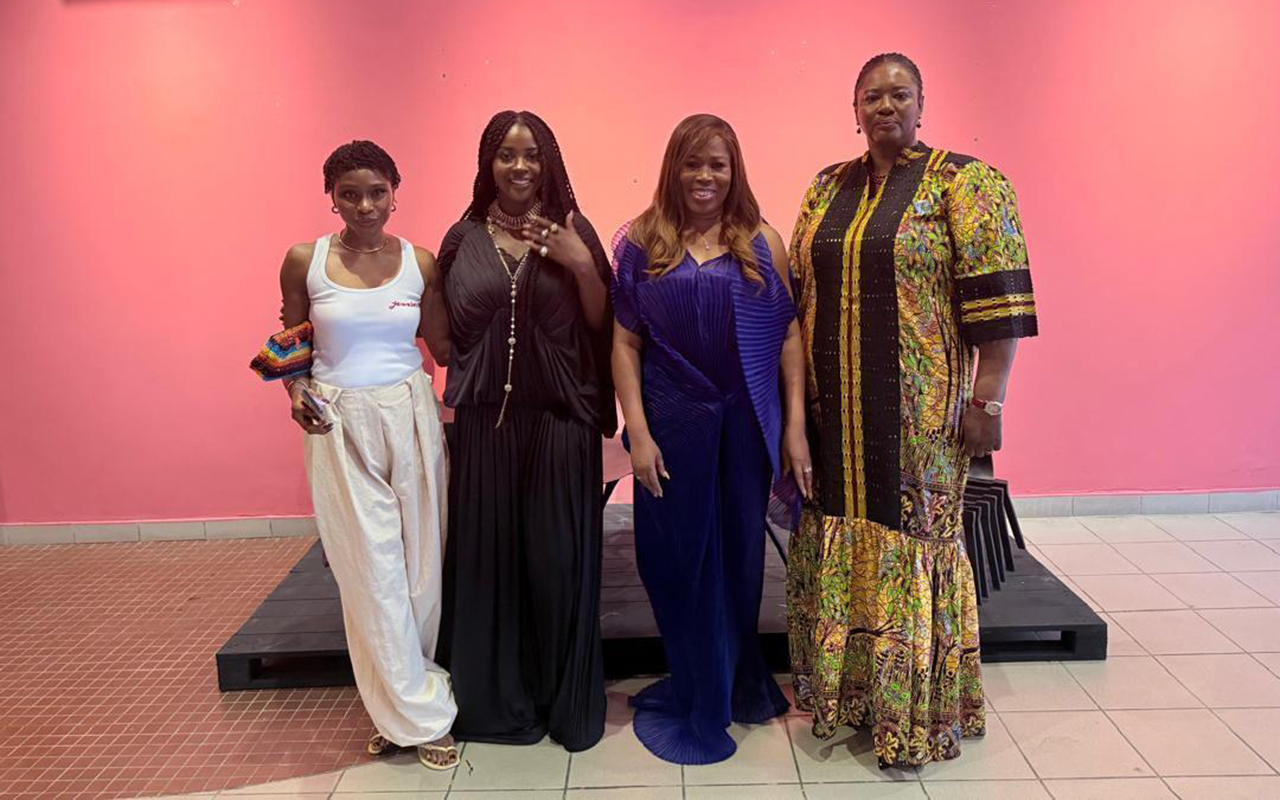
The mother of the day and wife of the Inspector General of Police, Dr Elizabeth Egbetokun, also encouraged Nigerians to actively support made-in-Nigeria textiles and accessories. She underscored the necessity of revitalising the textile industries for national economic development.
She pointed out that choosing made-in-Nigeria textiles would contribute significantly to President Bola Tinubu’s administration’s agenda for job creation and poverty alleviation.
“Our cultural heritage deserves protection, and promoting it is a collective responsibility. I am committed to championing Nigerian art, culture, language, and heritage,” she stated.
The Ambassador of Ireland to Nigeria, Ambassador Peter Ryan, remarked on the shared values between Ireland and Nigeria in preserving culture and heritage.
He noted that Ireland has valuable experience in developing local products, textiles, and fashion items, which Nigeria could learn from.
Peter expressed Ireland’s openness to collaboration and partnerships, suggesting that his connections, including his wife Tracy, could help engage other diplomatic spouses interested in supporting Nigeria.
Also, the Director General of the Nigeria Textile Manufacturers Association, Dr Hamma Kwajarfa, voiced concerns over the public’s preference for foreign textiles and called for a shift in mindset towards supporting local production.
He offered the Association’s readiness to collaborate with the Ministry of Art, Culture, and Creative Economy to restore the Nigerian textile industry’s former glory.
“We are capable of producing fabric from indigenous cotton, yet many Nigerians opt for foreign fabrics made from harmful polyester. It’s crucial that we embrace our local products, and we seek government support to revive the textile industry to its status as a significant employer of labour,” he concluded.