 Follow Us on Google News


 Follow Us on Google Discover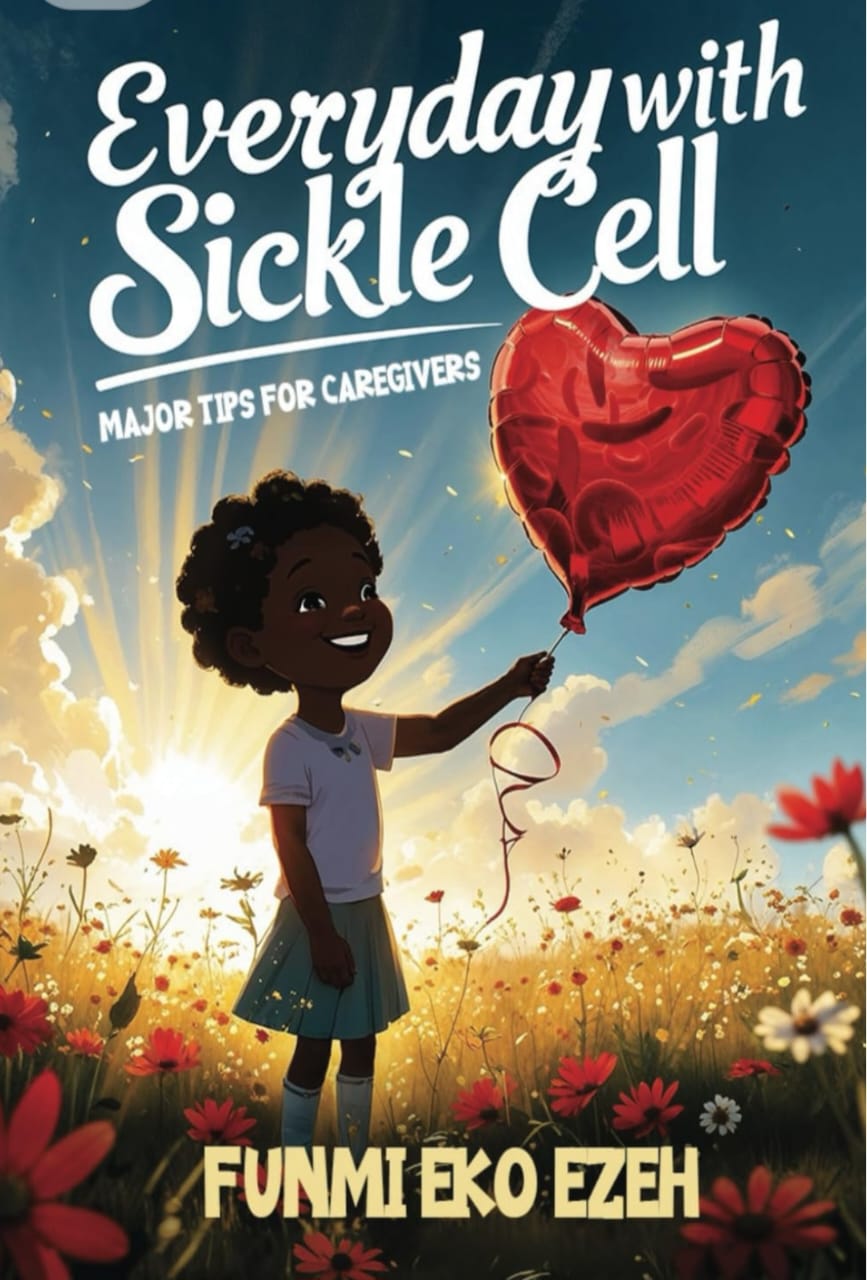
Funmi Eko Ezeh’s book, ‘Everyday With Sickle Cell’, uses a fictional family, the Adeyanjus, to tell the bitter truth about the anemic disorder. It weaves together themes of love, resilience, community, and advocacy in the context of sickle cell disease. Across seven chapters and a poignant conclusion, the narrative balances storytelling with education, presenting a textured portrait of what it means to be both a family and a caregiving unit in a society where health challenges can overwhelm households.
The opening chapter, ‘How it all Started’, reads like the beginning of a family memoir. Ezeh introduces readers to Lara and Dele Adeyanju, whose love story feels idyllic until a genotype misdiagnosis turns their lives in an unexpected direction. The revelation that their daughter Teni lives with sickle cell disease is narrated with emotional precision. The quiet despair of the doctor’s office, the crushing weight of error, and the couple’s determination to transform grief into action are all vividly presented.
This chapter sets the tone for the book: one of resilience, not resignation. Ezeh uses the Adeyanjus’ story to draw readers into the world of sickle cell realities showing how one error in testing can alter the trajectory of a family, and how love can become the fuel for advocacy.
In ‘The Diagnosis’ (Chapter 2), the author captures the shock and disorientation that accompany a child’s sickle cell diagnosis. This chapter stands out for its sensitivity: medical facts are relayed, but they never overshadow the raw emotion of parents grappling with uncertainty. Lara and Dele’s determination to seek knowledge and create stability reflects the reality of countless families who face similar diagnoses.
‘The Daily Struggle’ (Chapter 3) moves the narrative into the everyday. Doctor visits, night vigils, hydration routines, and protective strategies are presented with unflinching honesty. Yet, what might have been a bleak chapter becomes instead a testament to perseverance. The emotional toll is not ignored, but the chapter emphasizes how love and attentiveness transform routine struggles into acts of devotion.
The shift to ‘What is Malaria?’ (Chapter 4) broadens the story’s scope. Here, Ezeh interlaces scientific explanation with storytelling, showing how malaria’s prevalence complicates the care of sickle cell patients. Teni’s childlike metaphors—her bed net as a “magic shield”—soften the technical edges of the subject, making complex information both accessible and memorable. This chapter exemplifies the book’s unique strength: teaching without preaching, informing without alienating.

In ‘Support Systems’ (Chapter 5), the author highlights the importance of collective caregiving. By showing how grandparents, siblings, schools, and even faith communities form a support network, the chapter dismantles the myth of solitary caregiving. It makes a persuasive case that resilience is never individual; it is communal. This insight is one of the book’s most practical contributions, reminding caregivers that seeking help is not weakness but wisdom.
Turning Pain into Purpose (Chapter 6) represents a turning point. Lara and Dele transform from private caregivers to public advocates, channeling hardship into impact. Their workshops, policy advocacy, and support camps reveal how lived experience can fuel systemic change. Teni’s evolving role as a young advocate enriches this narrative arc, showing how caregiving can produce not only survival but also empowerment.
By A New Dawn (Chapter 7), the family’s journey matures into something larger than themselves. The establishment of “Warriors of Hope” as a formal platform extends the Adeyanjus’ story into institutional advocacy. The introduction of a new child, Kola, adds a tender layer of renewal, symbolising continuity and the future. Most moving is Teni’s transformation from patient to budding scholar and advocate. Her ambition to pursue medical research closes the generational loop: once protected, she now seeks to protect.
The conclusion is reflective, offering both closure and exhortation. Ezeh emphasizes that caregiving is not just about managing illness but about finding meaning and strength in the process. The final note is one of encouragement to caregivers everywhere, an assurance that their struggles, though often unseen, are deeply valued and shared.
The book’s greatest strength lies in its accessibility. Medical realities are translated into relatable metaphors, and advocacy is rooted in lived experience rather than abstract rhetoric. The balance between personal narrative and public health education ensures that readers are moved, informed, and inspired in equal measure.
Another key strength is the portrayal of community. By showing that caregiving is sustained through networks of love, the book challenges the individualistic framing often attached to chronic illness.
At times, the narrative risks idealising resilience. The hardships of navigating health systems, the economic strain of caregiving, and the systemic inequities that exacerbate vulnerability are present but understated. A sharper critique of these barriers might have added more weight to the advocacy dimension.
Ezeh has crafted a work that is deeply human and profoundly necessary. The Adeyanju family’s story is not only a testament to intentional caregiving but also a call to action for communities, policymakers, and healthcare providers. It is a book that affirms the dignity of families who live through storms and still find ways to build hope.
This is a blueprint for resilience and advocacy in the face of sickle cell disease.

