 Follow Us on Google News
 Follow Us on Google Discover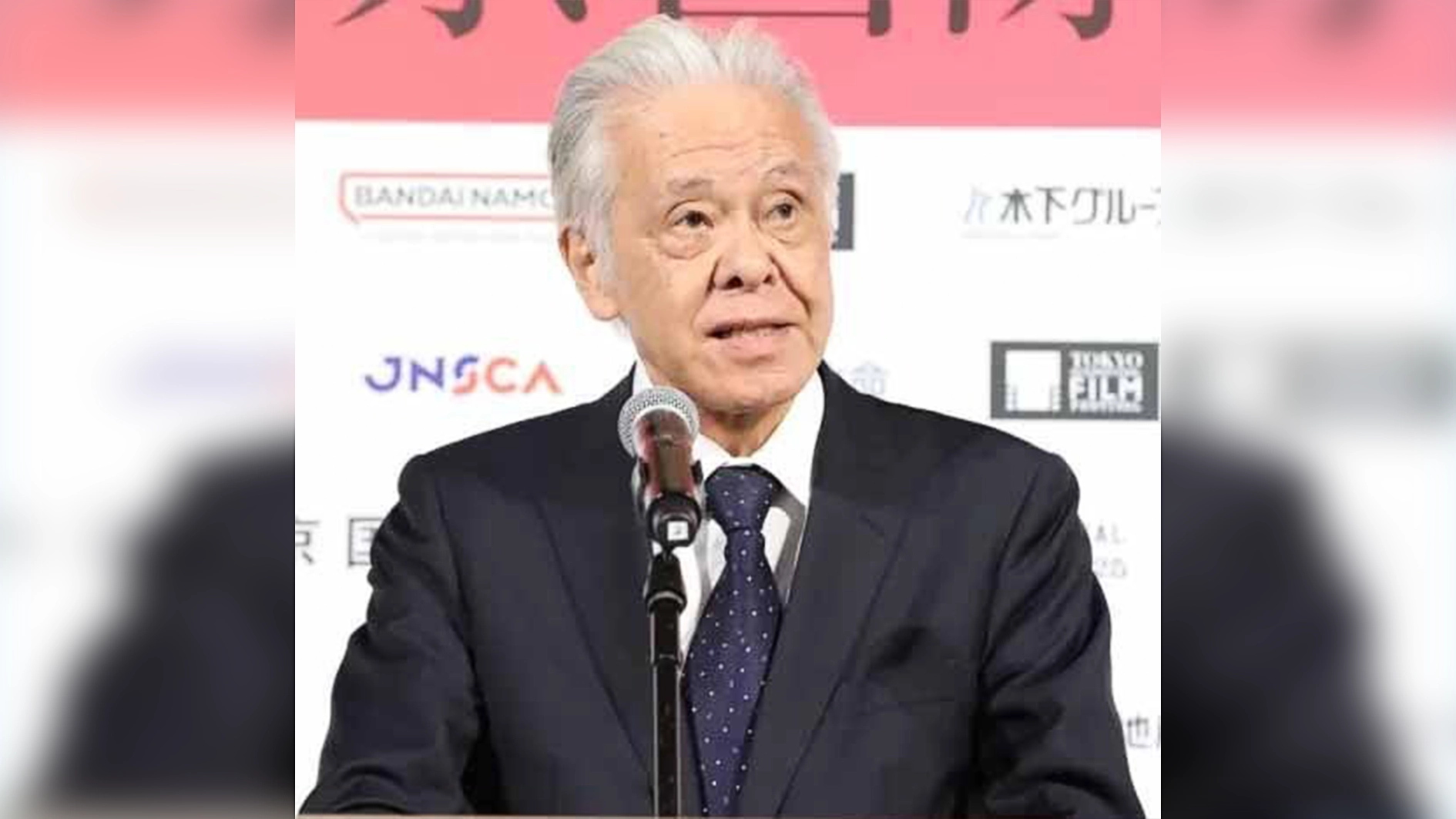
Cannes Filmfest Announce Films In Competition, Un Certain Regard
Organisers of the Cannes Film Festival have announced the films that are in competition for the festival grand prize.
The organisers had announced that Pierre Salvadori’s new film, La Vénus électrique, will open the 79th edition of the festival on May 12, with its premiere set for the opening ceremony at the Grand Théâtre Lumière, which will be hosted by actor Eye Haïdara. The organisers also hinted that the film open simultaneously in theatres across France.
The film in competition are: Amarga Navidad by Pedro Almodovar, Parallel Tales by Asghar Farhadi, A Woman’s Life by Charline Bouurgeois-Tacquiet,La Bola Negra by Javier Calvo and Javier Ambrossi, Coward by Lukas Dhont, Das Getraumte Abenteuer by Valeska Grisebach and All of A Sudden by Hamaguchi. Others are The Unknown by Arthur Harari, Another Day by Jeanne Herry, Sheep in The Box by Kore-Eda Hirokazu, Hope by Na Hong-Jin, Nagi Notes by Fukada Koji, Gentle Monster by Marie Kreutzer, Notre Salut by Emmanuel Marre, Fjord by Cristian Mungiu, The Birthday Party by Lea Mysius, Moulin by Leszio Nemes, Fatherland by Pawel Pawlikowski, The Man I love by Ira Sachs, El Ser Querido by Rodrigo Sorogoyen (The Beloved) and Minotaur by Andrey Zvyagintsev.
Also, the opening film for the Uncertain Regard section has been announced. The opening film is Teenage Sex and Death At Camp Miasma by Jane Schoenbrun. The other films in the section, which is open to first film by a director are Elephanys In The Fog by Abinash Bikram Shan, Iron Boy by Louis Clichy, Ben’Imana by Marie-Clemntine Dusabejambo, Congo Boy by Rafiki, Club Kid by Jordan Firstman, Ula by Viestura Kairiss, La Mas Dulce by Laila Marrakchi, El Deshielo by Manuela Martelli, Siempre Soy Tu Animal Materno (Forever Your Maternal Animal) by Valentina Maurel, Yesterday The Eye Didn’t Sleep by Rakan Mayasi, Words of Love by Rudi Rosenberg, I’ll be Gone in June by Katharina Rivilis, Words of Love by Rudi Rosenberg, Everytime by Sandra Wollner, and All The Lover in The Night by Sode Yukiko. The Cannes Film Festival runs from May 12 through to May 22.
Tokyo International Film
Festival Announce Call For Entries
THE Tokyo International Film Festival (TIFF) has announced that the 39th edition of the festival will hold from October 26 to November 4 in the Hibiya-Yurakucho-Marunouchi-Ginza area. The festival announced call for entries, which opened as from April 7 to July 7, 2026. As one of the leading film festivals in Asia, TIFF showcases premieres of films created by established filmmakers as well as outstanding works by up-and-coming directors from around the world, in a variety of sections. The festival announced that it accepts submissions from around the globe for films that have not yet been released in Japan (Japanese Premiere), including documentary and animation features. But as in previous years, the Asian Future section will highlight films by emerging Asian directors, including those from Japan and the Middle East, who have directed no more than three feature-length films. Submission deadline is till July 7, 2026. See entry regulation at:
Summit At 2026 Edition
THE African Indigenous Language Film Festival (AILFF 2026) has announced the integration of the AILFF AI Strategy Summit on Indigenous Film Discoverability and Monetisation as a core pillar of its 2026 programme, strengthening its position as a leading platform for African indigenous language cinema. The summit responds to the growing impact of artificial intelligence on film discovery, distribution, and monetization, and is designed as a strategic intervention to equip African filmmakers with the skills needed to compete in an increasingly algorithm-driven global screen economy.

AILFF founder, Osezua Stephen-Imobhio, described the summit as a direct extension of the Festival’s mission to protect, promote, and future-proof African indigenous language cinema in a rapidly evolving digital landscape. He emphasized that the Summit is fully embedded within AILFF 2026—alongside screenings, awards, workshops, cultural showcases, and networking sessions—underscoring the Festival’s commitment to preparing filmmakers not only as storytellers, but as industry professionals equipped for modern visibility systems.“As artificial intelligence reshapes how films are discovered and monetised globally, African filmmakers must not be left behind,” he said. “The future of indigenous storytelling depends not only on creativity, but also on understanding the systems that now govern visibility.”
Scheduled for July 23–25, 2026 in Parakou, the Summit will anchor AILFF’s industry programme and feature a keynote presentation, titled, “The Algorithmic Lens: Film Marketing, Distribution & Monetisation in the Age of AI.” The session highlights a major industry shift: while filmmakers once asked whether their films were good enough, the new question is whether algorithms can even find them, as weak metadata and poor tagging can render strong films invisible.
The summit will run through a four-part structure: Round Table Policy Dialogue, an AI Masterclass Workshop and an Innovation Lab for African Indigenous Film Organisers say the integration reflects the scale of disruption facing African cinema and the need for solutions that combine dialogue, training, policy development, and innovation. The AILFF AI Strategy Summit on Indigenous Film Discoverability and Monetisation is expected to attract filmmakers, distributors, marketers, students, policymakers, and technology innovators from across Africa, and stands as one of the defining highlights of AILFF 2026.

