Get Guardian on Google
Nigerians have been told to, irrespective of their individual ethnolinguistic origin and indigenous languages, learn and speak one another’s languages.
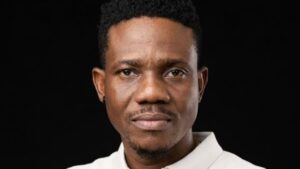
Professor of Linguistics and Igbo Language at Abia State University, Uturu, Ogbonna Onuoha, stated this while delivering (in Igbo language), the university’s 52nd inaugural Lecture titled, “From Language Wars To Multilingualism As A Tool For Resource Sharing In Nigeria.”
Apparently underscoring the importance of the Igbo language, chairman of the lecture session and the school’s vice-chancellor, Professor Uche Ikonne, said that it was in this regard that the university established the Centre for Igbo Studies and approved scholarships for the first five students that register to study the Language in the university.
Onuoha said Nigerians ability to learn and speak one another’s indigenous language other than theirs, would impact positively on national unity, friendship and peaceful co-existence in the country.
He added that it determines the true cost or value of multilingual ability as a carrier of the process of resource sharing, and sees bilingual or multilingual performance as human capital or non-physical market good, product and service.
According to Professor Onuoha, this approach of Nigerians learning and using one another’s languages would promote peaceful co-existence, brotherhood, economic prosperity, unfettered access to and communication with the diverse speakers who hold a language/s in common.
He cited some multilingual nations like Greece, Turkey, India, Norway, Kosovo, Sudan, Liberia, Rwanda, Belgium, Iraq, Ireland, Pakistan, Bosnia-Herzegovina and Nigeria who, he said, “ have experienced series of language conflicts, crisis, and of wars.
He said this scenario was aggravated by the age-long belief in literature that multilingualism is a “problem “ or “curse” rather than a blessing.
To promote practical multilingualism as well as stimulate human, national and economic development through inter-ethnolinguistic resource sharing, he recommended that government should establish Centres for Multilingual Research and Resource.
“Nigeria needs policies that would connect its indigenous languages in a symbiotic or mutual web of inter-lingual intelligibility. Once this is achieved, rivalries, prejudices, conflicts and other contrived problems by ethnic barrier-builders against national development and unity would no longer be relevant or have such jobs to do,” he stressed.
[ad]