 Follow Us on Google News


 Follow Us on Google Discover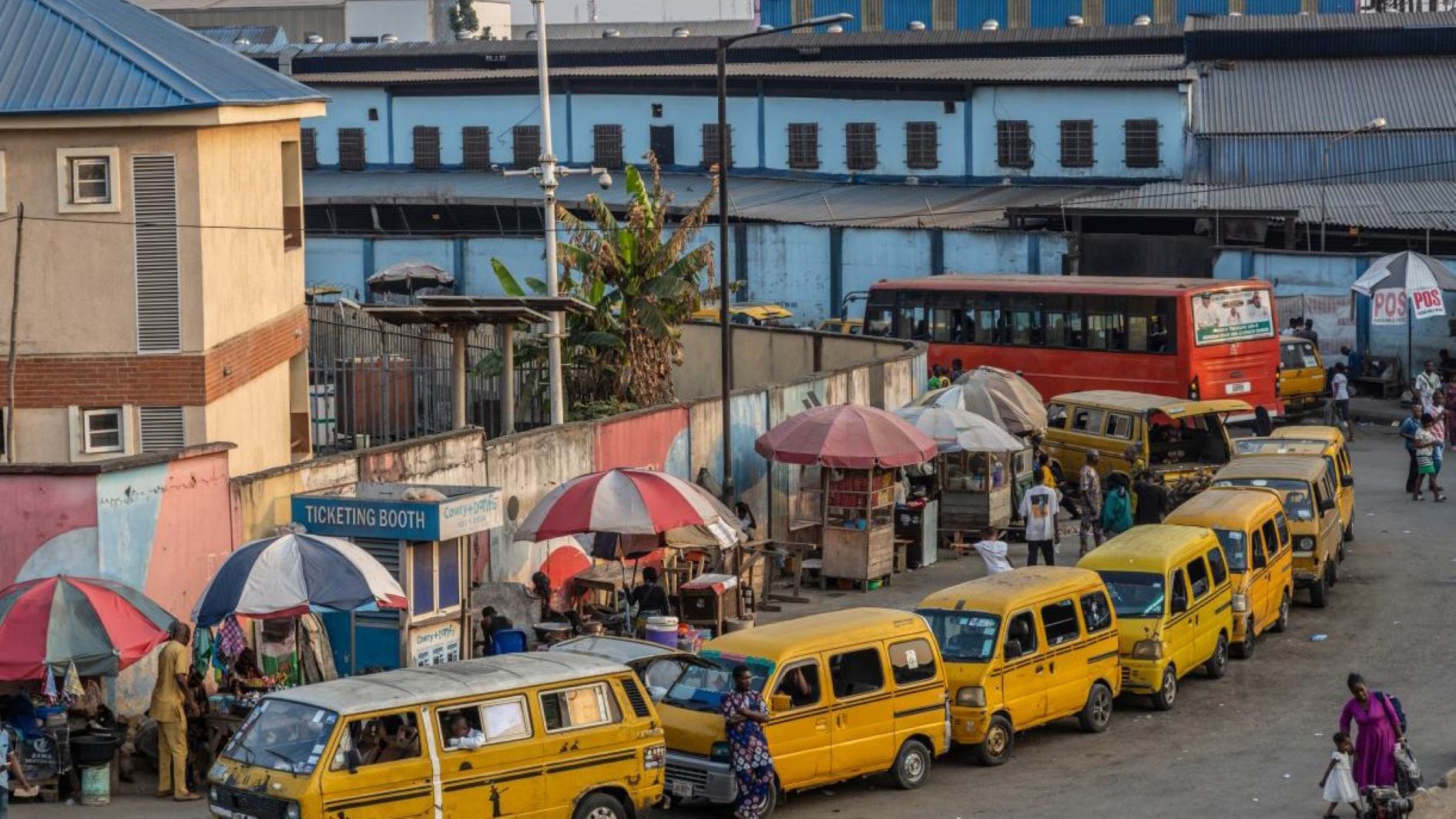
For the documentary photographer and visual artist, Andrew Esiebo, it is important to explore the nuances of union workers, popularly referred to as ‘agbero’ beyond clichés.
Fielding questions from journalists at his public exhibition held recently in Obalende, Lagos, Esiebo said there is a need to look at their realities, how they work within the motor parks, how they organise transportation, and their relationship with government authorities.
To him, “I’m really interested in that intricate relationship they build. I’m always interested in people and cities—how we go about our daily lives and realities. When artists and researchers work, we often showcase the outcomes in galleries. But this time, we felt it was necessary to bring that knowledge into the public space and engage directly with the community.”
He further explained that As We See Am is a collaborative project between himself and Prof. Laurent Fourchard of CERI–Sciences Po, bringing together artistic practice and academic research. While Fourchard has spent about eight years conducting ethnographic research on Lagos motor parks, Esiebo has spent the past three years contributing photography and artistic research. Together, the project combines both approaches to deepen understanding of the realities and complexities of Lagos’ motor park ecosystem.
“It is a non-biased way of expressing what we saw. The idea is to bring art and academia together to expand knowledge. We often work in silos, but through this collaboration we are telling stories and reflecting what is happening in society,” he said.
Speaking further about the findings, Esiebo noted that the research revealed how highly structured the unions are, from the central body down to individual branches. He added that union members play a significant role in organising and facilitating much of Lagos’ informal public transport system.

Concerning collaboration with policymakers, Esiebo said understanding the existing transport ecosystem is important.
“I think there should be better collaboration between the state and the union members. Public transportation should ultimately be the responsibility of the state, but it is important to recognise the role these unions already play in organising transport and carrying out a number of administrative functions within the motor parks. They also help in keeping the parks clean. It’s interesting how they perform these roles, and I hope there will be more constructive engagement between the unions and policymakers.”
As regards the duration of the project, he said, “this project belongs to the people, so it is up to them to determine its lifespan. During the installation, they were actively involved.
They even contributed ideas about where the photographs should be placed. As a photographer, I see it as a privilege to enter these spaces and reflect what I see.”
On her part, the curator, Miora Ranaivoarinosy, said As We See Am, from an artistic perspective, is about knowing through observation and presence.

