 Follow Us on Google News


 Follow Us on Google Discover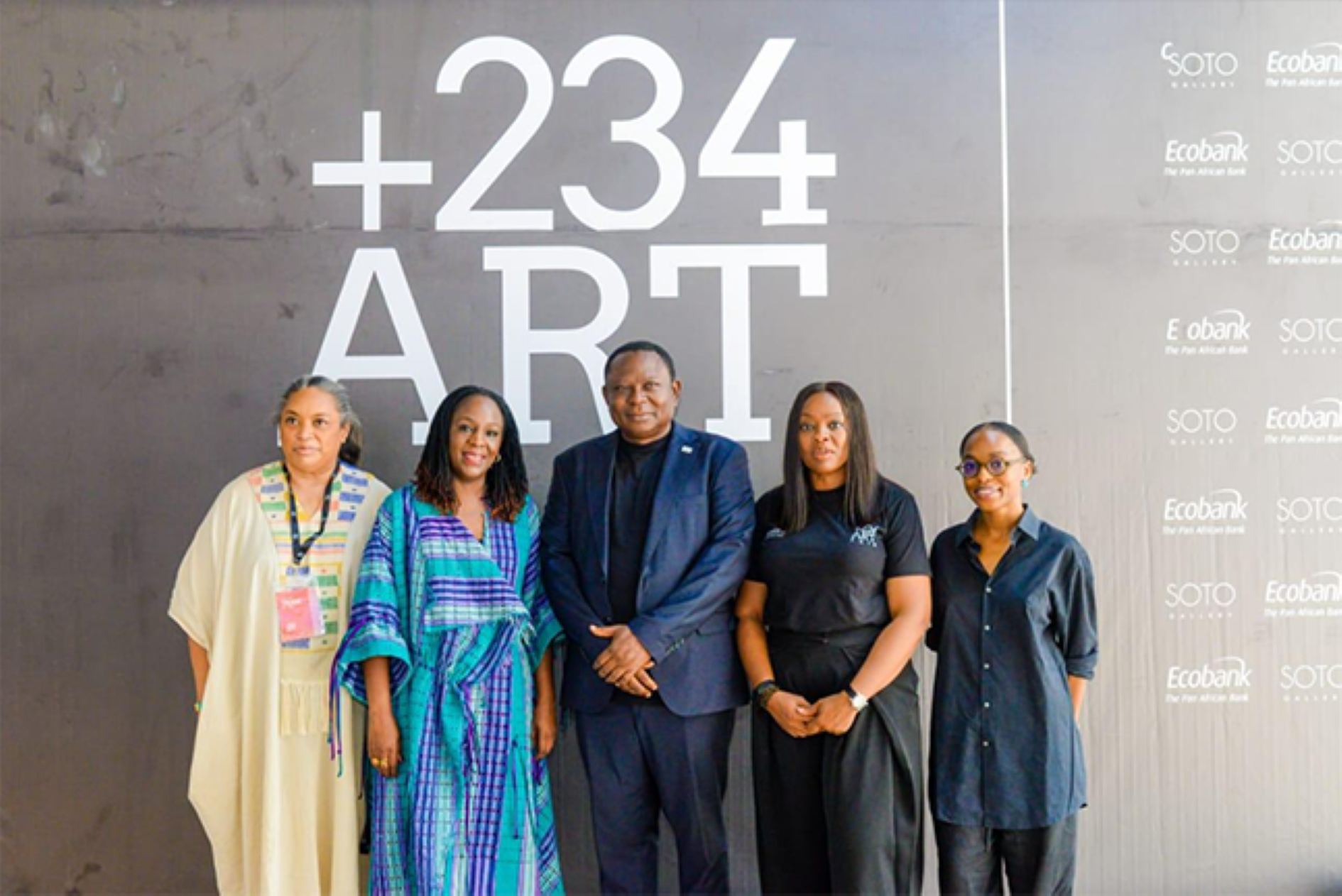
Last week, Ecobank Pan-African Centre (E-PAC), a 2,000-square-metre exhibition facility on Ozumba Mbadiwe Street, Victoria Island, Lagos, was a beehive of activities as the facility hosted the third edition of the yearly +234 Fair.
With ‘Inclusivity: Widening the Frame’ as theme for this year, over 400 artists had their works on display with selected works cutting across four main expressions: digital arts, 2D/Fine arts, sculpture and photography, marking a significant increase from previous editions that featured about 200 artists.
At the unveiling, Managing Director and Regional Executive, Ecobank Nigeria, Bolaji Lawal, said: “As a pan-African banking group, we recognise the transformative power of the creative sector. We are committed to providing platforms that enable African creatives, including visual artists, to access markets, visibility, and opportunities locally and internationally.”
Head of Marketing and Corporate Communications at Ecobank Nigeria, Austen Osokpor, told The Guardian, “we have a collective vision of promoting African culture to reinforce and celebrate our shared heritage. This partnership aligns with the broader resurgence of African creativity, enabling talents to thrive while preserving the stories that define who we are as a people.”
Osokpor said, “we have looked at the creative industry space; I would say a lot of things need to be done there. Nigerian population is a young population, and a lot of these young people do a lot of things, you know that connects to creativity. So, how do we support them and take them off the ground? Because most of them don’t have the ability to do it themselves. So this art fair, for instance, we are connecting several things together. We are supporting creativity, telling the Nigerian story.”
The fair is committed to nurturing and elevating Nigeria’s burgeoning art industry by providing a credible platform that supports emerging artists, stimulates art acquisition, and contributes to the growth, prosperity, and international recognition of the local art ecosystem.
Designed as a melting pot of artistic expression, the free-entry exhibition showcases painting, photography, sculpture, digital art, and children’s art.

He said the fair is an international art exhibition dedicated to young, un-galleried, emerging Nigerian artists. Its name, “+234Art,” is derived from Nigeria’s international calling code (+234) and the universal language of art — symbolising a bold expression of Nigerian creativity to the world.
“It is a creative intervention that bridges institutional knowledge with civic consciousness, proving that art isn’t just for walls — it is for life, learning, and transformation.”
It offers the public an immersive opportunity to engage directly with the next generation of Nigerian creatives while fostering cultural
resonance, talent discovery, wealth creation, learning, networking, and social impact.
The edition convene a diverse audience, including government officials, policymakers, members of the diplomatic corps, corporate leaders, art collectors, creatives, and enthusiasts from Nigeria and beyond.
The fair has consolidated its position as one of Nigeria’s most influential cultural platforms, recording sustained growth across its 2024 and 2025 editions. Over 18,000 visitors attended across both years.
Participating artists increased from 200 in 2024 to 260 in 2025, reflecting expanding reach within the creative community.More than 1,100 artworks were exhibited across multiple mediums.
The fair emerged as the number one trending topic on X (formerly Twitter) in both editions, underscoring its growing national visibility and cultural relevance.
Founder of Soto Gallery and Curator of the +234 Art Fair, Tola Akerele, added: “The fair is more than an exhibition; it is a movement to amplify Nigerian voices, celebrate our stories, and connect our artists to wider markets across Africa and beyond. ‘Inclusivity’ reflects our determination to widen representation and reshape visibility within the art space.”
According to Akerele, the theme of this year’s edition focuses on inclusivity, and to this end, they embarked on a nationwide search which stretched over a month and across 17 states, to discover talents in underserved communities.
Akerele said the tour covered regions in the North, East and South-West and was properly documented in a film supported by The Osahon Okunbo Foundation.
She added that the fair also coincides with Women’s month, drawing attention to the challenges faced by female artists who often drop out of the profession due to lack of support. She said their goal is to support more female artists as much as possible to bring in and retain more women in the sector.
“We know that many artists across Nigeria are extremely talented but do not always have platforms to showcase their work. This fair is designed to bring their works to public attention and allow people engage with them,” she said.
Also speaking, President and CEO of AFC, Samaila Zubairu, said: “Now in our third year of supporting the +234 Art Fair, AFC remains committed to championing platforms that unlock the commercial and cultural value of Africa’s creative industries. The fair reflects the power of Africa’s young, dynamic talent to drive innovation, enterprise and global cultural influence. Through our continued collaboration with Ecobank and Soto Gallery, we are proud to support an ecosystem that enables African artists to scale their reach, retain value on the continent, and position African creativity as a globally competitive economic force.”
Speaking at the event, Director-General, National Gallery of Art (NGA), Ahmed Bashir Sodangi, stressed the need for stronger institutional structures and policies to enable Nigerian artists build sustainable careers beyond temporary recognition.
Delivering a keynote address on the theme, Beyond the Moment: Building a Sustainable Career in Visual Art, Sodangi said while exhibitions and viral recognition could propel artists into the spotlight, such moments often fail to translate into long-term professional growth without adequate institutional support.
According to him, sustainability in the art sector requires strong systems such as documentation, regulation, access to markets, professional standards and institutional backing.
Curatorial lead of the fair, Eyimofe Ideh, said the expanded outreach significantly increased participation and diversity among artists.
According to her, organisers realised that previous editions mostly attracted participants from states close to Lagos, prompting the decision to travel across the country to reach artists in distant regions.
Ideh noted that the artists expressed appreciation for the initiative, explaining that distance and logistics often discourage them from sending artworks to exhibitions in Lagos.
She added that organisers also provided sponsorship support to transport artworks from some states to the exhibition venue.

