 Follow Us on Google News


 Follow Us on Google Discover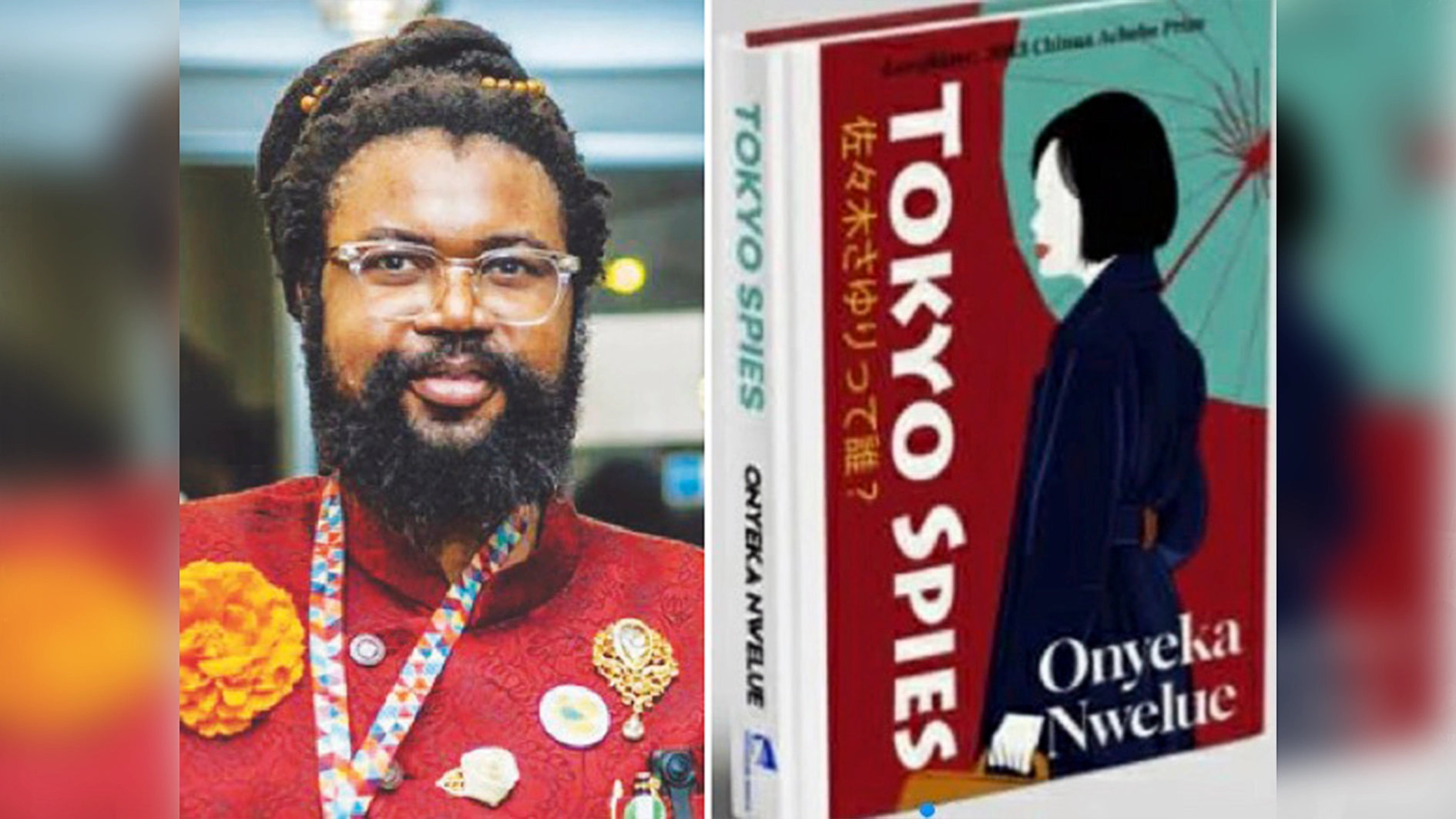
There is a recurring phrase in Onyeka Nwelue’s slender, haunting new novel, Tokyo Spies (2026): a single stroke reveals the truth of a man. Spoken by the austere calligraphy master Gao, it functions as both instruction and verdict – and Nwelue is merciless in applying it to his protagonist.
Zenjiro Ito is not a hero. He is a young Japanese man who flees a quarantined family, lies to two women simultaneously, loses his art through dishonesty, and only finds himself again on the far side of ruin. Set in Meiji-era Kawasaki, Tianjin, and then home again, Tokyo Spies is less a spy novel than a novel about the performance of identity – the masks we wear, and the exhausting cost of wearing them.
The calligraphy at the heart of the book is not decorative. It is the moral register. When Zenjiro’s brushwork falters, we understand that he is lying. When it finally becomes raw and imperfect and true – in the hands of a street beggar, stripped of pretension – we feel the catharsis entirely. Japanese publishers clearly felt it too: the book was acquired for 85 million yen (approximately $600,000) before it reached any other market, a figure that speaks to the confidence of a readership that recognised itself in the story.
Nwelue, who reportedly dreamed the book into existence, writes with the instincts of a filmmaker – the prose kinetic, image-driven, culturally layered. At its core this is a book about filial debt, the weight of the parents we abandon and the selves we must destroy before we can be rebuilt. It is compact but not slight. Nwelue has written something quietly devastating.

