 Follow Us on Google News


 Follow Us on Google Discover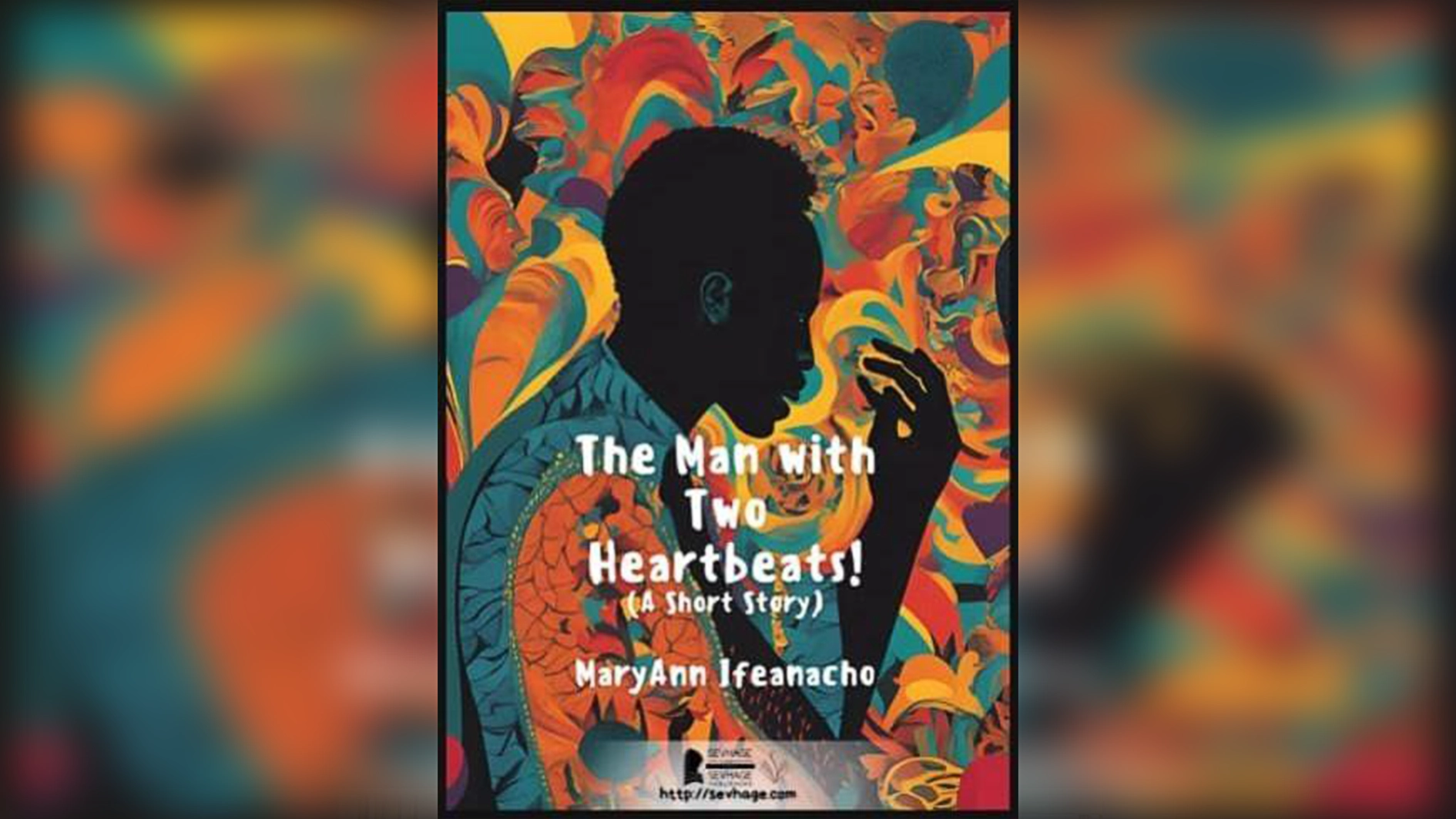
By Anote Ajeluorou
The effectiveness of the short story in exploring the contours of man’s inner recesses cannot have been better handled by MaryAnn Ifeanacho in the four stories in The Colours of Undoing collection. It’s a luminous collection that threshes out varying raw emotions.
Ifeanacho’s style is both lean and expansive as she gives agency to different characters and their emotional fares. ‘Government Property’, ‘Ajja and the Children of Nature’, ‘The Man with Two Heartbeats’ and ‘Redeem and Blues’ are the four stories that make up this collection.
Perhaps, Ifeanacho’s story that most resonates in its ugliness is ‘Government Property’ on account of its ‘japa’ theme and cruel irony that is so often lost on would-be young Africans intent on going to Europe to make it. Ahamefuna, Biggie, Aham or Hammy, depending on who’s calling him, is a not-so young Nigerian immigrant living and working in the UK. A graduate, but he can’t find regular corporate jobs like most; so, he settles for menial work of stacking cartons of goods all day alongside another Nigerian, Daraima or Darry.
Through these cast of two Nigerian characters, Ifeanacho exposes British work system and how immigrants hold the short end of the stick.
The work is brutal, but the pay is reasonable, but you have to have worked the system to know it. Daraima is learning the fast ropes from old Hammy, who’s a willing teacher. Most immigrants who fall under sponsored workers category in the UK end up in slave work, Hammy explains to Darry. They’re at the mercy of their employers and could be worked to their death. Hammy’s work ethic is a study in stoicism; he arrives earlier than most, works harder than most, but this exacts a toll on his body that he does not know or doesn’t care. His boss is so happy with him for this; Darry envies him. And because it’s under the table kind of work, they both do not pay taxes unlike other category of workers.

But Hammy is smart like most Nigerians caught in this vicious work circle. He’s saving every penny he makes and sending it back home to build his family a befitting house. His father never built one; as first son, the duty now falls on him to do so. He’s also studying on the side to fit into his new society better; he hopes to quit the brutal work one day for a more comfortable one. Ahamefuna, aka Hammy, is indeed a smart man, but the cruel nature of his job does not allow him take proper care of his body. He just works and works.
It’s just like any day; Hammy and Darry finish work and collect their pay check at Avis Agency and join the bus heading home. Ola, another Nigerian, joins the two on the bus home. When the bus stops, Hammy and Darry are fast asleep; nothing new. Ola taps Darry awake. Hammy is still sleeping or so they think. Darry taps to wake him, but Ahamefuna is unresponsive. Other passengers have spilled out; the driver is impatient. He wants to move on, but Hammy needs to wake up and leave his bus. He goes over, bends over and touches him. Hammy is cold dead. Then the police arrive.
For Darry, it’s a cruel joke. How could someone so alive, who worked like a bull just hours ago be pronounced dead? What happens now to his dream of completing the big house in his village back in Nigeria? Darry’s shock is complete. It takes Ola some efforts to pull him away from the bus and death scene. Ahamefuna has become government property, and there is nothing they can do but move on.
Ifeanacho’s ‘Government Property’ is a honest study of the brutal work ethic of immigrants. While many work many jobs, Ahamefuna works just one, but he’s so completely dedicated that it seems as though he works at more than one job. He has big dreams of working some day in a big office; so, he studies data analysis on the side to augment whatever degree he brought from Nigeria, because the one from Nigeria never guarantees you anything. So Ahamefuna and Daraima work menial jobs just to survive till they acquire what the system recognises to usher them into British work society proper.For Hammy, it becomes just another dream.
‘Ajja and the Children of Nature’ explores a woman’s childlessness and the gruelling extent she subjects herself just to have one. Although her husband is long dead, Ajja still wants a child, so she approaches the gods who give her strident conditions. She undergoes it all at breaking point only to have her wish come true in unexpected creatures as children. Having gone through such harrowing ordeal, Ajja is impatient at the slow transformation of her weird gifts to what she desires. The cruelty irony of it all is heart-breaking.
In ‘Redeem and Blues’ and ‘The Man with Two Heartbeats’, Ifeanacho navigates two opposing emotions, one rape and that of the ‘other’ woman in a triangle relationship. A rape incident years back is about to repeat itself in ‘Redeem and Blues’. Although Chibuzo, one of those vague uncles you don’t know exactly how you’re related, is married now with a daughter; he assumes he has ownership of the body of his former rape victim and feels entitled to it any time he wants. But this time, the protagonist is ready. Chibuzo corners her as usual, with his wife and daughter some rooms away, and decides on a quick one with her. But he has not reckoned with the rage of past violations still throbbing in her veins, as she sinks her teeth into his engorged manhood and “A bloody moon bloomed on the front of his baby blue senator. He always had a thing for blue. Today, blue, baby blue, became the color of retribution and redemption.”
‘The Man with Two Heartbeats’ chronicles the life of a university girl caught between giving her heart to a younger sweetheart her age and a sugar daddy. Ifeanacho weaves a rollercoaster of emotions she undergoes, as she navigates these extremes of relationships that would define her as a woman.
Ifeanacho’s writing is both lean andexpansive, as the stories demand. Her economy of words and controlled narrative flow make her writing a gem. These stories will leave readers in awe and stunned silence. From ‘Government Property’ to ‘Redeem and Blues’ and ‘The Man with Two Heartbeats’, Ifeanacho has woven memorable tales about modern social conditions whose after-tastes will remain on palates for a long time.

