 Follow Us on Google News


 Follow Us on Google Discover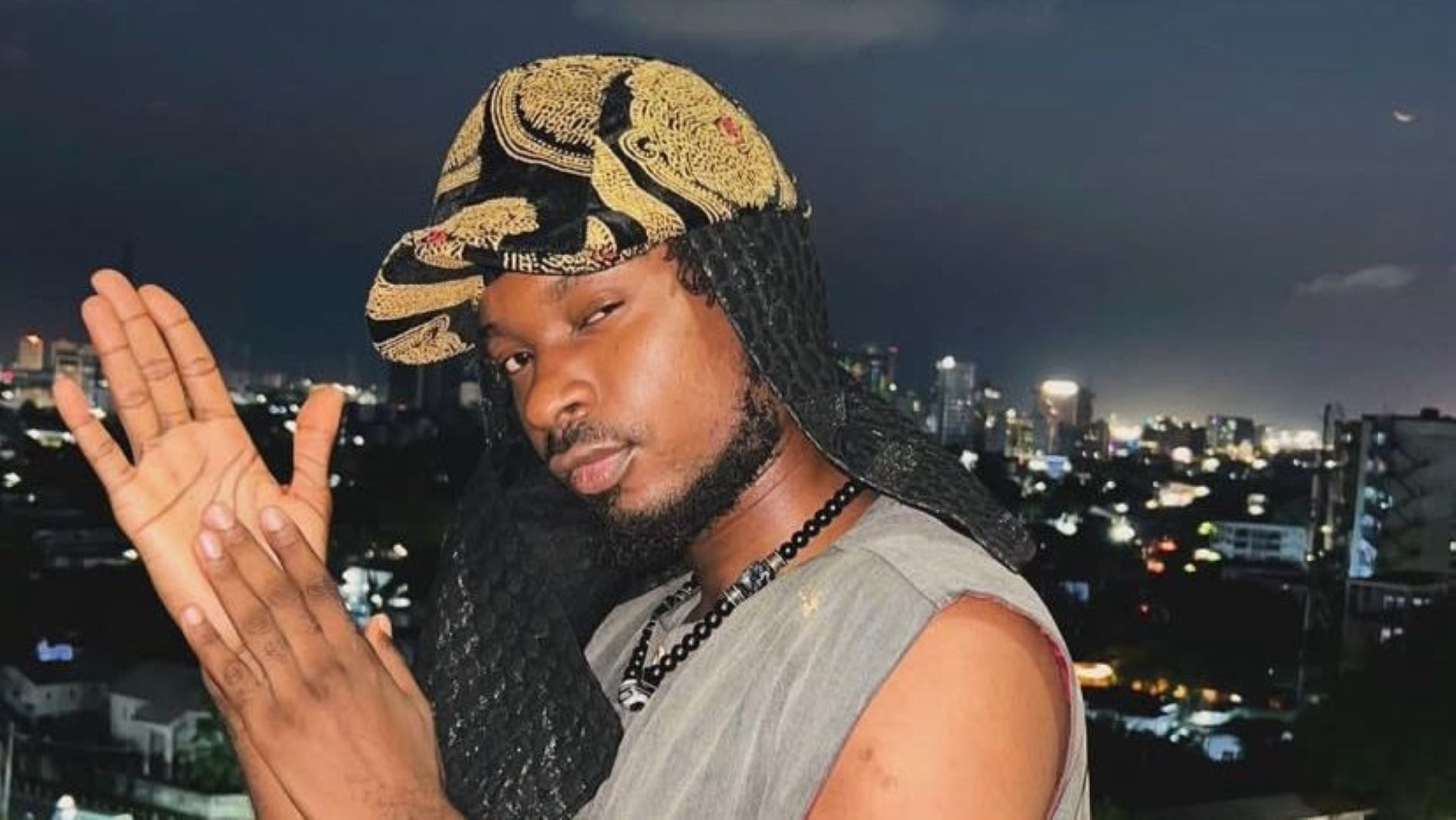
In a fashion ecosystem increasingly defined by global crossover and cultural reimagination, Nigerian fashion designer and creative mogul Ikenna Stanley Nwosu is building something that sits at the intersection of heritage and futurism. As the founder of Bantu Clan Season, his work revives African identity, while reconstructing it for a contemporary audience.
Emerging from a background in styling, Nwosu’s transition into design was driven by a deeper need to move from curating looks to creating them from raw material. That instinct has since evolved into a design philosophy that traverses cultural storytelling, where indigenous fabrics like Isi Agu are exhumed from the minority and reinterpreted as modern, wearable symbols of identity.
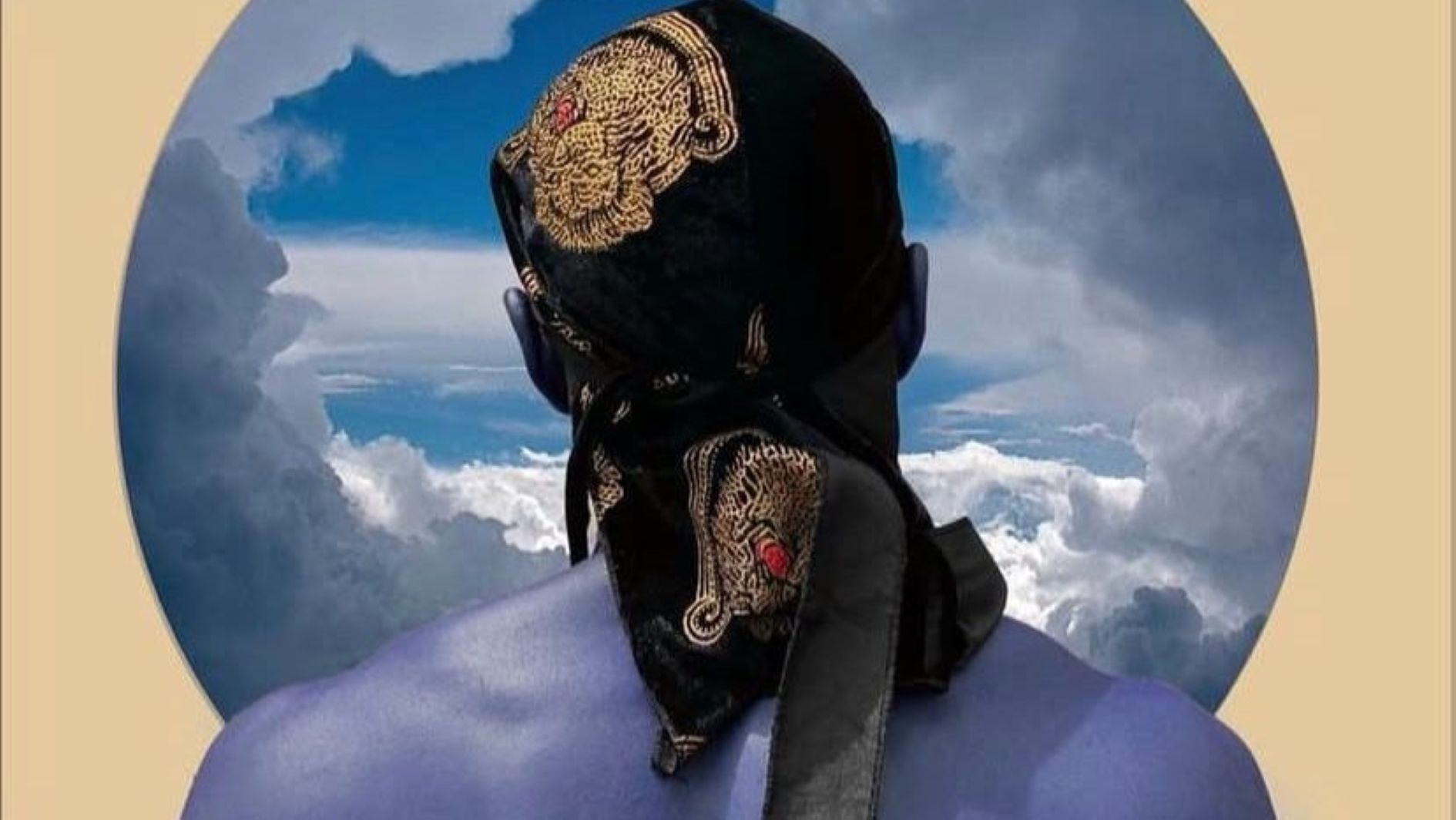
After his iconic collaboration with Nigerian photographer Ruby Okoro for their ‘Heaven Belongs To You’ and ‘Agu na e Chemba’ photoseries, his Isi Agu durag collection gained significant international acclaim. It was recently featured across Europe, gracing the cover of L’Eventail magazine, in Belgium; and exhibiting at Fotografiska Shanghai, Art Basel Miami, PhotoVogue Festival, and Galeria Gomis, in Paris.
With Bantu Clan Season, Nwosu is building a visual language that connects African heritage to a global streetwear audience, one piece at a time. He catches up with Guardian in this interview, offering us a bird’s eye view into his creative world of fashion, design and heritage; detailing his muses; working with creative mavericks like Ruby Okoro; and his mission to unlock the renaissance of indigenous fabrics as a foundational fabric in contemporary fashion design across Africa.
Tell us about your background and how you got started in fashion.
I’m Ikenna Stanley, also known as Poophmoore. Poophmoore is the company, and Bantu Clan Season is the fashion brand under it. I started around 2016, initially as a styling outfit working with creatives in university. At some point, I realized styling wasn’t enough for me. I wanted to express myself more fully, and design allowed that. It gave me the ability to create from scratch, to take an idea from raw material to a finished piece. That shift into design was really about creative control and deeper expression.
What is the difference between Poophmoore and Bantu Clan Season?
Poophmoore is the parent company. Bantu Clan Season is the fashion brand under it. Beyond fashion, Poophmoore also operates as a strategy company. We’ve explored areas like real estate and talent management, working with different creatives across industries.

What is the core philosophy behind Bantu Clan Season?
The name itself explains it. “Bantu” means human, “Clan” means community, and “Season” represents a period in time. So it’s essentially about a community of people, in a particular time, expressing identity through fashion. I’ve always believed that Africa is central to global origin stories, and Bantu represents a shared root in that sense. The brand is about creating pieces that tell cultural stories—designs that reflect who we are, across different contexts and geographies.
Your recent work heavily incorporates Igbo heritage. What drew you to that?
A big part of it is personal. I’m Igbo, so those materials and symbols are naturally close to me. With the Isi Agu pieces, especially the durag, the idea was to create something like a crown — something that represents royalty. People who wear Bantu Clan Season, to me, carry a certain level of presence and identity, so I wanted to reflect that. It was also about merging heritage with streetwear. Isiagu traditionally represents royalty, strength, and status. By bringing that into streetwear, it becomes something more accessible but still deeply symbolic.
Do you have a personal connection to working with indigenous fabrics?
Yes, definitely. Those were some of the first materials I started experimenting with as a designer. I see them as a foundation for expression. There’s a lot you can do with them — reinterpret them, reshape them, and still maintain their essence. Working with indigenous fabrics keeps me connected to my roots while allowing me to create something new.
Who are some of your biggest influences?
Before I started designing, I spent time studying creatives who had built global impact—especially Black creatives. People like Virgil Abloh, Jean-Michel Basquiat, Fela Kuti—individuals who created culture, not just products. In fashion specifically, I’ve been inspired by designers like Raf Simons and Karl Lagerfeld. I also look at what’s happening locally; brands like Orange Culture and designers like Lisa Folawiyo. Inspiration comes from everywhere.
Tell us about your collaboration with Ruby Okoro.
It was very organic. We’ve worked on multiple projects together, collections, shoots, and visual pieces. For the Isi Agu durag, I sent him the piece, and he created an image around it for his project. That image went on to be exhibited internationally. Most of my collaborations are like that; meeting in the middle creatively. There’s no rigid structure, just a shared intention to make something meaningful.
How did it feel seeing your work travel globally through that collaboration?
It was humbling. That piece was one of the earliest things I made, and to see it move across exhibitions in different parts of the world was powerful. It reminded me that you never really know how far something you create can go. It started from something very simple, and it reached a global audience.
What are some challenges of working with indigenous fabrics?
One major challenge is technical skill. Not everyone can work with fabrics like Isiagu or Aso Oke at a high level. It requires skilled artisans, and those aren’t always easy to find. Beyond that, the process itself can be complex and expensive, but the outcome is always worth it.
 How do you see indigenous streetwear evolving in Nigeria?
I think the key is fusion. Streetwear already has global acceptance, so combining it with indigenous fabrics makes it easier for people to connect with. There’s also a need for more visibility—people need to talk about these fabrics more, wear them more, and support the people who produce them. It’s not just about designers. The entire ecosystem—from fabric makers to artisans—needs to be empowered for the industry to grow.
Do you think your work is more appreciated abroad than locally?
To some extent, yes. There’s often a deeper appreciation for art in international spaces. But locally, it’s growing. More people are beginning to understand the value of what we’re creating. There’s still a gap, but it’s closing gradually.
What is your long-term vision for Bantu Clan Season?
The goal is to create pieces that resonate globally—especially with people who feel a connection to Africa. I want Bantu Clan Season to reach scale—to be worn by people all over the world, while still maintaining its cultural essence.
Finally, what’s next for you?
There’s a lot in the works. I’m currently developing multiple collections at different stages—design, production, and iteration. We’ll be releasing at least three collections this year, but I want to keep the details minimal for now.

