 Follow Us on Google News
 Follow Us on Google Discover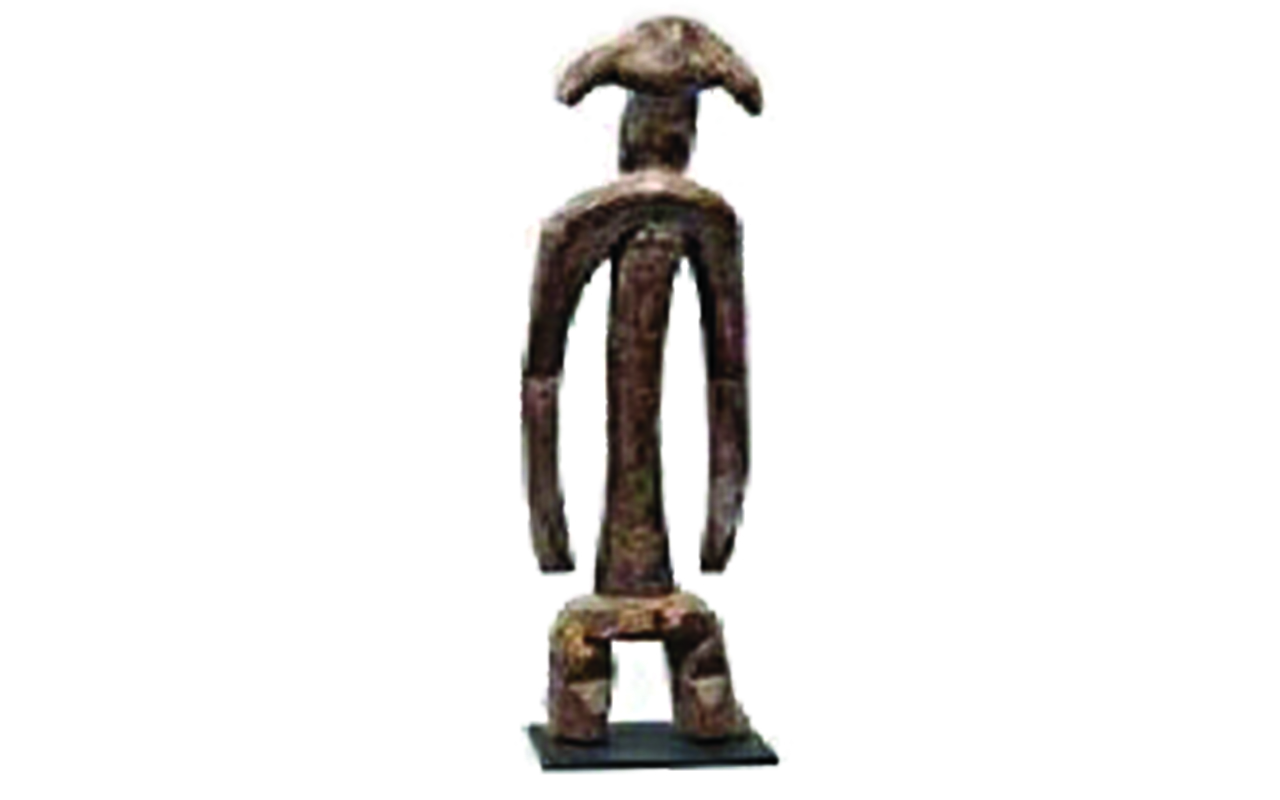
In the heart of northeastern Nigeria, the Mumuye people of Taraba State uphold a sculptural tradition that is as intriguing as it is spiritually significant. Their wooden figures, known as ‘Gwinki,’ are not mere artifacts but embodiments of cultural identity, religious expression, and communal heritage. The distinct elongated forms, intricate carvings, and symbolic embellishments of these sculptures have captivated art enthusiasts and scholars worldwide, offering a glimpse into the soul of an ancient tradition.
The Mumuye figure is a striking wooden sculpture, crafted with precision and reverence. Ranging from 20 cm to 1.6 m in height, these figures are carefully hewn from wood, with distinct physical features that set them apart. A flat face, large protruding ears, and an emphasized navel are common characteristics, alongside decorative additions such as white beads, leather strips, and cowrie shells. Their sturdy legs and heavy feet ensure stability, reinforcing their commanding presence within the community.
One of the most fascinating elements of Mumuye sculptures is the openwork design between the body and arms, forming a graceful spiral pattern. The arms, elegantly wrapped around the slender torso, are carefully carved, with defined elbows adding to their realism. The head often features an elaborate crest-like coiffure, accompanied by distinctive scarification marks that highlight cultural identity.
A particularly unique aspect is the perforation in the nasal septum, which allows for the insertion of decorative elements such as a stalk of guinea corn. The distinction between male and female figures is subtle yet significant, with gender often identified through the shape of the ears—only Mumuye women stretch their earlobes, setting them apart in these sculptures.
Originating from Jalingo in the Taraba North Senatorial District, Mumuye figures serve multiple roles within the community. They are not simply artistic expressions but are deeply embedded in spiritual and social practices. Used by diviners and healers, these figures aid in diagnosing illnesses and uncovering misfortunes. Families place them in homes as guardians, believed to ward off evil forces and bring protection. Elders utilize them in rituals and discussions, reinforcing their authority and societal status. Some even regard these figures as personal confidants, engaging in private spiritual dialogues with them.
Unlike many African tribal sculptures, Mumuye figures are not mere representations of ancestors; rather, they are seen as incarnations of spirits. The Vabong secret society, which governs religious and communal life, integrates these figures into initiation ceremonies and spiritual guidance. Some are used in rainmaking rituals, while others play a role in welcoming esteemed visitors. The Mumuye people recognize La, the Supreme Being, and practice ancestral reverence through these symbolic sculptures, highlighting their deep spiritual connections.
The role of Mumuye art extends beyond ritual and spirituality; it also holds significance in social hierarchy and governance. Among the Mumuye, these sculptures serve as a medium of power and authority. Elders and leaders use them as symbols of wisdom and governance, emphasizing their place in the community. During important deliberations, the presence of these figures reinforces the weight of decisions and ensures adherence to traditions. Their significance is further underscored by the fact that these figures are often passed down through generations, linking the past with the present.
In contemporary times, Mumuye art has gained recognition far beyond Nigeria’s borders. Collectors and museums worldwide seek out these sculptures, appreciating their abstract aesthetic and cultural depth. However, this global recognition has also led to challenges. The increased demand for authentic African sculptures has fueled illegal art trade and looting, leading to the displacement of many Mumuye artifacts from their rightful owners and communities. Efforts are being made by cultural organizations such as the National Commission for Museums and Monuments (NCMM) to preserve and protect these artifacts, ensuring they remain part of Nigeria’s living heritage rather than being relegated to foreign collections.
Despite the impact of modernization and external influences, Mumuye art remains an enduring symbol of African heritage. These sculptures, with their profound meanings and artistic elegance, continue to draw the interest of collectors, anthropologists, and historians. The legacy of Mumuye art not only preserves the spiritual traditions of its people but also serves as a testament to Africa’s rich sculptural heritage. As these figures transcend their local origins to find appreciation on global platforms, they remind us of the timeless bond between art, culture, and the human spirit.
Conclusion
The artistic legacy of the Mumuye people is not merely about sculpture; it is about storytelling, spiritual guidance, and the preservation of a unique cultural identity. These sculptures bridge the gap between the past and present, embodying the values, beliefs, and traditions that define the Mumuye people. Their art serves as a silent yet powerful witness to their history, standing resilient against the tides of time and change.
As efforts continue to protect and promote this heritage, it is essential to recognize that Mumuye art is more than an aesthetic marvel—it is a living testament to the ingenuity and spiritual depth of its creators. Whether housed in museums, private collections, or still serving their traditional roles in Mumuye society, these figures remain a profound symbol of resilience and artistic brilliance. In a rapidly changing world, the preservation of such heritage ensures that future generations will continue to appreciate and learn from the legacy of the Mumuye people.
Bakari is Asst. Chief Technical Officer (Documentation), National Commission for Museums and Monuments (NCMM), Abuja

